

The Rohingya Cannot Wait Much Longer
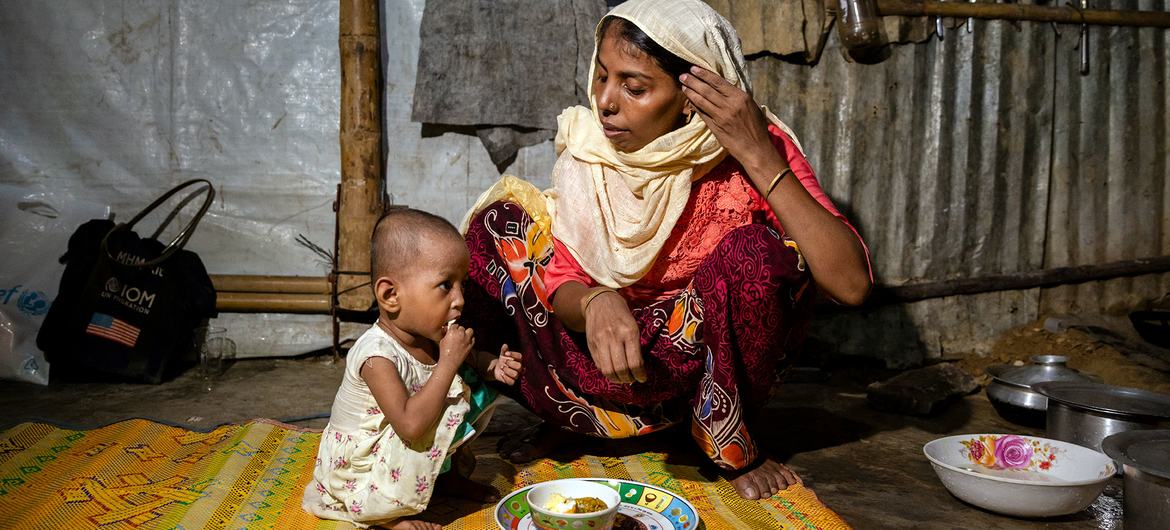
© UNICEF/Ilvy Njiokiktjien A two-year-old girl suffering from malnutrition is fed by her mother at their shelter in Cox’s Bazar, Bangladesh
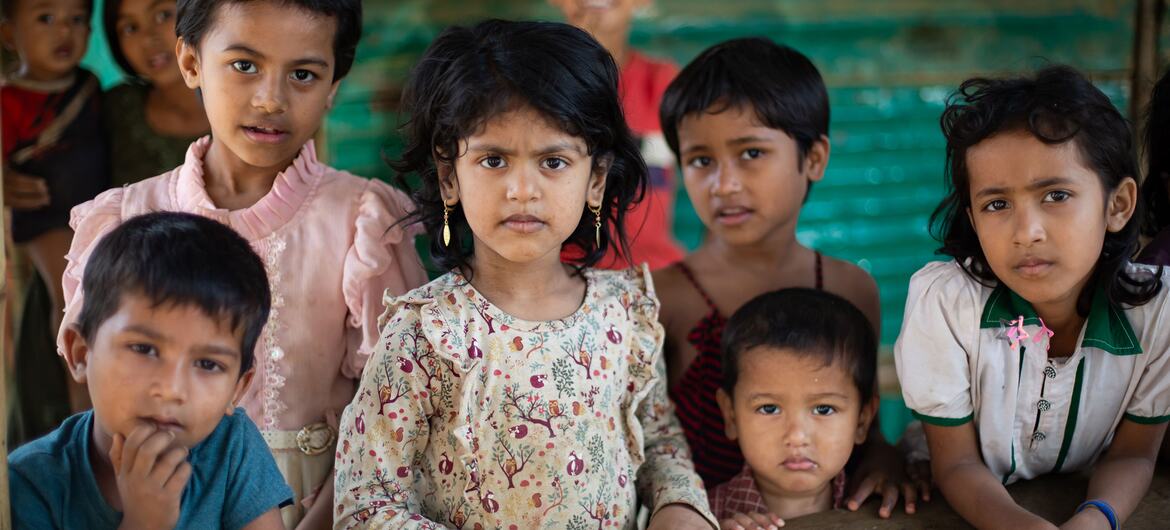
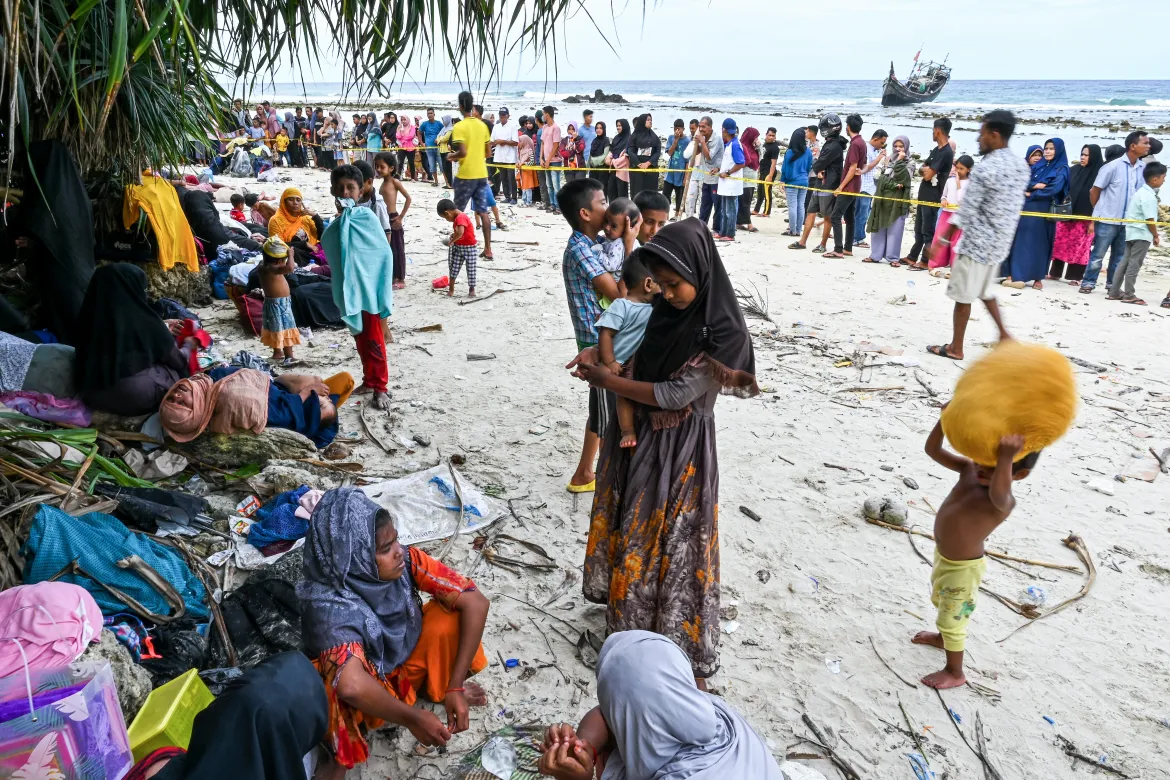
Nearly nine years after 750,000 Rohingya fled violence in Myanmar’s Rakhine State and crossed into Bangladesh, the international community’s attention and its funding are drifting elsewhere. UNHCR, the UN refugee agency, used a briefing in Geneva on Tuesday to sound the alarm: sharp reductions in humanitarian and development funding are placing essential services at risk for the 1.2 million Rohingya living in Bangladesh, most of them in camps around Cox’s Bazar.
The UN and its partners have launched a 2026 appeal for $710.5m to cover the most urgent needs of refugees and host communities. That figure is already 26% lower than last year’s request, reflecting what agencies describe as a hyper-prioritised response focused on the most critical needs. Food assistance, healthcare, education, and protection services all depend on continued donor support, yet significant gaps remain. Vulnerable groups, including women, girls, older people and those with disabilities, are hit hardest by shortfalls. Around 150,000 new arrivals who fled renewed violence in Rakhine State since early 2024 face blocked humanitarian access and funding shortfalls that leave communities without food, clean water, or healthcare.
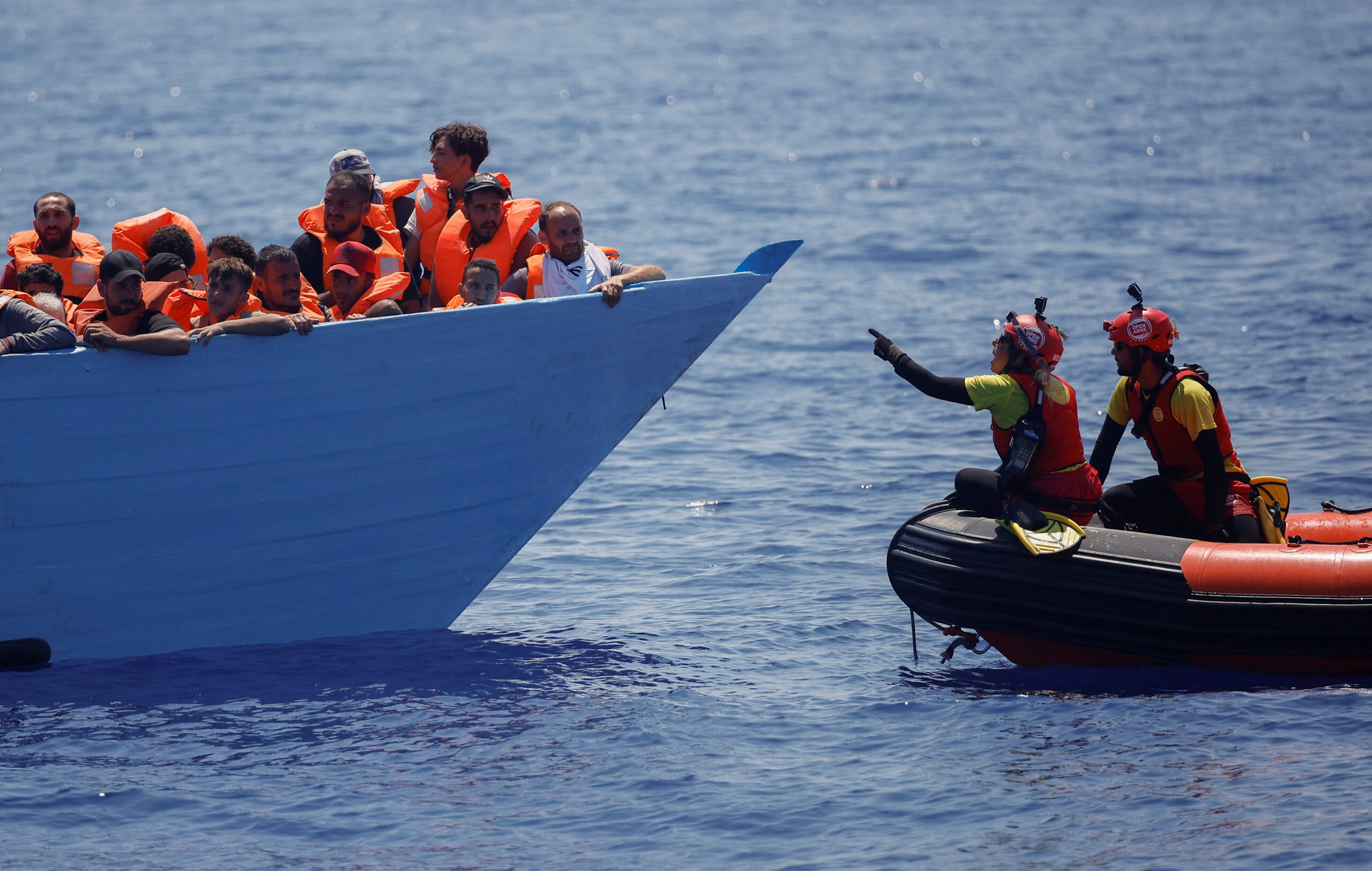
With conflict inside Myanmar showing no sign of abating and prospects for safe repatriation fading, more Rohingya are resorting to dangerous sea crossings in search of opportunities elsewhere in the region. UNHCR said 2025 was the deadliest year on record for such journeys, with nearly 900 refugees reported dead or missing in the Andaman Sea and Bay of Bengal.
“Until the conflict and violence stop, the international community must continue to stand in solidarity with refugees from Myanmar,” said UNHCR spokesperson Babar Baloch, renewing calls for humanitarian support and for conditions that would allow voluntary, safe and dignified return.
Source: UN News, 2 June 2026

Refugees Contribute to Their Host Communities. The World Must Do More to Support Them
This year’s World Refugee Day also marks the 75th anniversary of the 1951 Refugee Convention, adopted in the aftermath of the Second World War. The treaty enshrined the right of anyone...
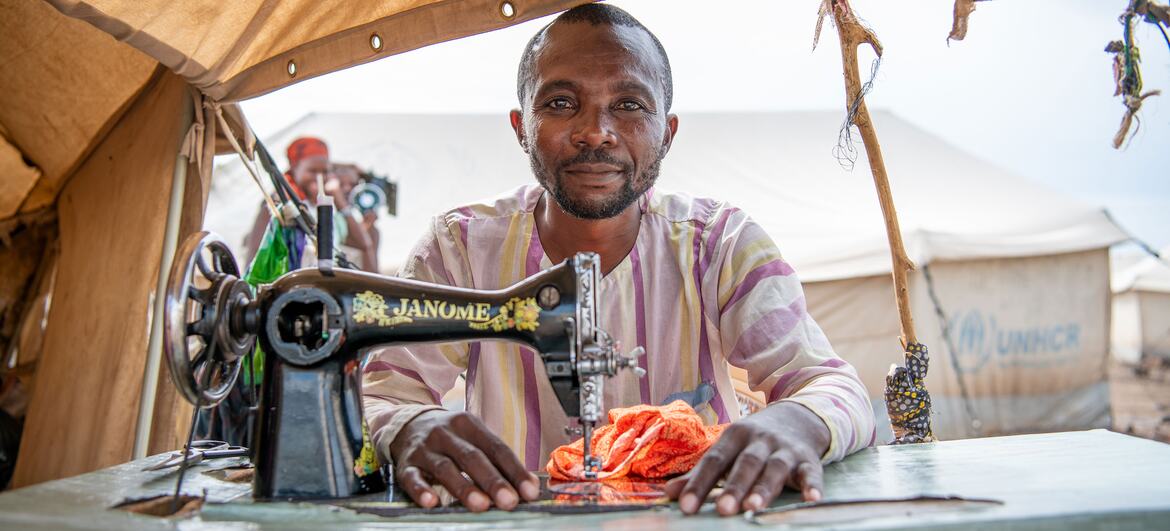
Refugees: The Resettlement Gap Grows Wider
The shortfall in resettlement places is driven by policy changes in destination countries, including pauses in admissions, more restrictive criteria, and growing backlogs in processing. Low- and...
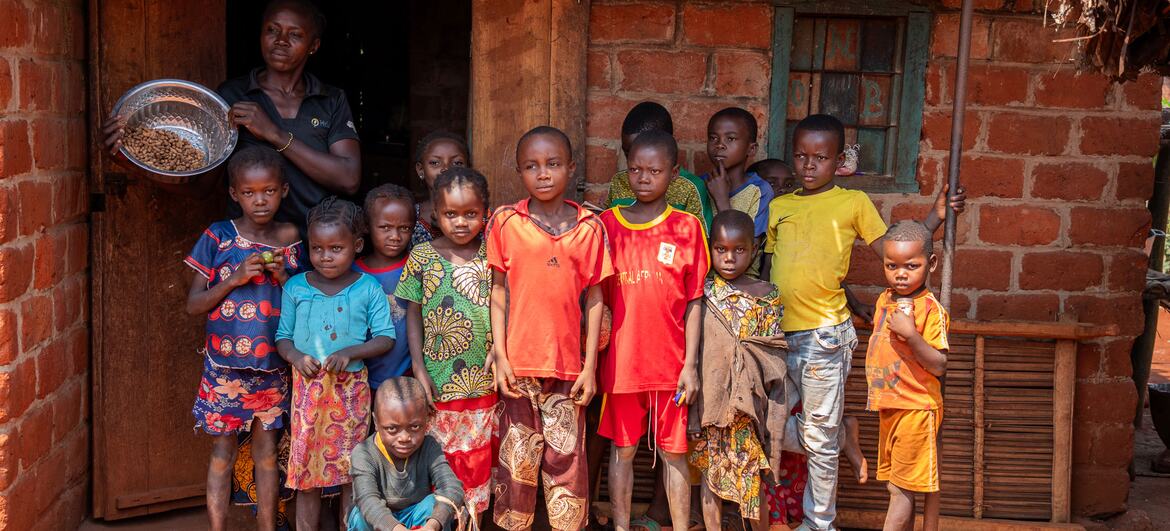
From Refugee to Reconciler in The Central African Republic
As a young woman in what she describes as a patriarchal context, she has faced resistance from elders and traditional leaders who question her authority. Rather than seeing her youth as a...





Our Network
Our Channels

© 2026 Al Jazeera Media Network. All rights reserved.