
From Refugee to Reconciler in The Central African Republic
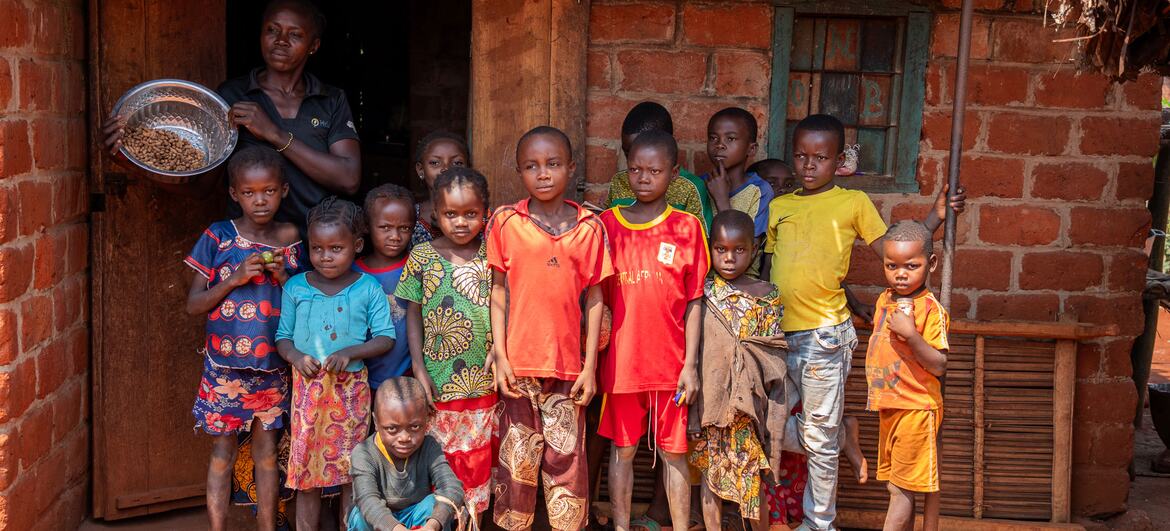
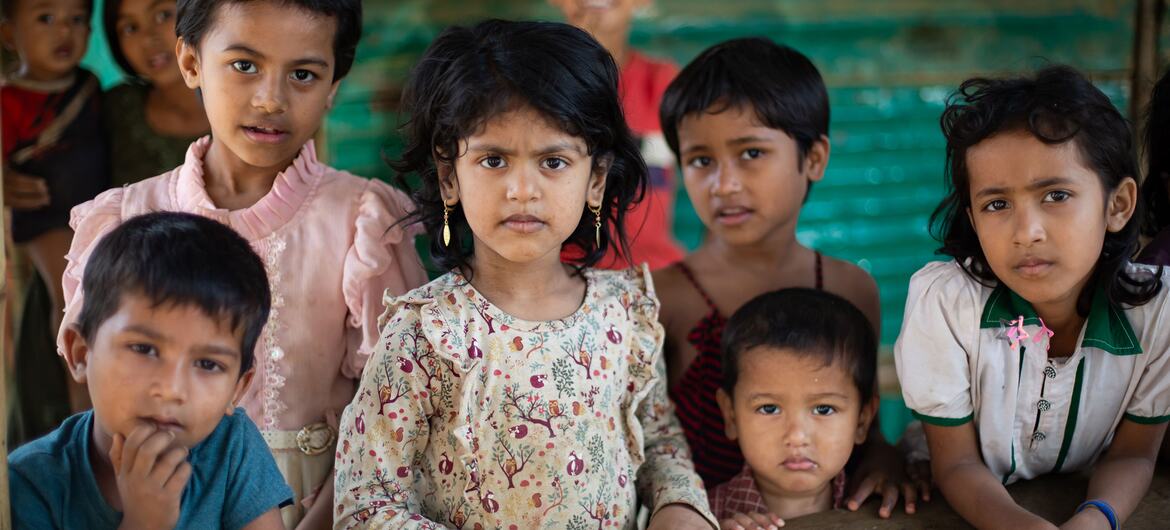
© WFP/Aurore Vinot/ The Central African Republic, one of the poorest countries in Africa has a history of conflict.
In a country marked by more than a decade of conflict, one young woman’s journey from displacement to leadership offers a glimpse of how peace can be rebuilt from the ground up.
A childhood interrupted by war
The Central African Republic, one of the poorest countries on the continent, has faced recurring cycles of conflict since 2013, when predominantly Muslim Seleka rebels seized power, prompting the rise of largely Christian anti Balaka militias. In Batangafo, a town in the northwest once known for its diversity, fear, mistrust, and displacement have become daily realities.
Nina Mireille Yankinon was among those caught up in the violence. Her family was forced to abandon their home and possessions and seek refuge in neighbouring Cameroon. That experience, she has said, shaped her lifelong commitment to peacebuilding and to protecting the most vulnerable, particularly women and children. Since returning to the country, she has founded a non-governmental organisation called Londo E Lekere, meaning let us rise up and build, which is supported by the UN Alliance of Civilizations and focuses on peacebuilding and women’s leadership.
Building bridges across a fractured society
Ethnic and religious tensions between Muslims and Christians have deepened since 2013, creating mistrust that makes genuine interreligious dialogue difficult. These divisions are compounded by generational and gender disparities that often exclude young people and women from community decision making. To address this, her organisation runs inclusive forums for dialogue, including radio programmes and school-based awareness campaigns, alongside conferences and debates promoting women as peace leaders.
Turning disadvantage into purpose
As a young woman in what she describes as a patriarchal context, she has faced resistance from elders and traditional leaders who question her authority. Rather than seeing her youth as a limitation, she views it as an asset, allowing her to connect with marginalised adolescents and to model a dynamic form of female leadership. Gender based violence has risen sharply since 2013, with a marked increase between 2021 and 2022, making women in her position frequent targets of stigma.
For her, education is both a professional focus and a personal mission, empowering people to engage in dialogue across ethnic, religious and gender divides and to understand their rights. Through her organisation she has distributed learning materials, trained teachers and worked with parents and local leaders to ensure programmes reflect community priorities. Her broader work has included establishing health centres, supporting local farmers, and documenting survivors’ stories through a community blog, all guided by values of peace, equality, and resilience.
Sources: UN News, feature by Charlotte Frantz, 14 June 2026.

Refugees Contribute to Their Host Communities. The World Must Do More to Support Them
This year’s World Refugee Day also marks the 75th anniversary of the 1951 Refugee Convention, adopted in the aftermath of the Second World War. The treaty enshrined the right of anyone...
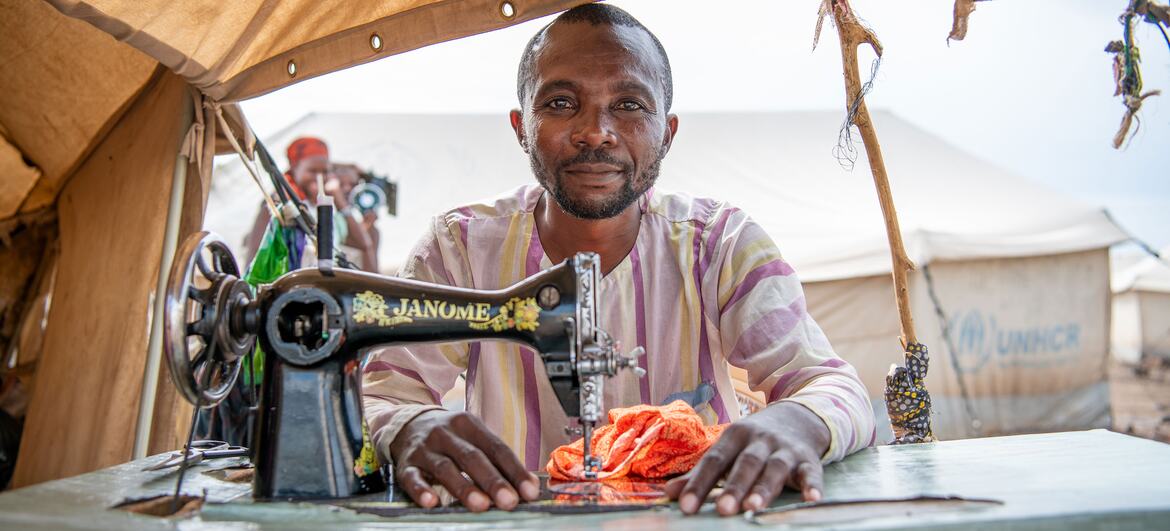
Refugees: The Resettlement Gap Grows Wider
The shortfall in resettlement places is driven by policy changes in destination countries, including pauses in admissions, more restrictive criteria, and growing backlogs in processing. Low- and...



Our Network
Our Channels

© 2026 Al Jazeera Media Network. All rights reserved.