


Deaths In US Immigration Custody: A Crisis of Accountability

© Unsplash/Jason Leung People protest against immigration policies in the US state of California.
Rising Toll, Shrinking Oversight
The United Nations High Commissioner for Human Rights has called on the United States to investigate all deaths in immigration detention and to establish stronger independent oversight of a system that, by the UN’s account, is expanding faster than it can be held accountable.
A Mounting Death Toll
Volker Türk, the UN rights chief, issued a formal statement on June 26th citing ICE data showing that 18 people died in immigration custody in the first five months of 2026, more than double the eight deaths recorded in the same period last year. An additional death on June 4th brought the year’s total to 19. In 2025, 33 people died in ICE custody, compared with 11 in 2024. The trajectory is steep and accelerating.
Five of the officially recorded deaths in 2026 were classified as suicides. Türk noted concerning allegations regarding the use of force in immigration detention facilities, though ICE has not acknowledged systemic problems. The lack of transparency surrounding the circumstances of deaths and the whereabouts of detainees during transfers compounds the difficulty of independent assessment.
Conditions And Capacity
ICE currently holds more than 60,000 people in immigration detention, with plans announced to expand that capacity to 90,000 by the end of the year. Türk described conditions in facilities as frequently inhuman, including inadequate healthcare and food, exposure to diseases and prolonged use of solitary confinement. He stated that prolonged or indefinite solitary confinement could amount to cruel, inhuman or degrading treatment under international human rights law.
Uncertainty about legal status, he added, contributes to significant psychological distress among detainees. The cumulative effect of these conditions raises serious questions, in his assessment, about whether some of the deaths in ICE custody could have been prevented.
Alternatives And Accountability
Türk urged the US government to prioritise alternatives to immigration detention, particularly for pregnant women and those with significant medical or mental health conditions. Children, he maintained, should never be subject to immigration detention, regardless of the immigration status of either the child or the child’s parents.
He called on ICE to ensure that detention facilities comply with international human rights standards: humane conditions, timely healthcare, family notification, an end to overcrowding and access to legal representation, consular assistance and interpretation services. He also stressed the role of the US Congress in overseeing detention conditions and associated public funding.
Beyond conditions and accountability, Türk denounced the continued dehumanisation and criminalisation of migrants and refugees in public discourse and policy. He expressed support for lawyers, journalists, faith organisations and civil society groups advocating on behalf of detainees. His concluding principle was unambiguous: no one should be returned to a place where they could face serious human rights violations or irreversible harm.
Sources: UN High Commissioner for Human Rights statement, June 26, 2026; ICE detention data, June 2026
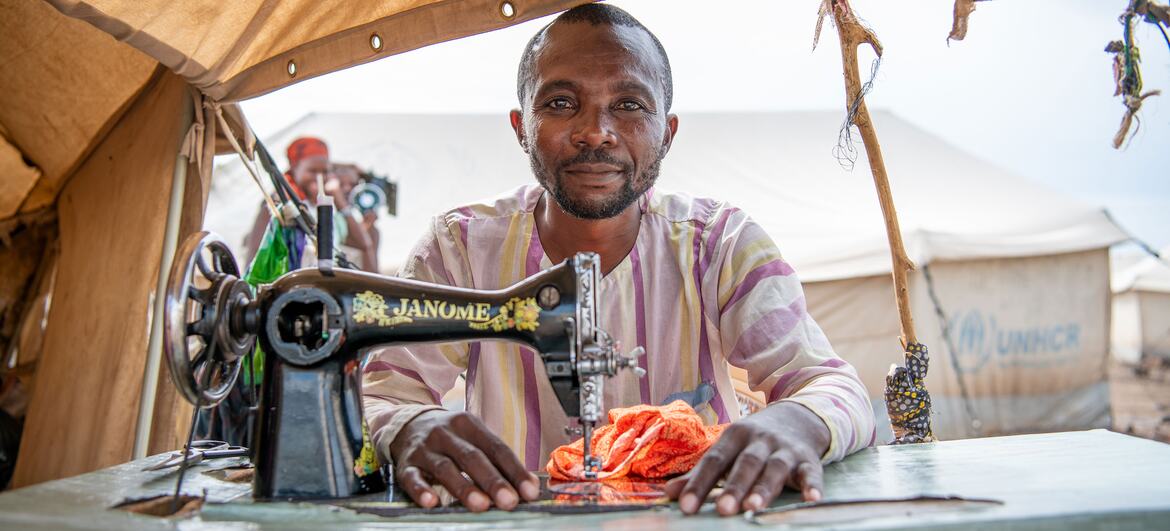
Refugees: The Resettlement Gap Grows Wider
The shortfall in resettlement places is driven by policy changes in destination countries, including pauses in admissions, more restrictive criteria, and growing backlogs in processing. Low- and...
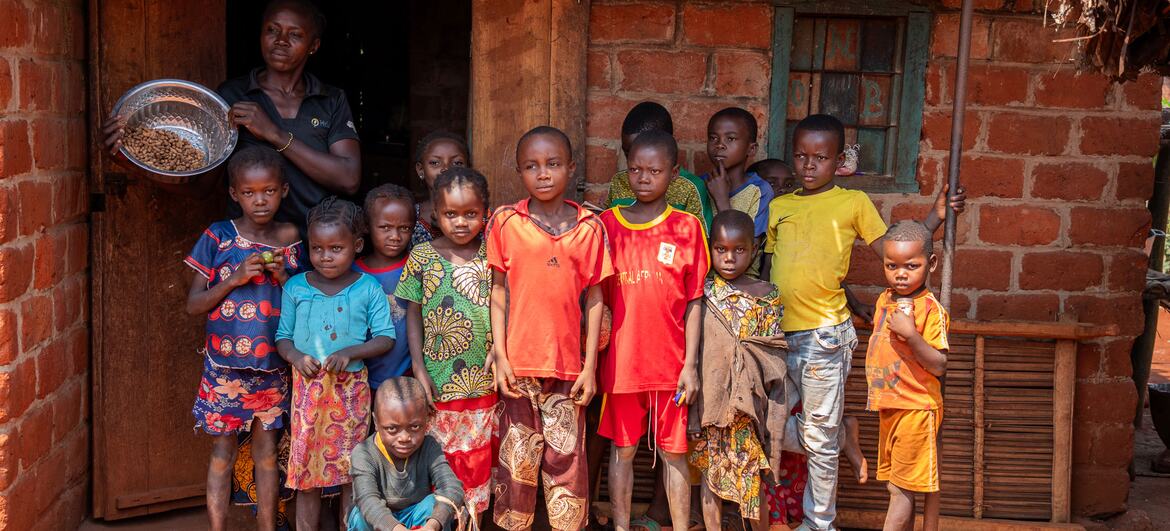
From Refugee to Reconciler in The Central African Republic
As a young woman in what she describes as a patriarchal context, she has faced resistance from elders and traditional leaders who question her authority. Rather than seeing her youth as a...









Our Network
Our Channels

© 2026 Al Jazeera Media Network. All rights reserved.