
Homes for Ukraine Scheme
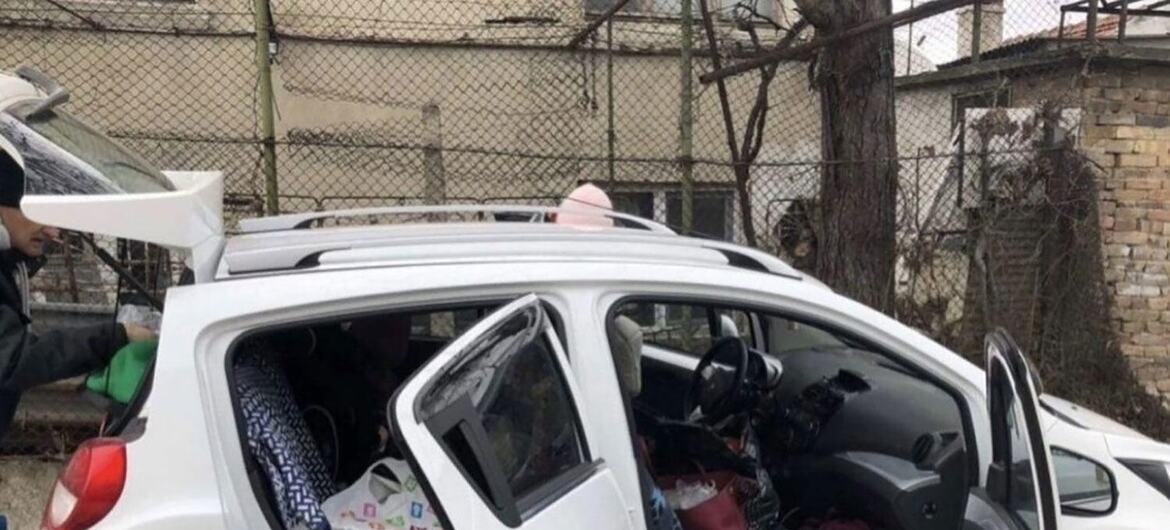
© Inna Soldatenko/ The small car that carried Inna, her two daughters, her parents and their few belongings across Europe.
New roots
A Ukrainian rheumatologist who fled bombs in Kharkiv is now practising medicine in London and helping other refugee health workers rebuild their careers.
On the morning of 24 February 2022, Dr Inna Soldatenko woke to explosions. The night before, she had finished work in Kharkiv, collected her daughter from school, cooked dinner and prepared a lecture for her students. By dawn, the life she had spent decades building was already being dismantled.
Three years later, Dr Soldatenko is a practising rheumatologist at a National Health Service hospital in London. She has also helped establish the Ukrainian Medical Charity, a national network supporting refugee doctors, nurses and health workers in accessing NHS employment, and her advocacy has shaped the NHS Refugee Employment Programme, which assists refugees from many backgrounds into roles across the UK health service.
Flight and arrival
When war broke out, Dr Soldatenko fled Kharkiv with her two daughters, her parents and her cat, carrying little more than a few documents and the belief they would return within days. The family drove for more than 26 hours through Ukraine, Moldova and Romania, sustained by the kindness of strangers sharing food and shelter along the route. “I still remember them,” she said of the volunteers who helped. “Like part of the family.”
She arrived in the UK in May 2022 through the Homes for Ukraine scheme, a community-led programme that allows people across the country to sponsor Ukrainians fleeing the war by offering accommodation and the chance to rebuild. She was one of more than 260,000 Ukrainians who have found safety in Britain since the invasion. Of that number, over 60,000 are now employed across different sectors of the economy.
The long road back to medicine
Like many refugee professionals, Dr Soldatenko faced structural barriers to returning to her field: language challenges, unfamiliar administrative systems, and the need to have her qualifications recognised. She began in an administrative role with the Lewisham and Greenwich NHS Trust in southeast London. Her colleagues helped her improve her English, built her confidence, and encouraged her to sit the exams required to practise medicine in the UK. “They believed in me much more than I believed in myself,” she said. She passed the required examinations and returned to rheumatology, providing direct patient care once more.
What stays with her, she says, is not the hardship of flight but the power of welcome encountered at each stage of her journey, from the volunteers in Romania to the nurses in southeast London. “When you are forced to flee, it is like your roots are cut,” she said. “The NHS and the people around me helped me grow new ones. That stability, that kindness, it changes everything, like the sunshine on your garden.”
Sources: UNHCR; UK for UNHCR; NHS; Ukrainian Medical Charity; UN News, 23 May 2026.

Refugees Contribute to Their Host Communities. The World Must Do More to Support Them
This year’s World Refugee Day also marks the 75th anniversary of the 1951 Refugee Convention, adopted in the aftermath of the Second World War. The treaty enshrined the right of anyone...
Refugees: The Resettlement Gap Grows Wider
The shortfall in resettlement places is driven by policy changes in destination countries, including pauses in admissions, more restrictive criteria, and growing backlogs in processing. Low- and...
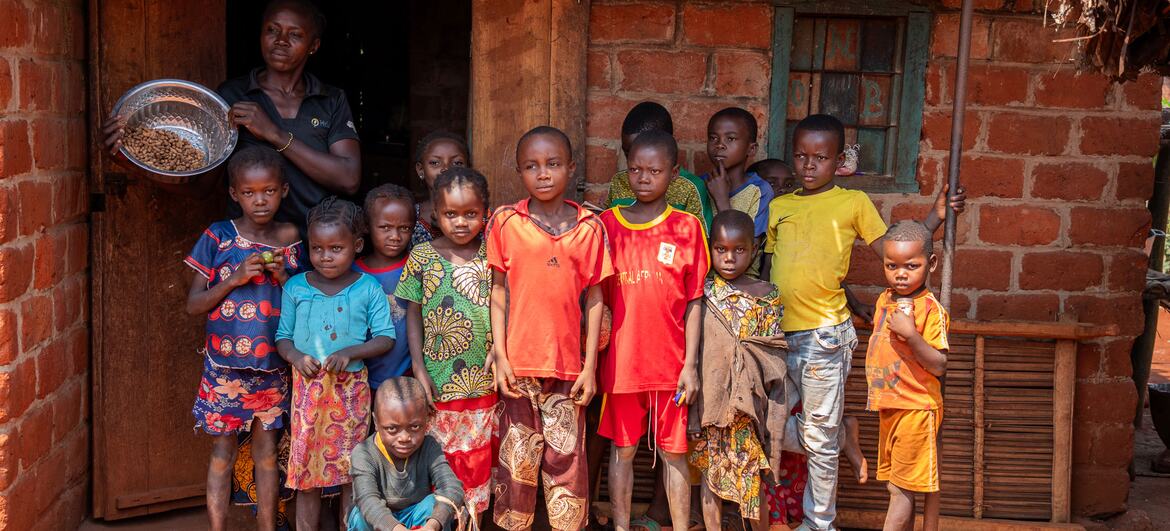
From Refugee to Reconciler in The Central African Republic
As a young woman in what she describes as a patriarchal context, she has faced resistance from elders and traditional leaders who question her authority. Rather than seeing her youth as a...



Our Network
Our Channels

© 2026 Al Jazeera Media Network. All rights reserved.