

Cambodia’s Scam Crackdown and the Victims It Left Behind
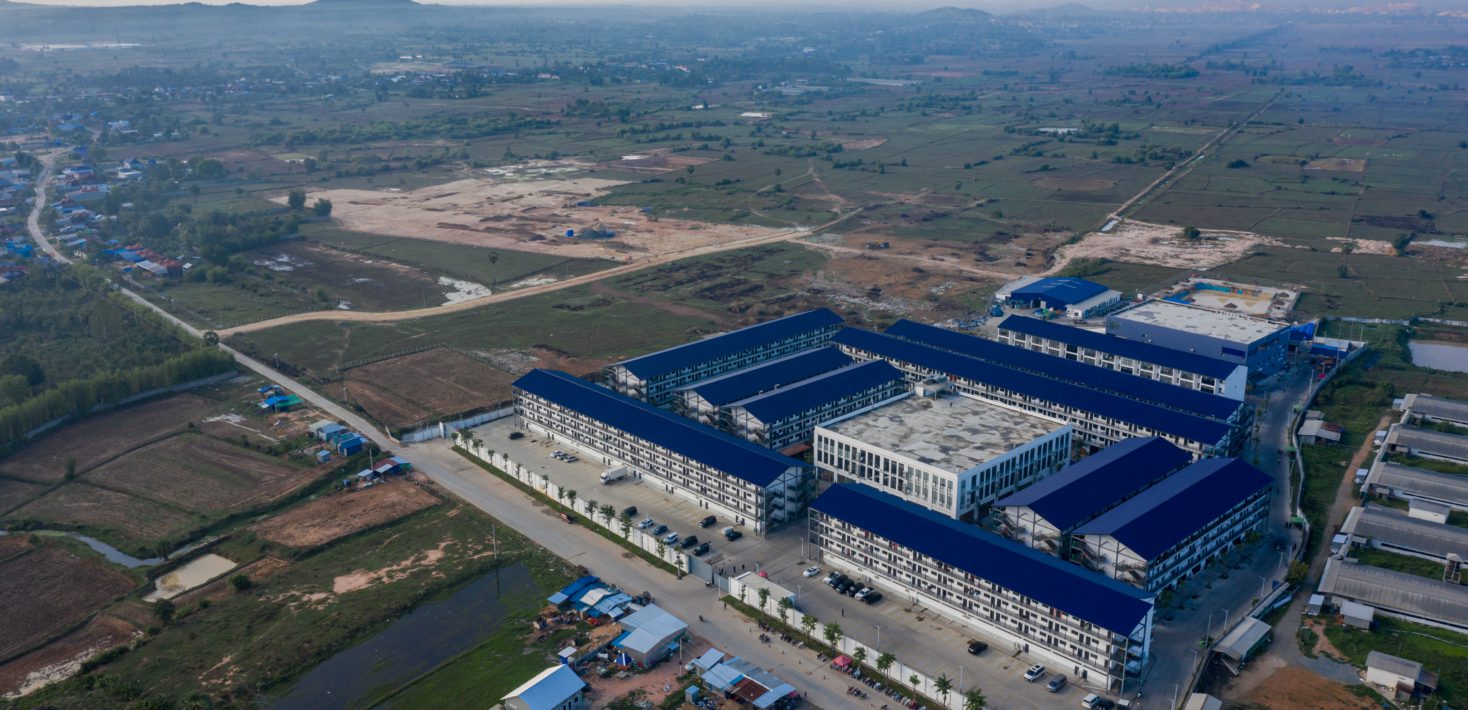
© Amnesty International, 2025.
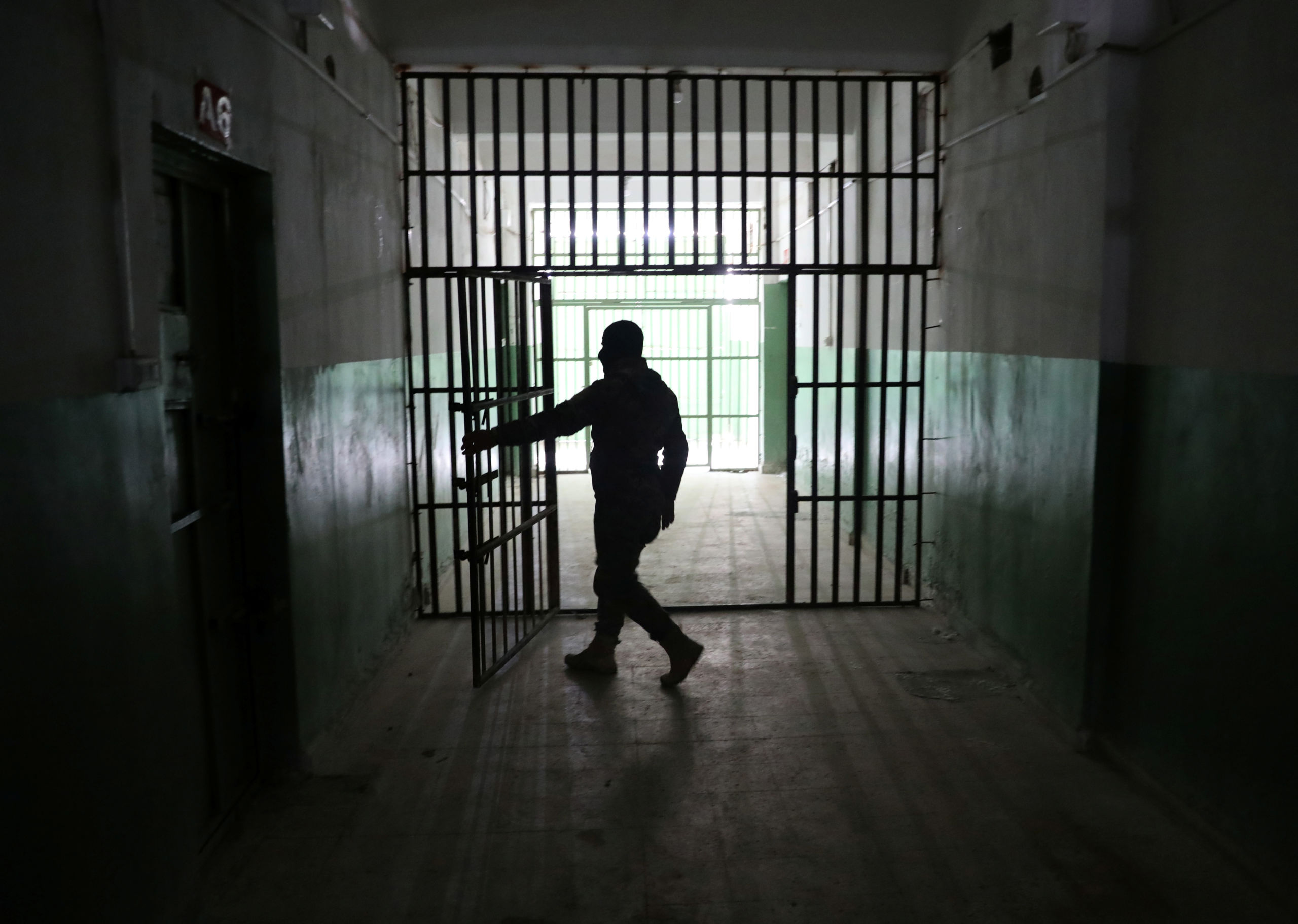
Winta was sixteen years old when a man offered her and her sister jobs on a cruise ship. Her mother had recently died, and the family needed money. Instead of a ship, they were taken by boat to Sri Lanka, where they were told they would be sold. What followed was seven years of trafficking through Myanmar, Laos, and finally Cambodia, where she ended up in a fortified compound run by an organised criminal network and staffed by armed guards. When Cambodia launched its largest-ever crackdown on such operations in July 2025, Winta’s managers loaded their captives into a car, telling them police were on their way, and drove across the entire country to a new compound. Military-plated vehicles provided an escort. She was handcuffed to a chair, beaten, and held in a dark room for ten days before being abandoned at night on the outskirts of Poipet. When police arrived, they threatened to return her to the compound rather than offer assistance.
Winta is not a name but a pseudonym. She is one of 73 survivors from 16 countries interviewed by Amnesty International for a report, published in June 2026, that delivers a damning verdict on the Cambodian government’s highly publicised anti-scam offensive.
The crackdown in numbers
In July 2025, Prime Minister Hun Manet issued a nine-point order directing law enforcement, provincial authorities, the courts, and the national gambling regulator to eliminate what he himself called a “black economy” destroying the country’s legitimate one. By April 2026, the government claimed to have shut more than 250 scam centres, opened criminal cases against over 1,000 suspects, and deported more than 13,000 foreign nationals. Senior figures, including Chen Zhi, the chairman of Prince Group, and Ly Kuong, linked by British media to several compounds, were arrested.
Amnesty International’s researchers, who visited 75 of the 86 compounds they had by then identified across the country, found a very different picture. Evidence of state intervention was found at only 24 of those 86 sites, representing roughly a quarter of the total. Even where police did appear, the results were frequently inadequate: in at least three documented cases, human rights abuses continued after publicised raids. Victims described managers being warned of police arrivals in advance, enabling swift relocations. In one compound in Prey Veng province, survivors told researchers that police came regularly to remove bodies and drink coffee with managers, yet made no arrests throughout the crackdown period.
Slavery, rape, and impunity
The 73 survivors Amnesty International interviewed came from Bangladesh, Brazil, China, Colombia, Ecuador, Eritrea, Ethiopia, Ghana, Indonesia, Kenya, Liberia, Madagascar, Morocco, Niger, Uganda, and Venezuela. All had been recruited through fraudulent job offers. All were subjected to forced labour, deprivation of liberty, and threats of violence amounting, in many cases, to enslavement. Every one reported witnessing or experiencing torture or other serious ill-treatment.
Six women described rape by managers or team leaders operating in conditions so coercive that all consent was negated. Two became pregnant as a result. One Brazilian survivor, referred to as Cecilia, described how a compound manager invited a group of successful scammers to assault her as a reward. “It was like a prize for doing good work,” she said. “He said I was like a present.”
Despite all this, not one of the 73 survivors was recognised by Cambodian authorities as a victim of human trafficking, though all met the internationally agreed legal definition under the Palermo Protocol. Many were instead detained in overcrowded immigration centres, charged visa overstay fees, and in some cases threatened with arrest or return to the compounds from which they had fled. Several took on debt to pay their way out of the country.
A system enabling abuse
Amnesty’s report identifies a structural failure extending beyond operational shortcomings. In December 2025 and January 2026, at the height of the crackdown, Cambodia’s Commercial Gambling Management Commission approved casino plans for facilities that Amnesty’s investigators had linked to 16 known scamming compounds. Journalists attempting to cover the crisis faced arrest and intimidation; four were detained during the crackdown period alone. The Voice of Democracy media outlet, which had produced more than 100 articles on the compounds, was shuttered by the government in 2023.
“The Cambodian government’s total lack of transparency makes it impossible to verify their claims and undermines trust in the entire process,” said Montse Ferrer, Amnesty International’s Co-Regional Director. “The unavoidable conclusion is that many of the people behind the most abusive compounds have not been brought to justice.”
International pressure, Amnesty argues, was probably the primary driver in prompting the crackdown. That pressure, the organisation urges, must now be redoubled. The task, it concludes, is nowhere near complete.
Sources: Amnesty International, “Falling Through the Cracks: Cambodia’s ‘Crackdown’ on Scamming Compounds and the Victims It Has Failed” (Index: ASA 23/1093/2026), June 2026. Interviews conducted between July 2025 and April 2026.

Japan Should Not Ignore India’s Authoritarian Turn
Japan should not repeat the mistakes of its China policy. After the Tiananmen massacre of 1989, Japan led the way in re engaging a shunned Chinese government. The West, too, bet on engagement...
From AI To ‘Killer Robots’: UN Chief Issues Urgent Governance Call
Guterres proposed an AI Child Safety Pledge under which developers would have to prove their systems are safe for children, subject to independent oversight; commit to zero tolerance for the...








Our Network
Our Channels

© 2026 Al Jazeera Media Network. All rights reserved.