
The UN Charter At 81: Promise and Peril
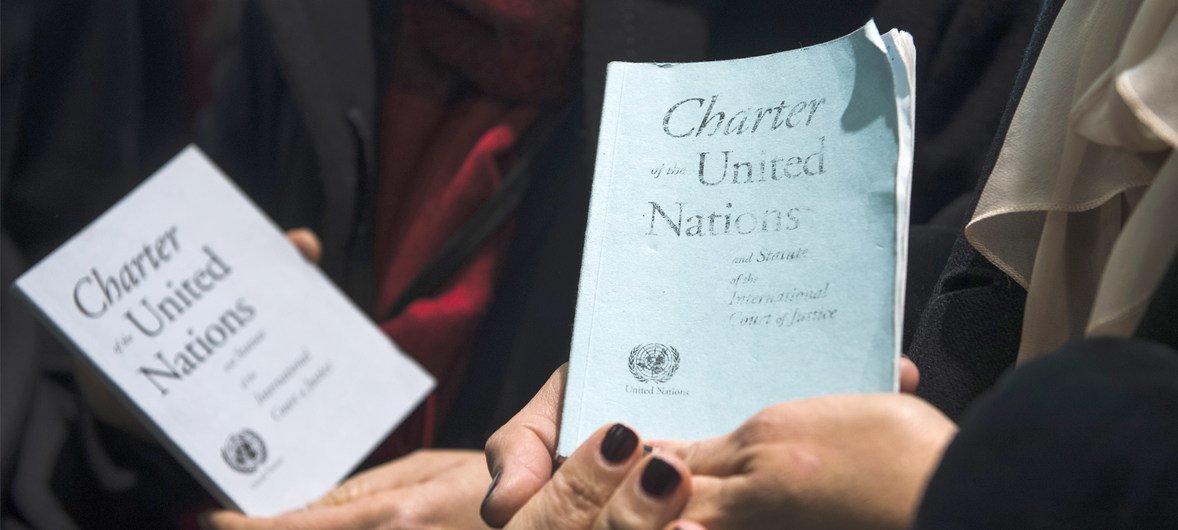
UN Photo/Amanda Voisard/ The principles of the UN Charter are the foundation of the Organization’s work—guiding its mission to promote peace, development, and human rights for all.
Better Together, But Barely Holding
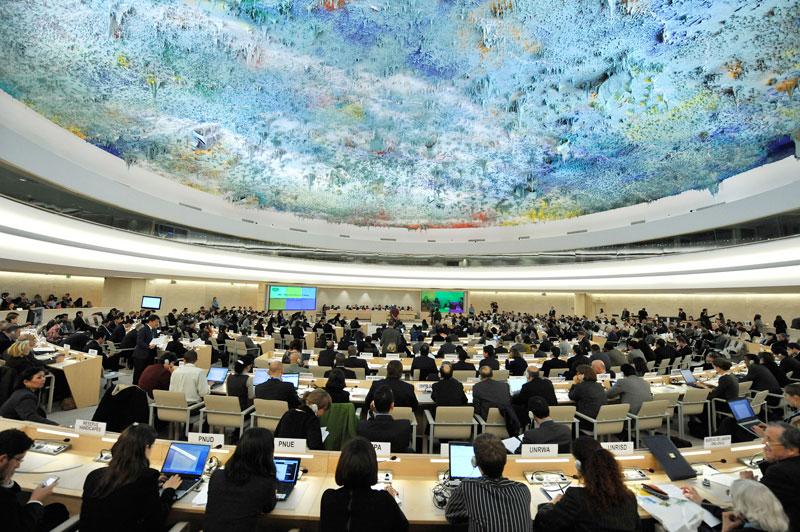
On June 26th, the United Nations marked the 81st anniversary of its founding document with a General Assembly ceremony whose theme, Better Together: One Charter, One Future, carried unmistakable urgency. Secretary-General António Guterres and General Assembly President Annalena Baerbock used the occasion to defend multilateralism at a moment when its credibility is under serious strain.
What The Charter Was
Signed on June 26th, 1945, in the wake of a war that killed tens of millions, the UN Charter was an attempt to institutionalise the lessons of catastrophe. It codified the major principles of international relations: the maintenance of peace and security, the affirmation of fundamental human rights, the conditions for inter-state cooperation and the promotion of social progress. For those who drafted it, it was not merely a legal instrument but a civilisational wager on whether humanity could choose cooperation over conflict.
Guterres framed the charter in precisely those terms. It was, he said, a promise to the world that humanity can choose cooperation over chaos, law over lawlessness, dignity over domination, and hope over fear. The promise, he made clear, is now under immense strain. Wars of territorial expansion, the targeting of civilians, broken ceasefires and the selective enforcement of international law are all symptoms of a system under pressure.
Accomplishments And Shortcomings
Neither speaker was content to offer uncritical celebration. Both acknowledged real and documented failures. Ms Baerbock listed the UN’s inability to prevent conflicts in Sudan, Ukraine, Gaza and Lebanon as evidence that the institution must be reformed. Yet both argued, against a sceptical mood in parts of the international community, that the answer to the UN’s failures is not its abandonment but its improvement.
Ms Baerbock offered a catalogue of what multilateralism has actually achieved: UNICEF immunisation campaigns that have saved more than 150 million children’s lives, decades of peacekeeping operations, expanded access to education and healthcare, and humanitarian assistance delivered in the most difficult environments on earth. The UN has never been perfect, Guterres acknowledged, but it is irreplaceable.
His most pointed remark was directed at those who treat the Charter as a menu from which principles may be selectively chosen. Sovereignty, international law and human rights are not separable options, he argued. They form a single normative architecture, and states that invoke one while ignoring another are not upholding the Charter; they are undermining it.
Reform, Not Retreat
The UN80 reform initiative, which marks the organisation’s approaching 80th birthday as an occasion for institutional restructuring, was cited by Ms Baerbock as an opportunity to make the UN more agile and efficient. Mr Guterres has framed reform as essential to preserving the institution’s legitimacy and effectiveness.
What neither speaker could fully answer is the harder question: how to make reform happen in a Security Council paralysed by great-power rivalry, and how to restore faith in multilateralism among governments that have concluded, rightly or wrongly, that the system does not serve their interests. The Charter’s anniversary is a useful occasion for recommitment. Whether recommitment translates into changed behaviour is the test that matters.
Sources: UN News, June 26, 2026; General Assembly commemoration of UN Charter Day, June 26, 2026

Japan Should Not Ignore India’s Authoritarian Turn
Japan should not repeat the mistakes of its China policy. After the Tiananmen massacre of 1989, Japan led the way in re engaging a shunned Chinese government. The West, too, bet on engagement...
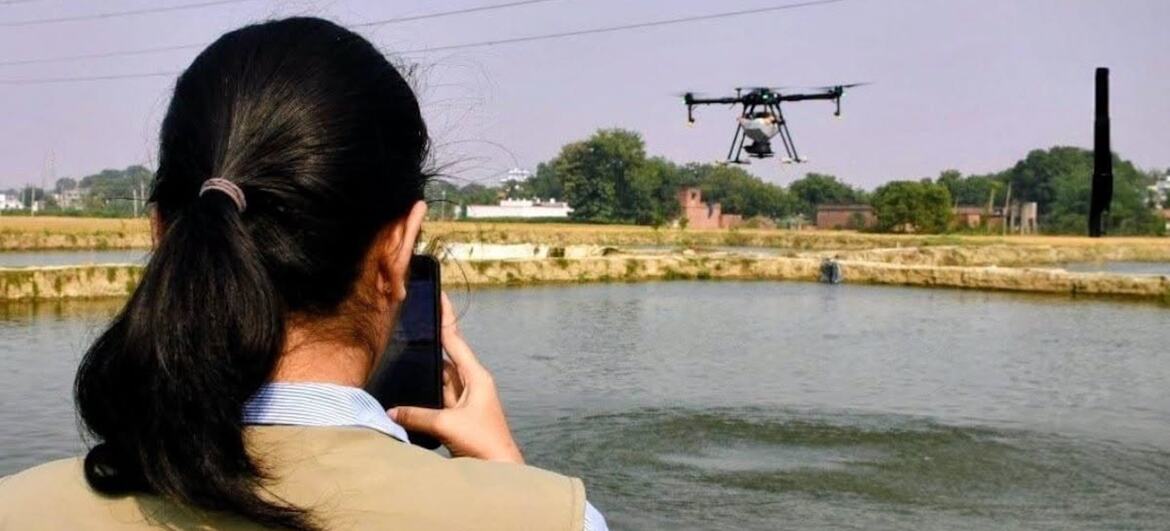
From AI To ‘Killer Robots’: UN Chief Issues Urgent Governance Call
Guterres proposed an AI Child Safety Pledge under which developers would have to prove their systems are safe for children, subject to independent oversight; commit to zero tolerance for the...








Our Network
Our Channels

© 2026 Al Jazeera Media Network. All rights reserved.