
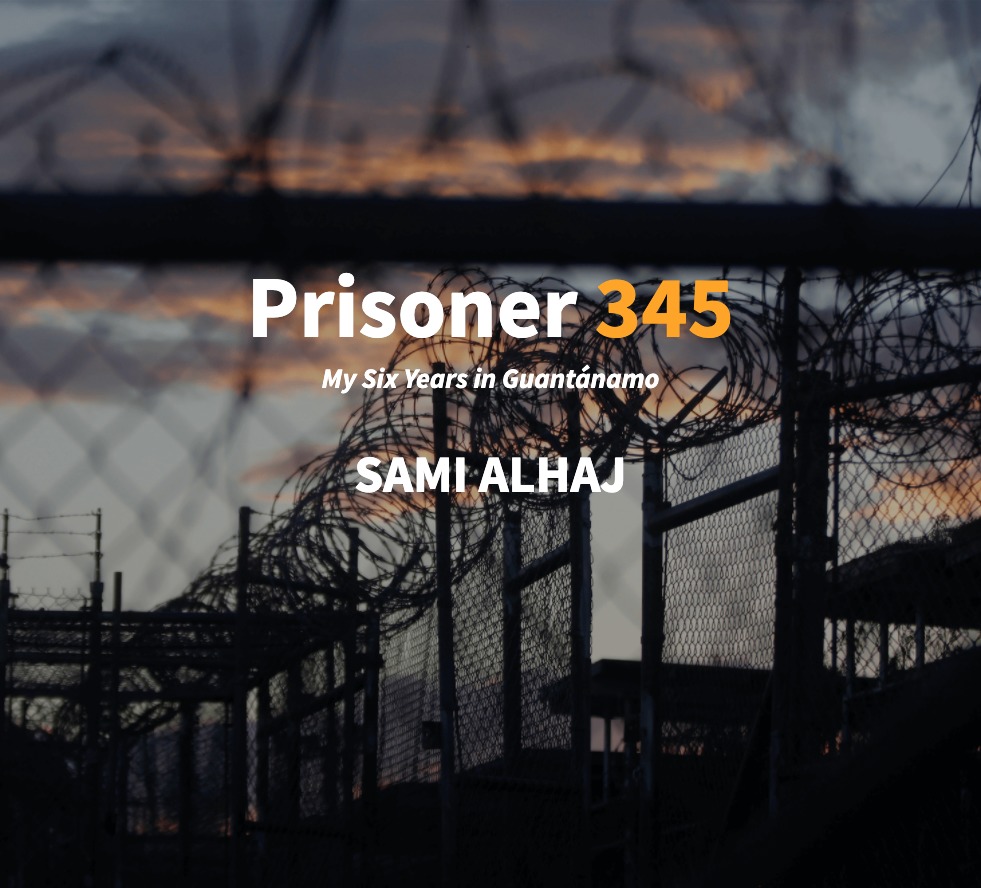

A Detention Centre That Should Not Exist

Protest at the Dilley immigration detention center | Reuters Connect
The last migrant family detention facility in the United States stands accused of systemic cruelty. The case for closing it is overwhelming.
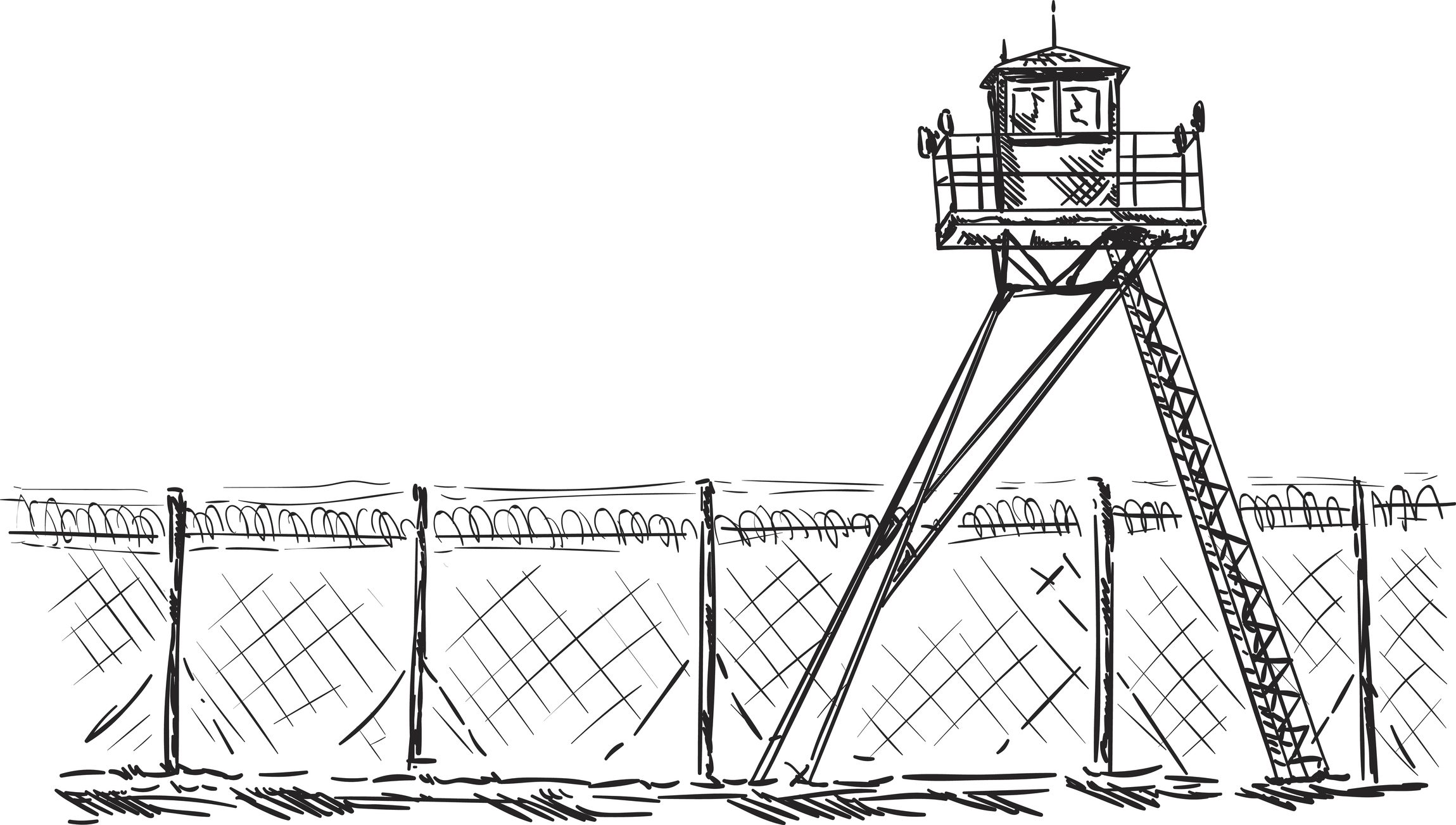
In Dilley, a small town in south Texas, sits the South Texas Family Residential Center, the only remaining migrant family detention facility in the United States. Known simply as Dilley, the centre has become a symbol of what critics describe as the cruelty embedded in America’s immigration detention system. Amnesty International is calling for its immediate closure and for a permanent end to the detention of migrant children and families on American soil.
The accounts emerging from inside are grim. Families report prolonged incarceration without due process, denial of adequate medical care and insufficient access to clean drinking water. Infants and young children have experienced alarming weight loss. Families are frequently separated while in custody. Children are denied basic opportunities for play. Taken together, the picture is not of administrative imperfection but of a facility whose conditions cause measurable harm to some of the most vulnerable people in the immigration system.
Children as a policy instrument
The detention of children in immigration facilities has long been contested in American law and in international human rights standards. Holding minors, particularly alongside or separated from their parents, in conditions that deprive them of adequate nutrition, healthcare and the ordinary experience of childhood is difficult to square with any recognised framework of child welfare. That the United States, which presents itself as a defender of human rights abroad, continues to operate such a facility makes the contradiction sharper still.
Dilley has the capacity to hold large numbers of families and has cycled through periods of expansion and contraction depending on the political priorities of successive administrations. Its persistence reflects a broader political choice to treat detention as a cornerstone of immigration enforcement, regardless of the human cost to those inside.
The demand is simple: shut it down, and do not replace it.
Sources: Amnesty International; South Texas Family Residential Center detainee accounts; US immigration detention records.

Refugees Contribute to Their Host Communities. The World Must Do More to Support Them
This year’s World Refugee Day also marks the 75th anniversary of the 1951 Refugee Convention, adopted in the aftermath of the Second World War. The treaty enshrined the right of anyone...
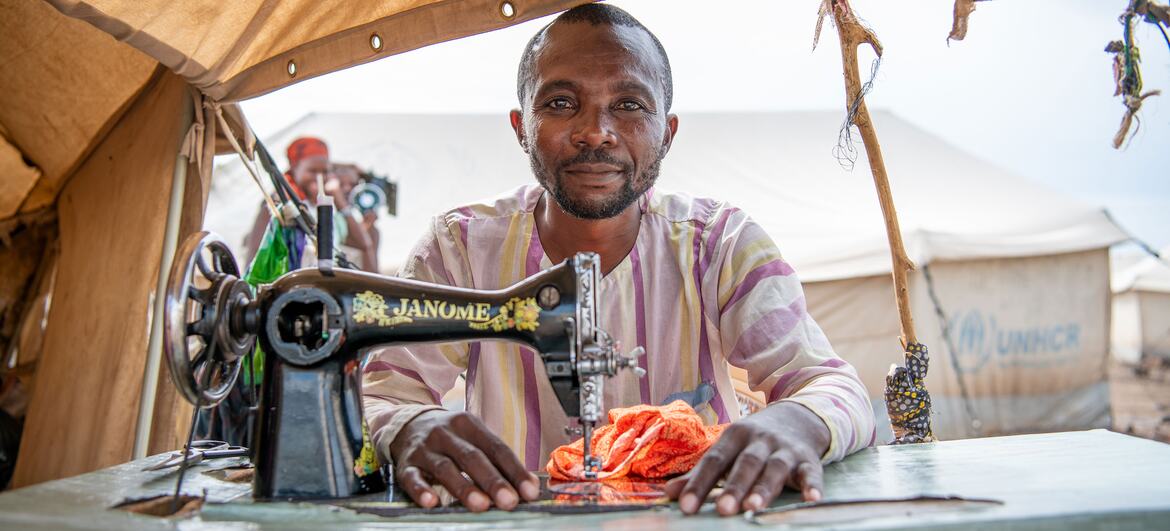
Refugees: The Resettlement Gap Grows Wider
The shortfall in resettlement places is driven by policy changes in destination countries, including pauses in admissions, more restrictive criteria, and growing backlogs in processing. Low- and...
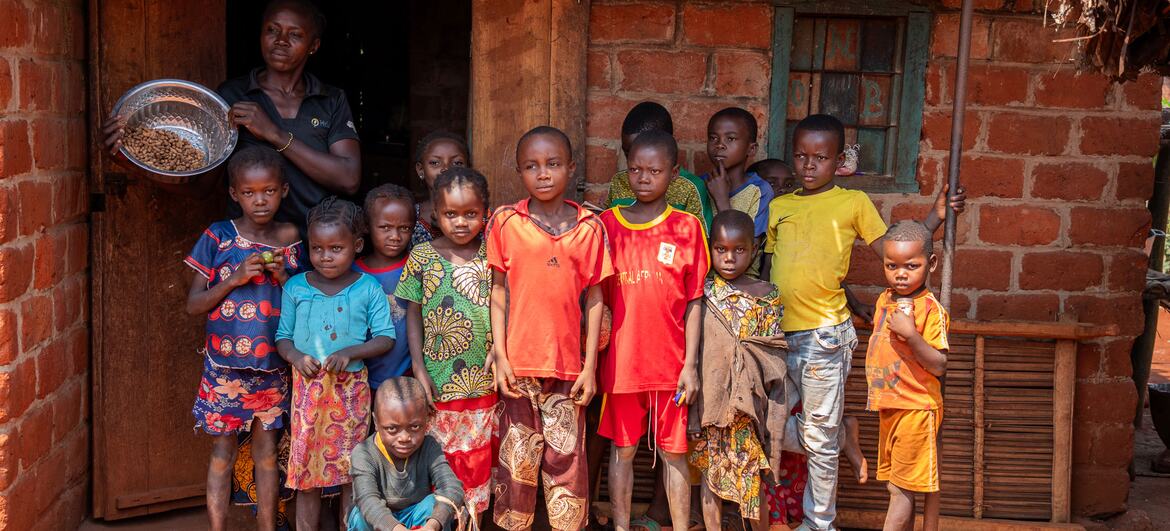
From Refugee to Reconciler in The Central African Republic
As a young woman in what she describes as a patriarchal context, she has faced resistance from elders and traditional leaders who question her authority. Rather than seeing her youth as a...







Our Network
Our Channels

© 2026 Al Jazeera Media Network. All rights reserved.