

Sudan, Lebanon, and Women in Diplomacy
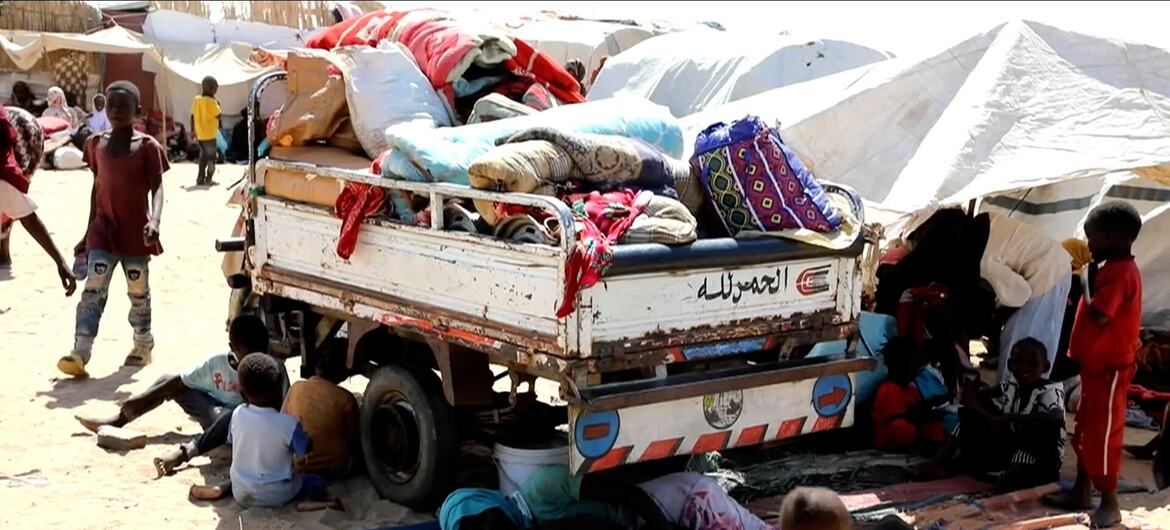
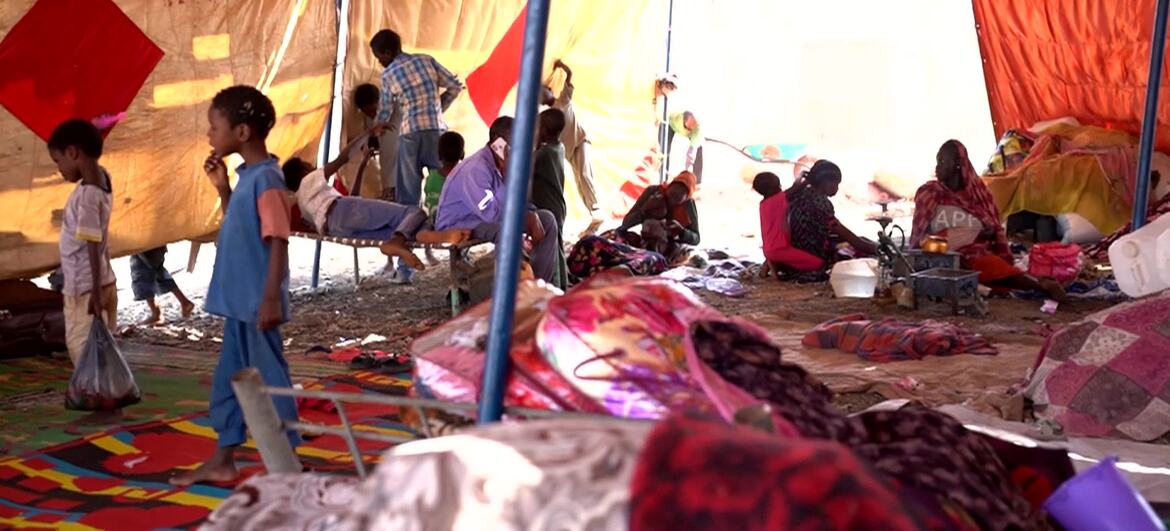
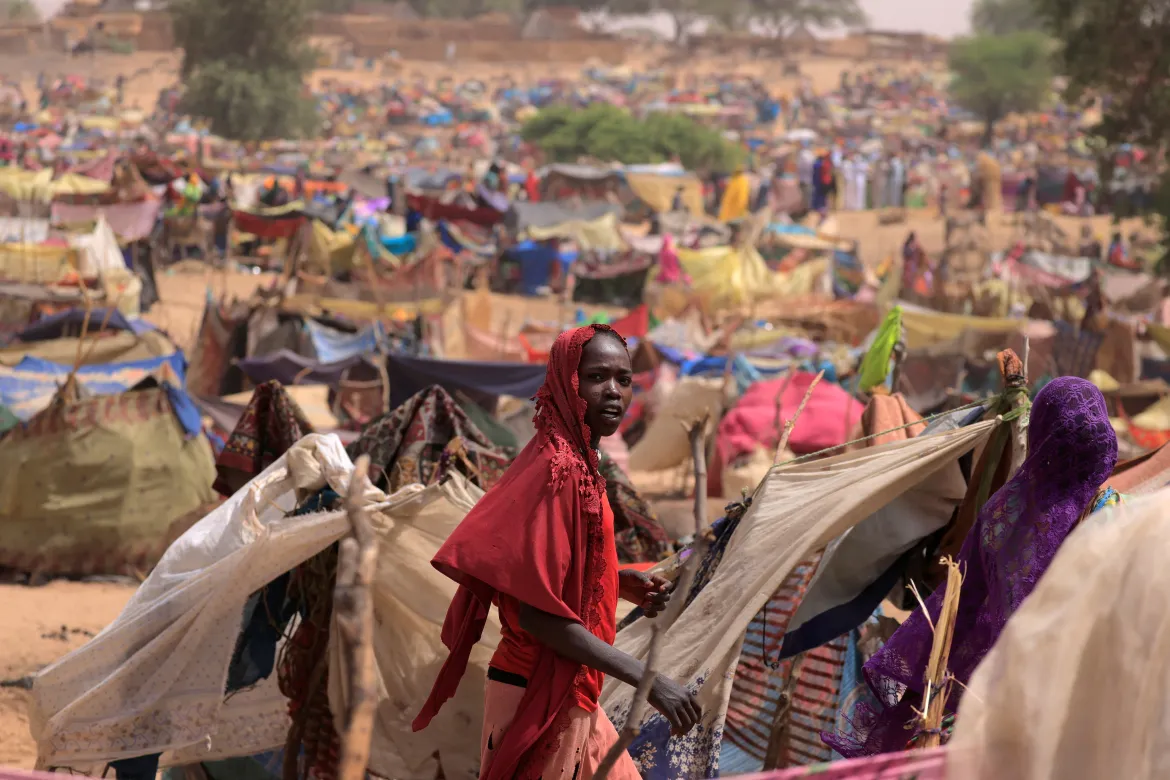
UNFPA Displaced families in Goz Al Salam Camp, White Nile State, Sudan.
Civilians in El Obeid face mounting peril as Sudan’s war grinds on, displaced Lebanese families navigate a minefield of returns, and the United Nations marks a day for women rarely seen at the top table of global affairs.
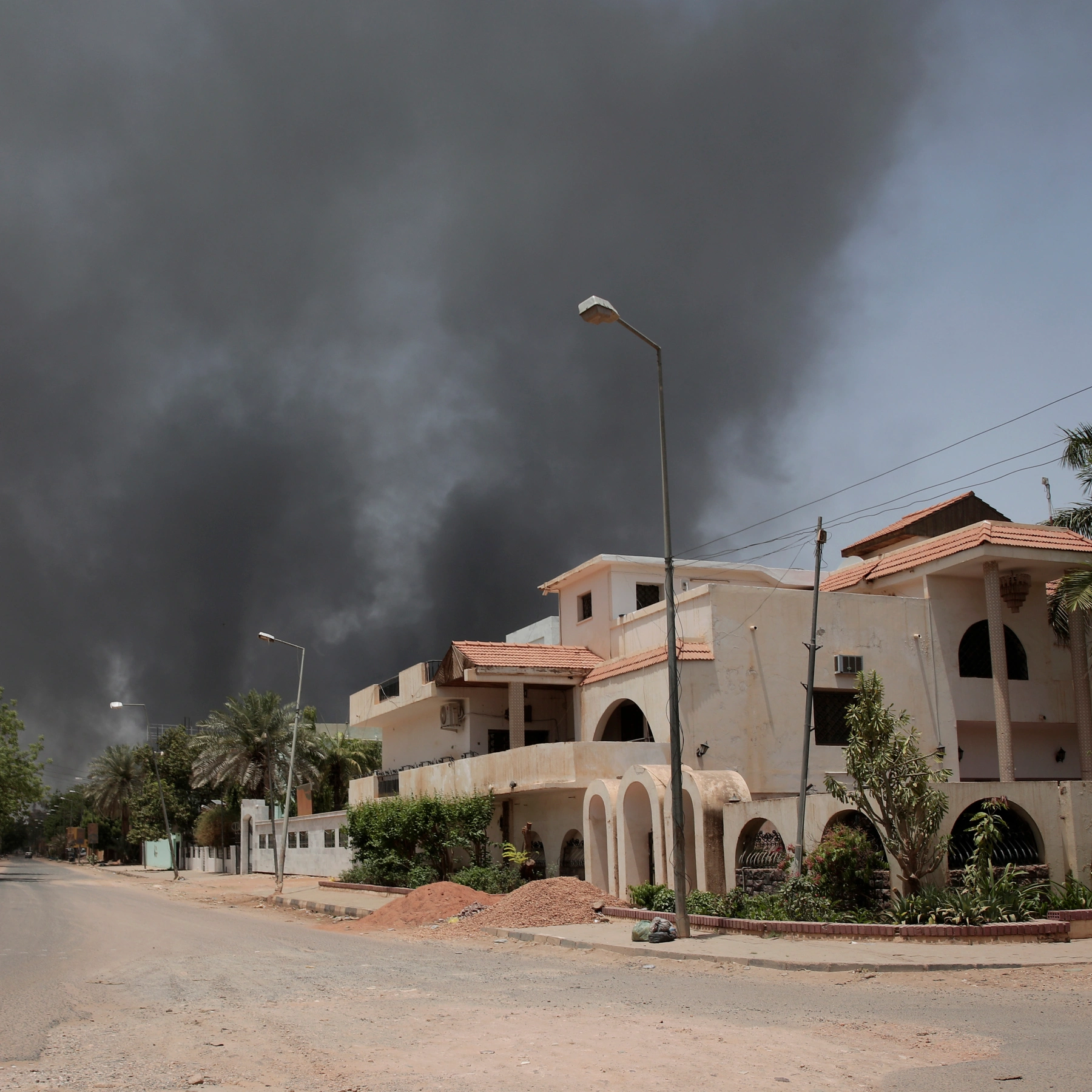
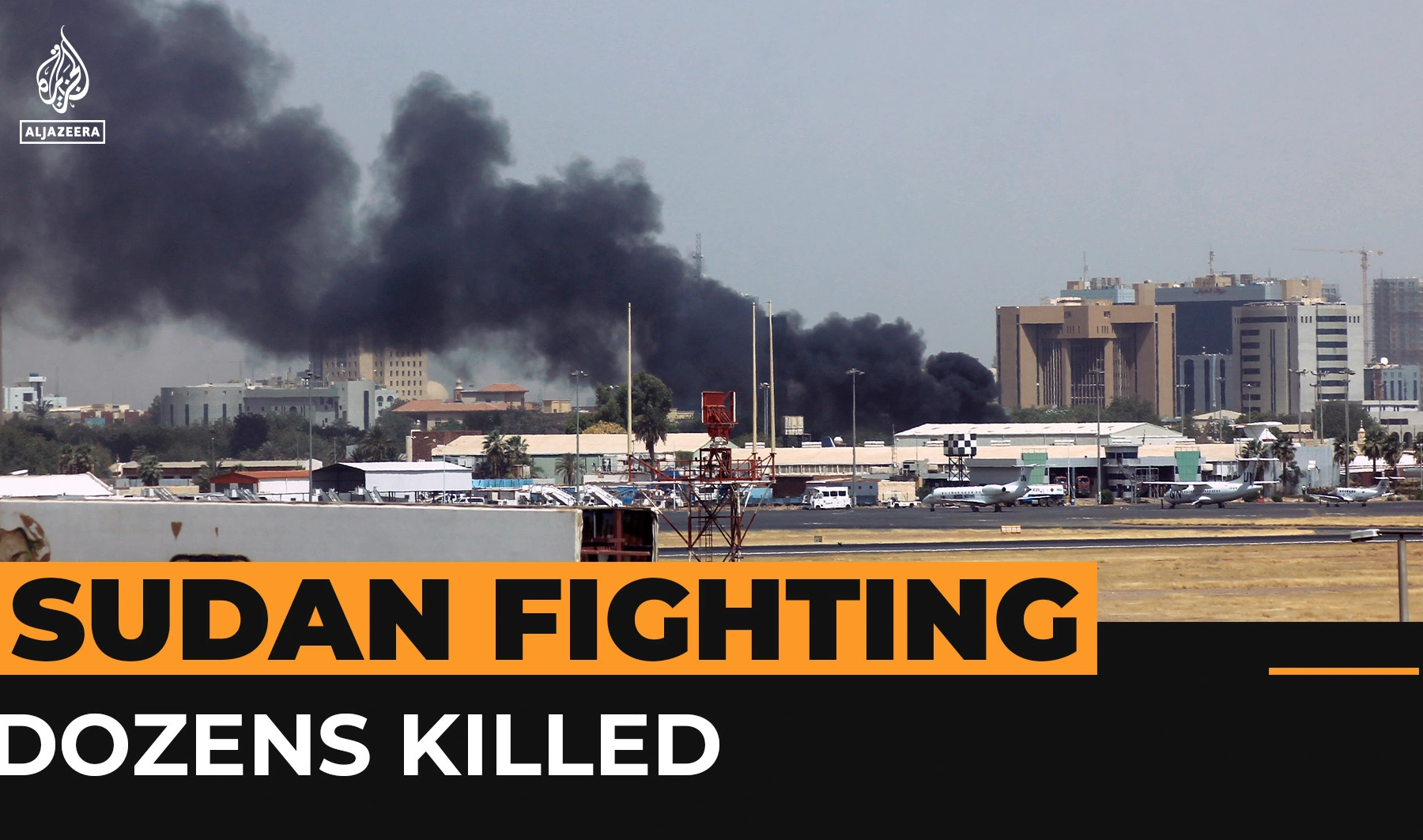
In the Sudanese city of El Obeid, the capital of North Kordofan state, the war between the Rapid Support Forces (RSF) and the Sudanese Armed Forces (SAF) has entered another dangerous phase. Senior United Nations officials, including the Secretary-General and the UN human rights chief, have warned that an RSF assault on the city may be imminent. On Tuesday, a drone strike hit an empty fuel tanker parked near a school, injuring students and striking close to the offices of several UN aid partners. The World Health Organisation is coordinating the emergency response.
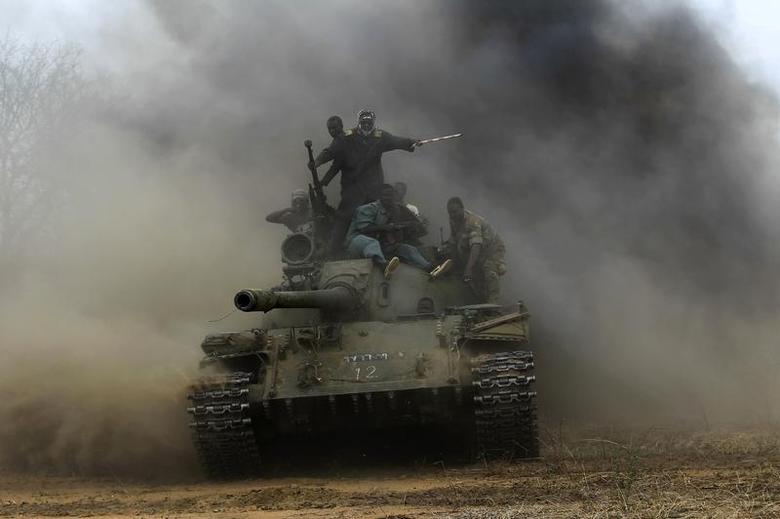
Pre-positioned medical stocks in El Obeid are sufficient to treat more than 25,000 people, covering trauma care, disease prevention, reproductive health and nutrition. Yet the scale of need dwarfs those preparations. Across Sheikan, the largest locality in North Kordofan state, nearly 800,000 people require humanitarian assistance. The RSF and SAF have been at war since April 2023, and the UN has once again called for the protection of civilians and civilian infrastructure, and for unimpeded humanitarian access.
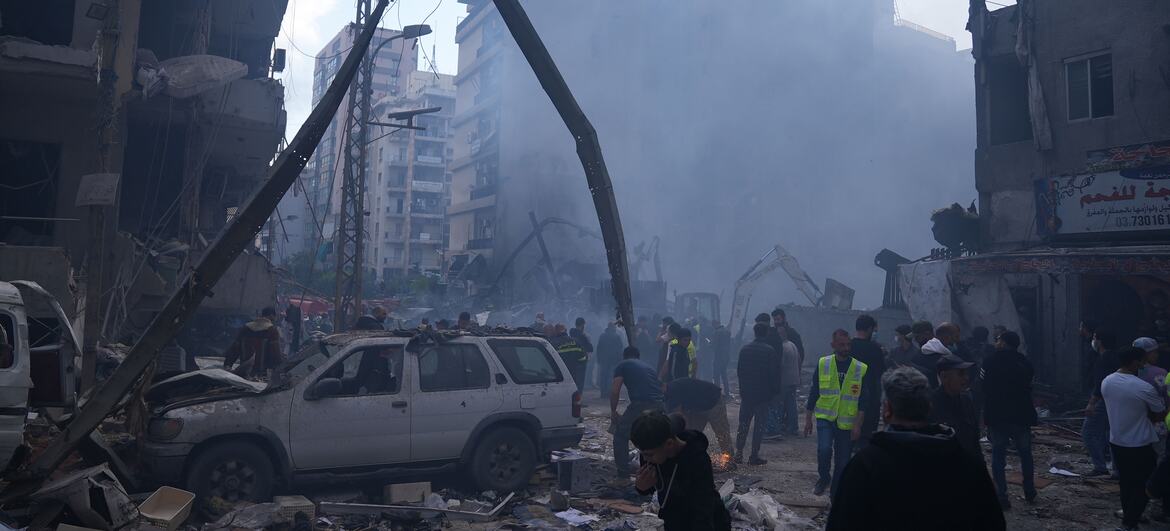
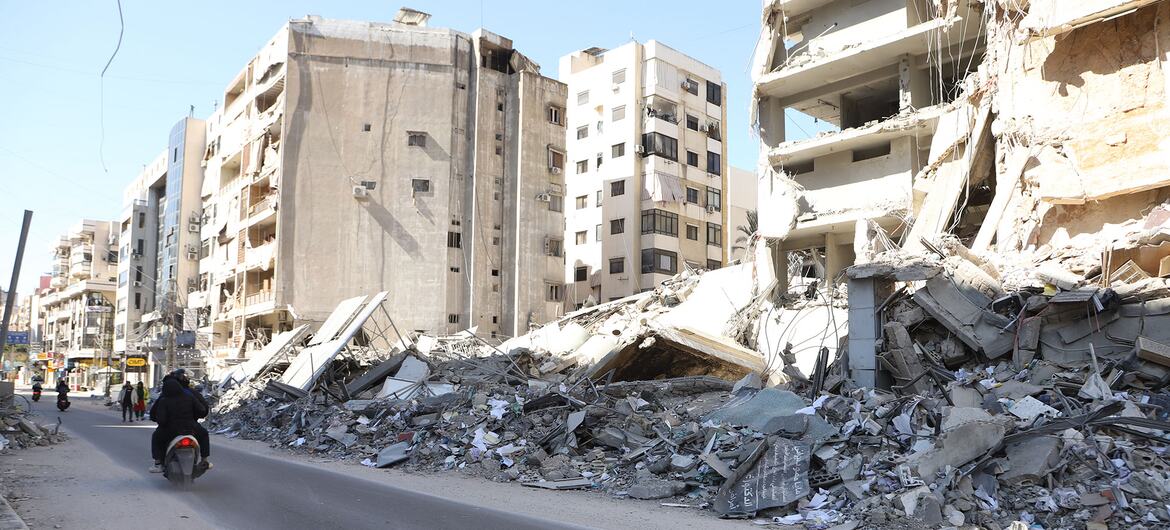
In Lebanon, the slow trickle of displaced people returning to communities in the south continues, though the journey home is far from safe. The number of people living in collective shelters has fallen from 103,000 to around 72,000 as of last Friday, according to the UN humanitarian affairs agency OCHA. But the agency warns that unexploded ordnance and other explosive remnants of war remain pervasive, particularly in the Tyre district of South Governorate, where local authorities have issued formal warnings. Aid partners caution that such hazards make any notion of fully safe and sustainable return premature.
On Wednesday the United Nations observed the International Day of Women in Diplomacy, a moment that threw into relief how far the world still has to travel. Women hold fewer than a quarter of cabinet minister positions globally and remain conspicuously absent from the most influential portfolios, among them foreign affairs, defence and security. UN Deputy Secretary-General Amina Mohammed used the occasion to insist that women must be present at the table and heard when they are. Kyrgyzstan’s Ambassador to the UN, Aida Kasymalieva, added a concrete illustration of what progress looks like: her country will join the UN Security Council in January 2027, and she will represent it there, becoming the first woman from Central Asia to sit at the body’s horseshoe table. Greater participation, she argued, is not merely a matter of representation but of ensuring that every perspective, talent and experience is brought to bear when decisions about war and peace are made.
Sources: UN News (24 June 2026); OCHA; World Health Organisation; UN Deputy Secretary-General Amina Mohammed, statement on International Day of Women in Diplomacy, 25 June 2026; Ambassador Aida Kasymalieva, interview with UN News.
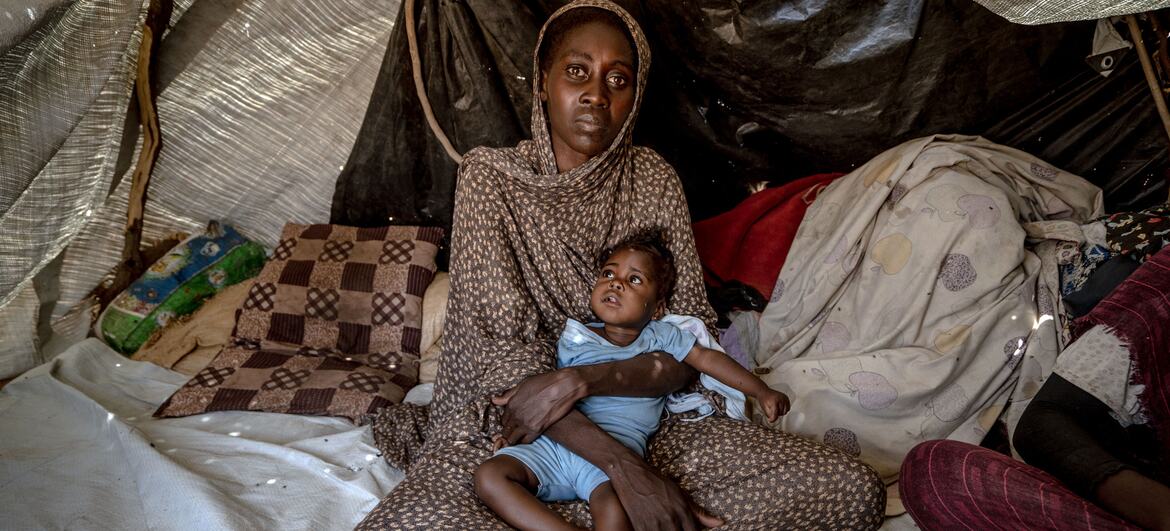
The World Pledged Nearly $1.8 Billion for Sudan
The structural problem with the conference was one it shared with its predecessors in Paris and London. Neither the Sudanese Armed Forces nor the paramilitary Rapid Support Forces were invited...


Our Network
Our Channels

© 2026 Al Jazeera Media Network. All rights reserved.