

Lebanon: Israel’s War Crime of Forced Displacement
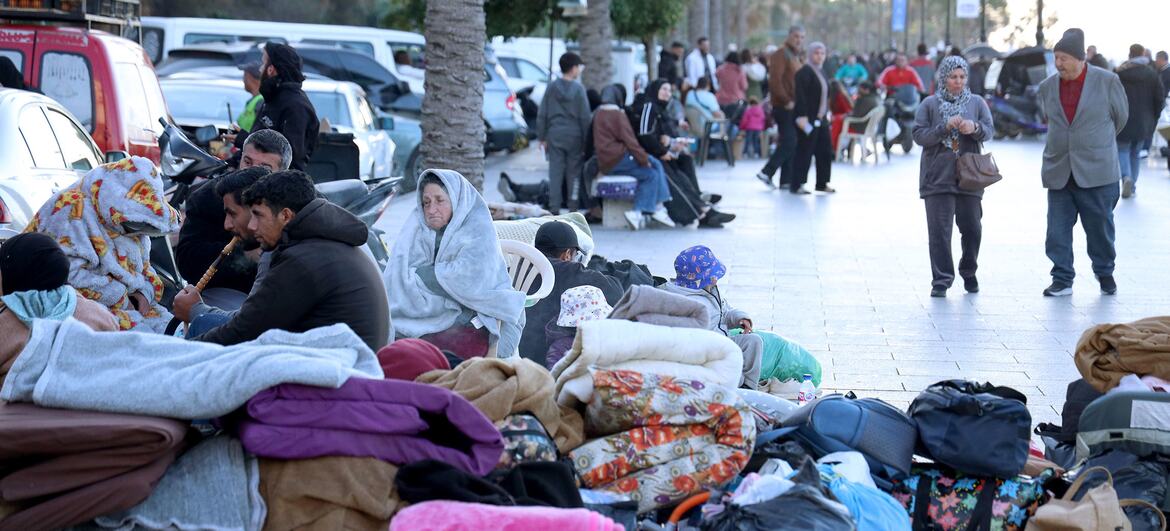
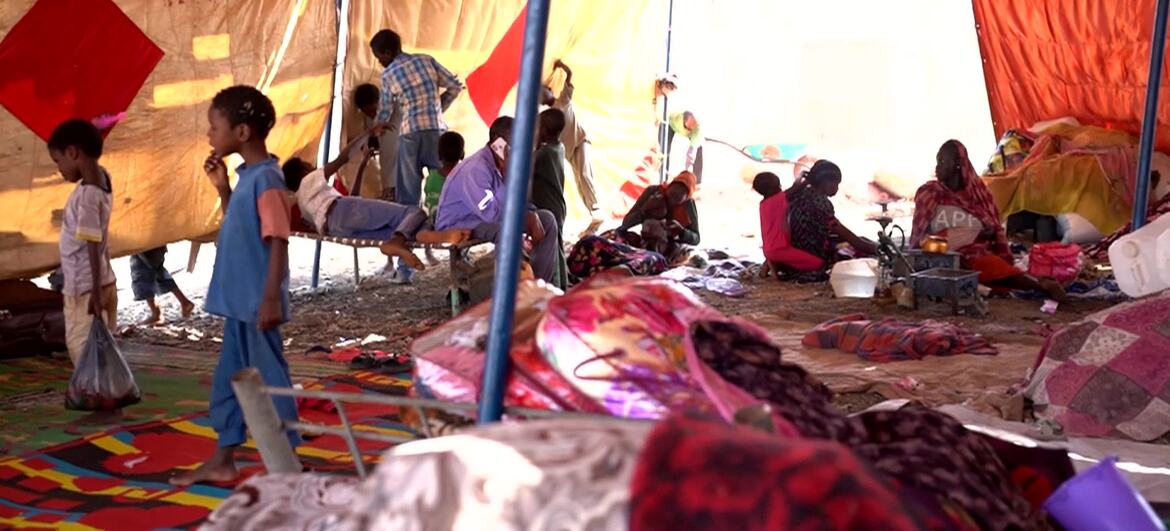
© UNICEF/Dar al-Mussawir Displaced families in Beirut, the capital of Lebanon.
Mass evacuation orders and no-return zones amount to unlawful transfer, says Amnesty International
Since 2024, the Israeli military has issued sweeping orders instructing residents of large swathes of Lebanon to flee their homes immediately and indefinitely. In southern Lebanon, tens of thousands of those displaced have since been barred from returning. Amnesty International concludes that this combination of forced displacement and prevention of return constitutes unlawful transfer, a grave breach of the Fourth Geneva Convention and a war crime.
A new investigation published on June 17th analyses 447 orders issued by the Israeli military to residents of Lebanon via social media between September 2024 and May 2026. Of these, 135 were mass evacuation orders issued during the 2026 escalation alone, compared with 36 during the 2024 campaign. The scale and frequency of the orders expanded dramatically.
Everybody leave
The orders, which the Israeli military has described as voluntary warnings, bear little resemblance to the targeted advance warnings that international humanitarian law envisages. They have covered entire villages, lists of villages, and vast stretches of territory. Many were issued in the middle of the night and accompanied by ambiguous maps. They provided no meaningful information about where or when strikes might occur and were never revoked even after fighting in the relevant areas ceased, as the law requires.
Within the first 48 hours of the March 2026 escalation, the Israeli military issued its largest mass evacuation order to date, covering all areas south of the Litani River, approximately 8.5 per cent of Lebanon. Days later, it expanded the order to the area south of the Zahrani River, around ten per cent of the country and home to some 800,000 people and republished the same instruction 13 times. On May 27th, the first day of Eid al-Adha, it extended the zone to 15 per cent of the country.
The shift in approach was particularly stark in Dahieh, Beirut’s southern suburbs. In 2024, the Israeli military issued no mass evacuation orders for the area. In 2026, it issued 27 between March and May, while targeted warnings for specific buildings fell from 107 to 15.
Residents of Chaqra, a village in the Nabatieh Governorate, received at least seven mass evacuation orders between October 2024 and May 2026, including one issued shortly after a ceasefire was announced in April. One woman in her early sixties described the chaos following an order issued at 4am: “Everyone left before me; the entire neighbourhood was empty.” The journey to Beirut, normally two and a half hours, took 24.
Don’t come back
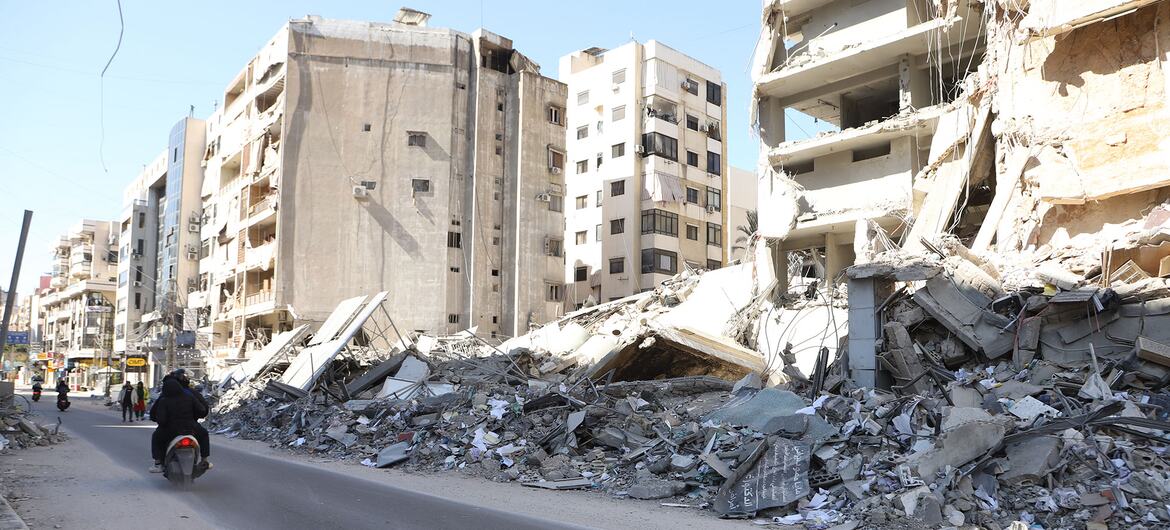
On top of the evacuation orders, the Israeli military has expanded the territory it has designated a no-return zone. Three days after the April 17th ceasefire, it published a new map designating a “Forward Defence” zone covering roughly six per cent of Lebanese territory and listing 74 villages from which residents were barred or restricted. The area previously housed tens of thousands of civilians and has been subjected to extensive destruction, documented through satellite imagery showing near-total demolition of municipalities along the border and heavy damage extending further inland.
Amnesty International interviewed nine people displaced from villages included in the no-return orders. Four had been unable to go home in any meaningful sense since 2024. Residents of Kfar Kila and Odeisseh, villages close to the Israeli border, described being granted ten-minute supervised visits to bury relatives, watched by drones overhead. One-woman recounted arriving to find the old cemetery had been bulldozed.
Defence Minister Israel Katz said in mid-June that Israeli forces “will remain in the security zones in Lebanon, Syria and Gaza without any time limit,” and that those zones would be cleared of residents. The Israeli military meanwhile told Amnesty International that there was “no prohibition on Lebanese civilians returning to their homes.” The contradiction between those two positions is stark.
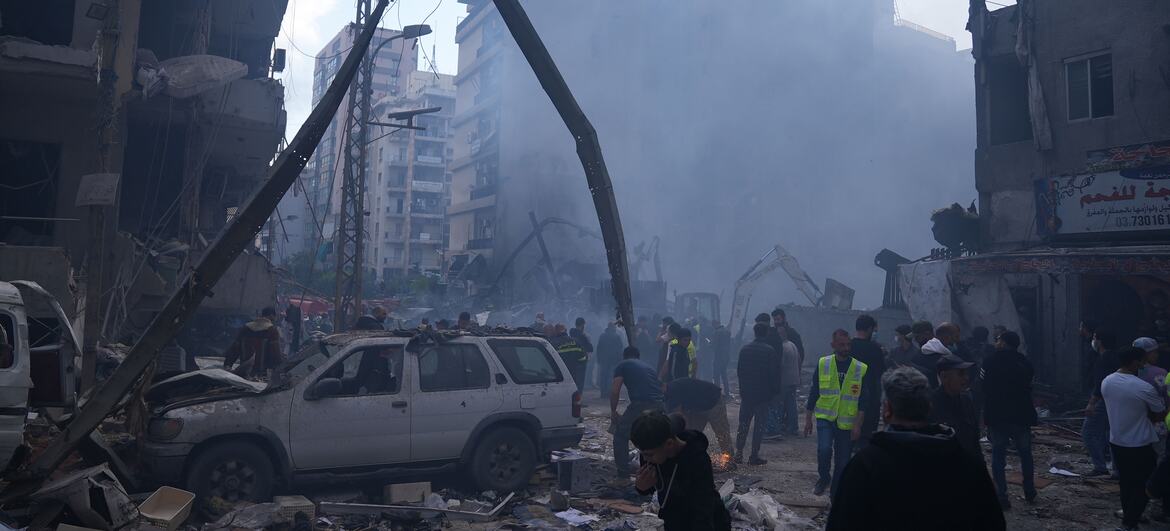
As of June 7th, more than one million people remained displaced in Lebanon. Since the escalation began on March 2nd, more than 3,700 people had been killed, according to the Lebanese Ministry of Public Health. Amnesty International is calling on states to press for a durable ceasefire, demand Israeli withdrawal from Lebanese territory, activate accountability mechanisms, and suspend arms transfers to Israel.
Source: Amnesty International investigation into Israeli military orders in Lebanon, 17 June 2026
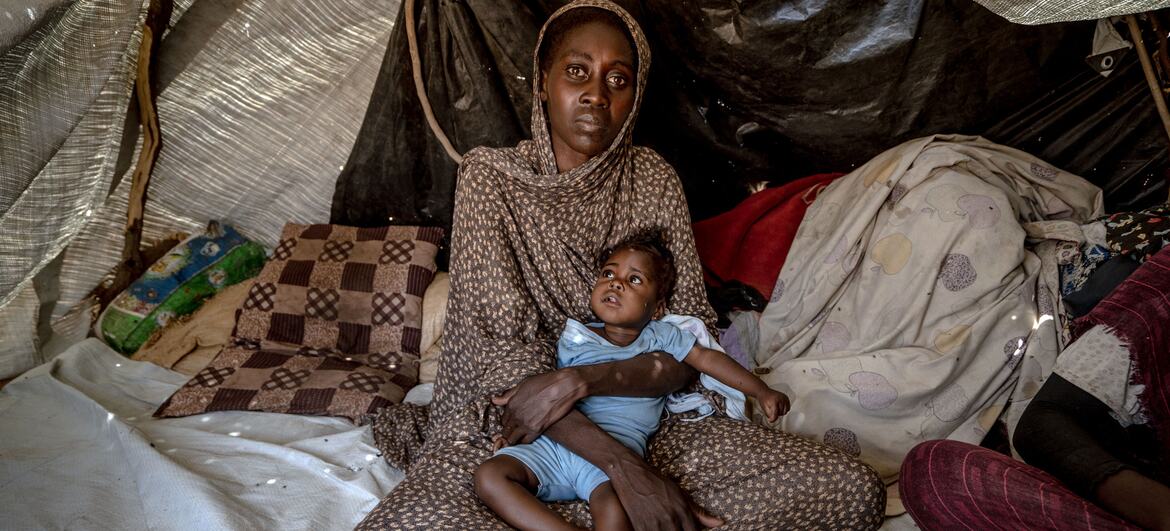
The World Pledged Nearly $1.8 Billion for Sudan
The structural problem with the conference was one it shared with its predecessors in Paris and London. Neither the Sudanese Armed Forces nor the paramilitary Rapid Support Forces were invited...





Our Network
Our Channels

© 2026 Al Jazeera Media Network. All rights reserved.