

A Tribunal’s Awkward Retirement
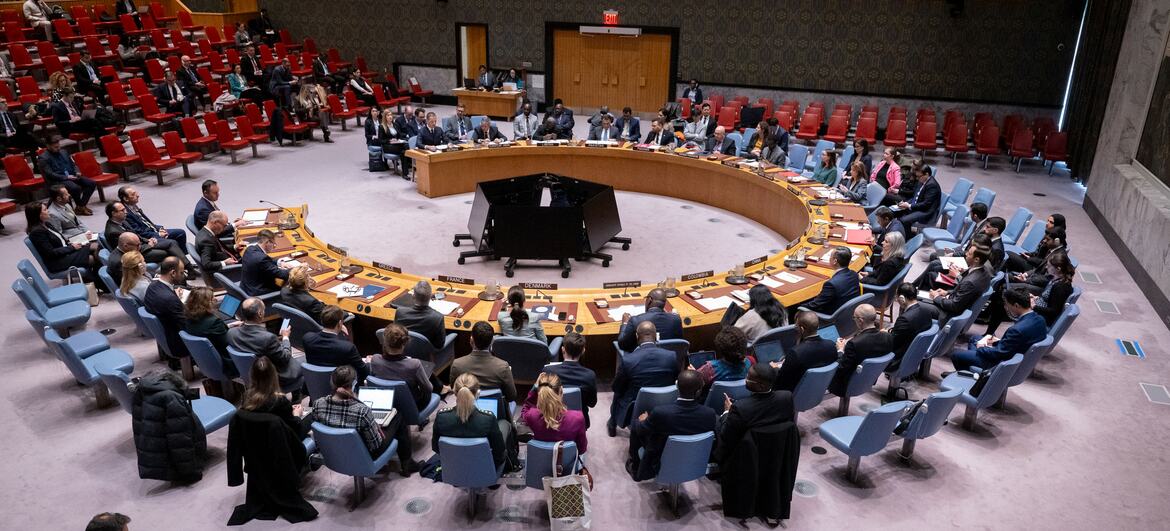
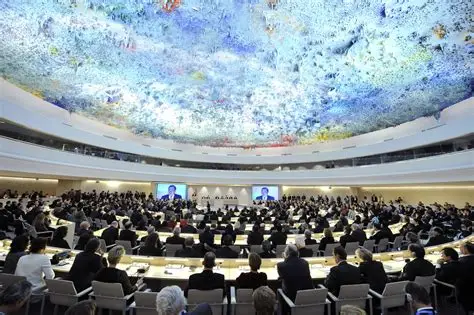
UN Photo/Manuel Elías A wide view of the Security Council.
The Security Council spent Friday discussing how to wind down a body that has spent 16 years tidying up after two of the 20th century’s most notorious war crimes tribunals, without quite managing to agree on how, or how fast.
The International Residual Mechanism for Criminal Tribunals (IRMCT) was set up in 2010 to finish the unfinished business of the tribunals for Rwanda and the former Yugoslavia. Its president, Graciela Gatti Santana, told the Council that the body had “effectively executed its mandate” but that some essential work remained, including prisoner transfers, witness protection and monitoring cases referred to national courts. She proposed cutting staffing by nearly 90% and handing functions such as archive management to the UN Secretariat, while insisting a small judicial presence must persist because, as she put it, durable justice does not run to a timetable.
The Mechanism’s prosecutor, Serge Brammertz, agreed that some functions could move to the Secretariat but warned that genocide denial and the glorification of war criminals made the educational role of the tribunals’ archives as important as ever.
Predictably, the archives proved the stickiest issue. Rwanda’s justice minister, Emmanuel Ugirashebuja, argued that records from the Rwanda tribunal belonged in Rwanda, calling their return part of survivors’ history. Tanzania, which hosted the tribunal in Arusha for two decades, countered that the archives already sit somewhere neutral and accessible. A similar dispute simmers over the Yugoslavia tribunal’s records, with Serbia offering to preserve material while Croatia and Bosnia and Herzegovina pressed for guarantees of access and transparency.
On the broader question of timing, Greece, Pakistan, and Somalia backed a “small, temporary and efficient” structure, while America called for a “responsible and expeditious conclusion”. Russia accused the Mechanism of clinging to its remaining functions and demanded faster transfers. Colombia, meanwhile, urged an “orderly closure”, a phrase that may end up doing a great deal of diplomatic work in the months ahead.
Sources: UN Security Council briefing, 12 June 2026.
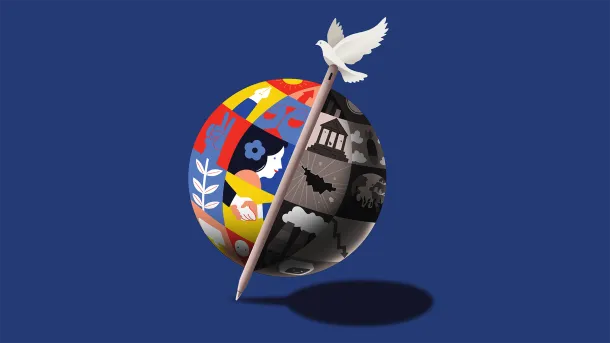
The World Needs a Free Press. It is Getting the Opposite!
Lusaka hosts the world’s most important journalism gathering at its darkest hour. UNESCO’s flagship report on global trends in freedom of expression and journalism points to a...
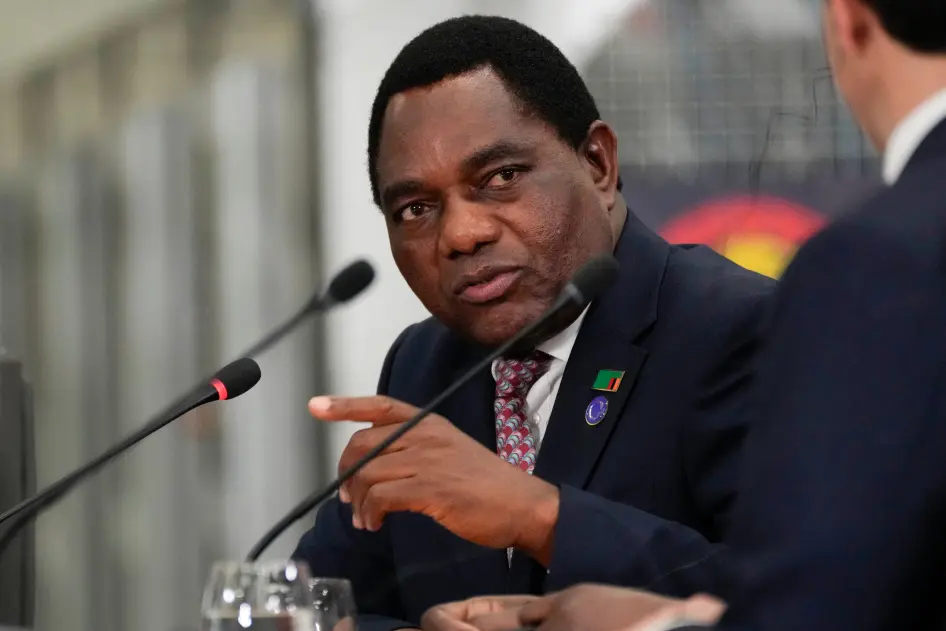
RightsCon!
Days before the conference opened, the Zambian government effectively cancelled RightsCon, the world’s largest digital rights summit, which was scheduled to run in Lusaka from May 5th to...



Our Network
Our Channels

© 2026 Al Jazeera Media Network. All rights reserved.