

Yemen’s Hunger Crisis Deepens as Aid Dries Up
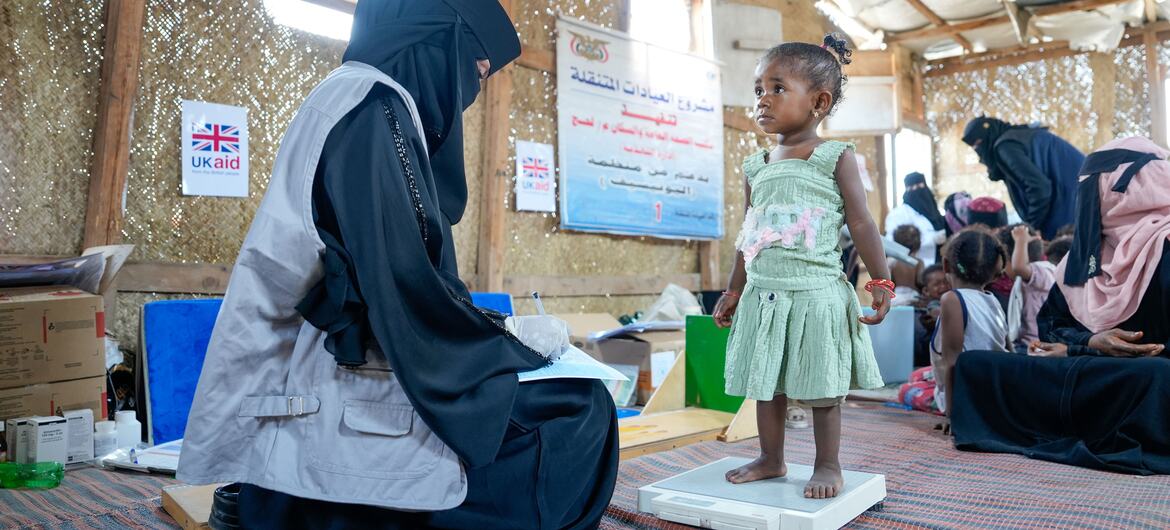
© UNICEF/Mohanad Waqqas An 18-month-old girl suffering from malnutrition is weighed at a displaced camp in Lahj, Yemen.
War, economic collapse, and a sharp drop in international funding are pushing Yemen towards a hunger emergency that aid agencies warn could prove irreversible. According to a new analysis by the UN-backed Integrated Food Security Phase Classification platform, around 5m people, 47% of the population in government-controlled areas, are currently experiencing crisis-level food insecurity or worse. A further 1.4m are in the “emergency” phase, a number expected to rise steeply.
The lean season from June to September is projected to push those in emergency conditions to 1.5m; by the post-harvest period in late 2026, the figure could reach 1.8m. The Food and Agriculture Organisation, the World Food Programme and UNICEF, in a joint statement, pointed to a confluence of factors: economic collapse, climate shocks, disrupted livelihoods and, critically, declining humanitarian support. Around 60% of Yemeni households depend partly on farming, but harvests face mounting pressure from extreme weather, pest outbreaks, and broken supply chains. Irregular salaries, high food and fuel prices and limited employment push many families beyond their ability to meet basic needs.
The collapse of funding is particularly alarming given the timing. Humanitarian food assistance and services covering nutrition, health, and water and sanitation are expected to decline sharply, removing the safety net precisely when millions need it most. Pregnant women, breastfeeding mothers, and young children face rising rates of acute malnutrition as dietary diversity shrinks and access to preventive nutrition services erodes.
In displacement camps, mobile health teams are trying to fill the gap. In Al-Shaab camp in Aden, WHO and local partners are running clinics to screen for malaria and dengue. For Abeer Abdulwarith Mohammed Saeed, a 21-year-old living there, the visits bring rare reassurance in a life defined by medical uncertainty. “If I, my husband or my children get sick, we cannot get treatment because of our limited means,” she said. When the mobile team visited and tested her children, she was relieved: “Thank God, there was no malaria.”
The core UN agencies are calling on donors to scale up funding immediately. Without it, they warn, millions risk falling deeper into hunger, malnutrition, and irreversible livelihood loss—a warning that has grown familiar in Yemen, and that the world has too often ignored.
Source: FAO, WFP, UNICEF, WHO, June 3rd, 2026
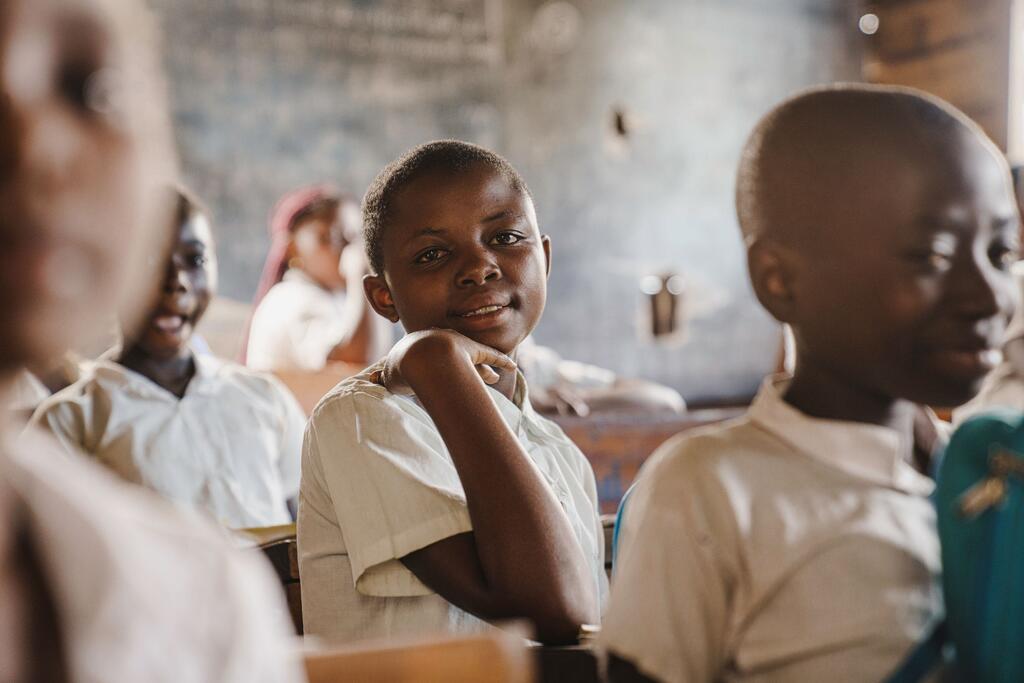
Schools as Bastions: Education in the Context of Displacement Eastern DRC
The two‑year US$10m initiative in Ituri emphasises safe infrastructure, teacher training, psychosocial support and catch‑up learning, measures that help stabilise communities and reduce...
- Most Viewed
- Most Popular




Our Network
Our Channels

© 2026 Al Jazeera Media Network. All rights reserved.