

Afghanistan’s Deepening Crisis
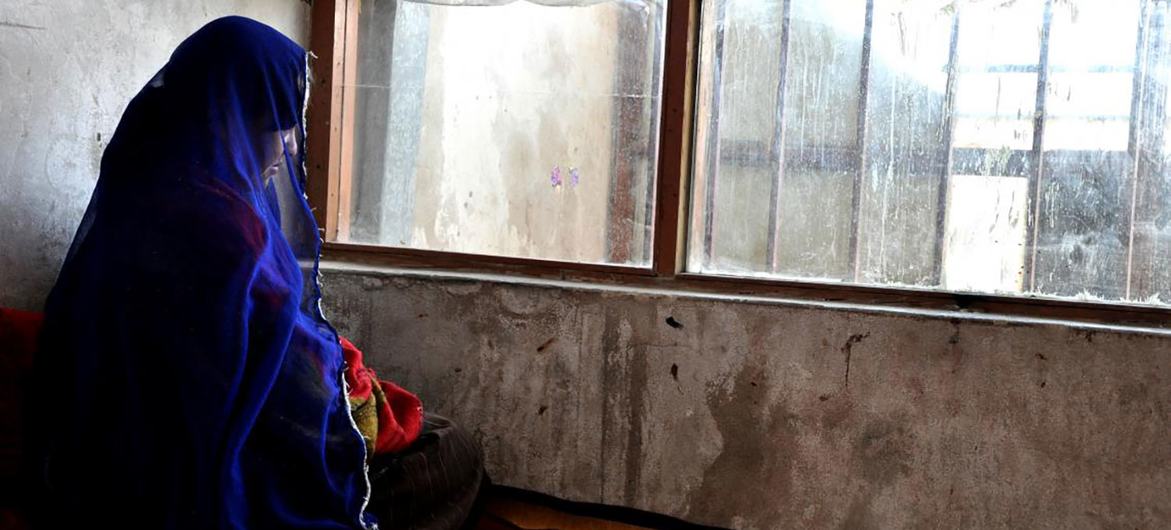
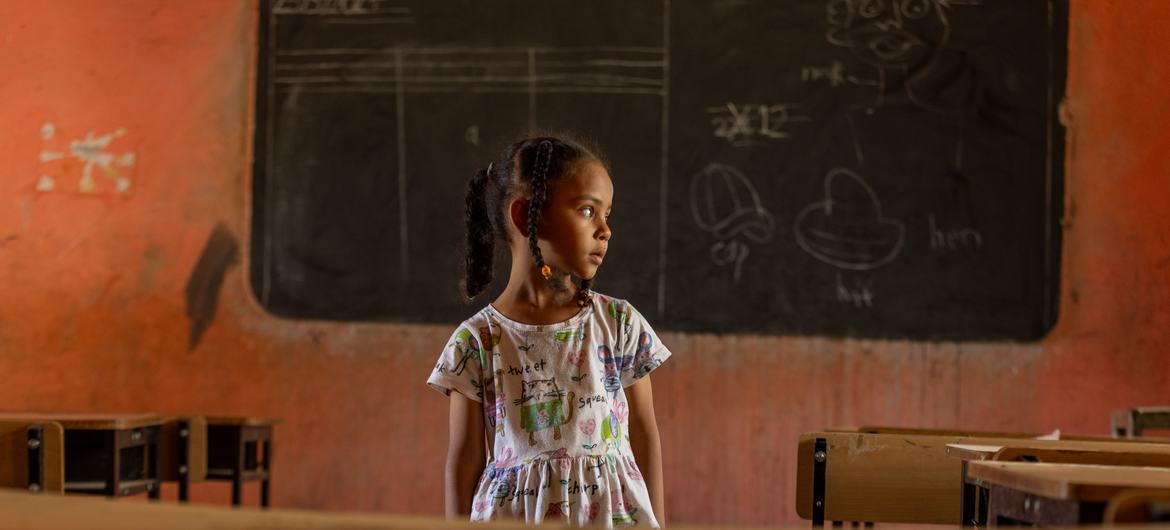
© UNICEF/Madhok Child marriage is a strategy for economic survival in Afghanistan as families marry off their daughters to reduce their economic burden.
Five years after the Taliban’s return to power, Afghanistan is sliding deeper into economic and humanitarian despair. At a Security Council briefing on June 8th, senior UN officials and civil society representatives warned that relative security under the de facto authorities masks a society under severe and growing strain.
Georgette Gagnon, who leads the UN mission UNAMA, described communities consumed by mounting hardship during recent visits across the country. The Taliban have consolidated full territorial and administrative control and face no meaningful political or military challenge, she said. But that stability is fragile. Nearly 5.9 million Afghans have returned to the country since 2023, and up to 2.8 million more may return this year, placing impossible pressure on an economy with few opportunities to absorb them.
The humanitarian picture is alarming. Afghanistan remains one of the world’s largest crises, with 21.9 million people requiring assistance in 2026. Edem Wosornu of the UN’s humanitarian coordination office, OCHA, reported that renewed fighting along the Afghanistan-Pakistan border earlier this year displaced more than 100,000 people and left communities cut off from aid for weeks. Severe food insecurity now affects 4.7 million people, 50% more than at the same point last year. Some 3.7 million children suffer acute malnutrition, while some families have reportedly resorted to selling daughters to survive.
The situation for women and girls is deteriorating. An estimated 3.8 million girls aged seven to 18 are out of school. Each year, approximately 250,000 more are permanently excluded from secondary education pathways. Civil society representative Metra Mehran, founder of the Afghanistan Justice Archive, told the council that since August 2021, the Taliban have enacted over 230 decrees systematically stripping women and girls of rights to education, employment, movement, and public life. A recently enacted Criminal Procedure Code, she said, formalises discrimination and legalises violence against women.
Ms Gagnon nonetheless urged continued engagement. “Ongoing and constant dialogue is essential,” she said, “together with principled and pragmatic engagement, even where progress towards the end state is incremental.”
Sources: UN News, UNAMA, OCHA. June 8th, 2026
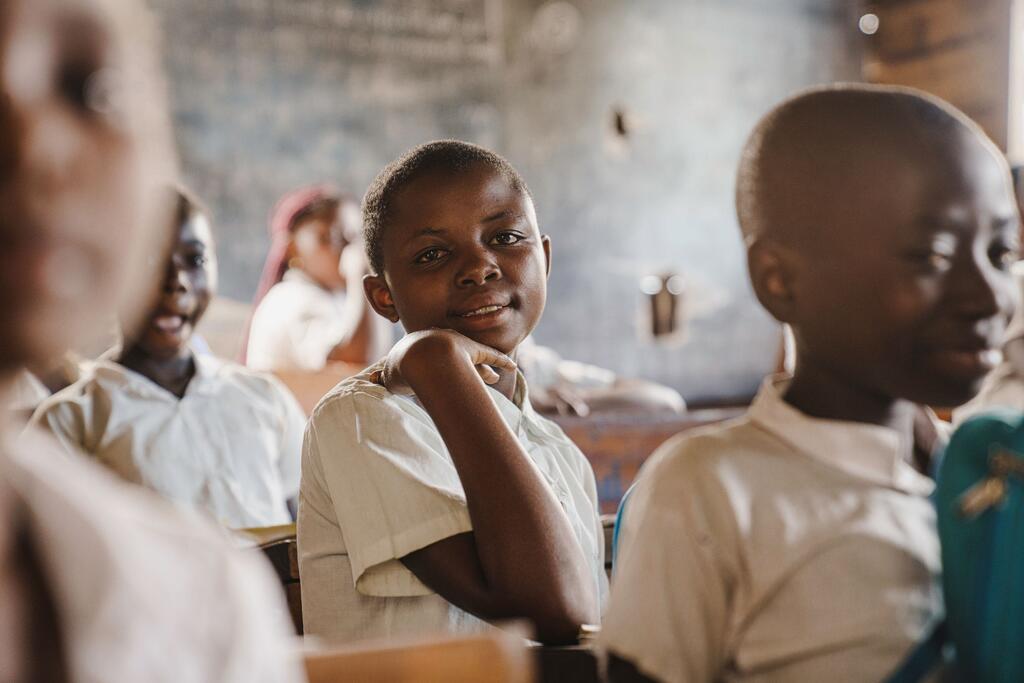
Schools as Bastions: Education in the Context of Displacement Eastern DRC
The two‑year US$10m initiative in Ituri emphasises safe infrastructure, teacher training, psychosocial support and catch‑up learning, measures that help stabilise communities and reduce...
- Most Viewed
- Most Popular



Our Network
Our Channels

© 2026 Al Jazeera Media Network. All rights reserved.