

Support Builds to Protect Children from Crimes Against Humanity
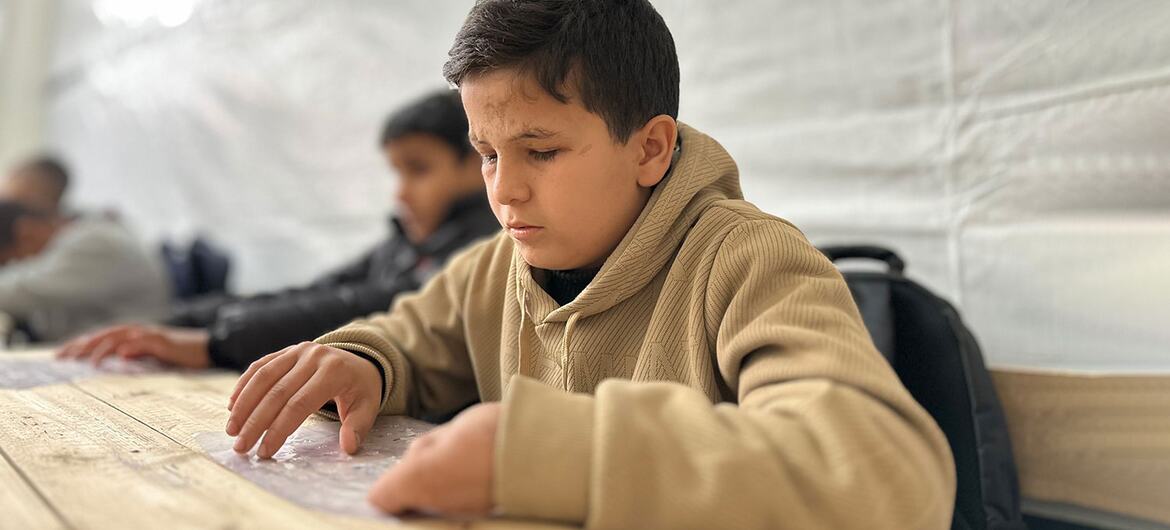
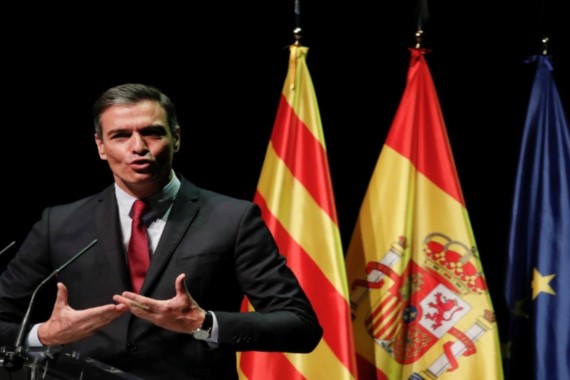
Archive/Al Jazeera.
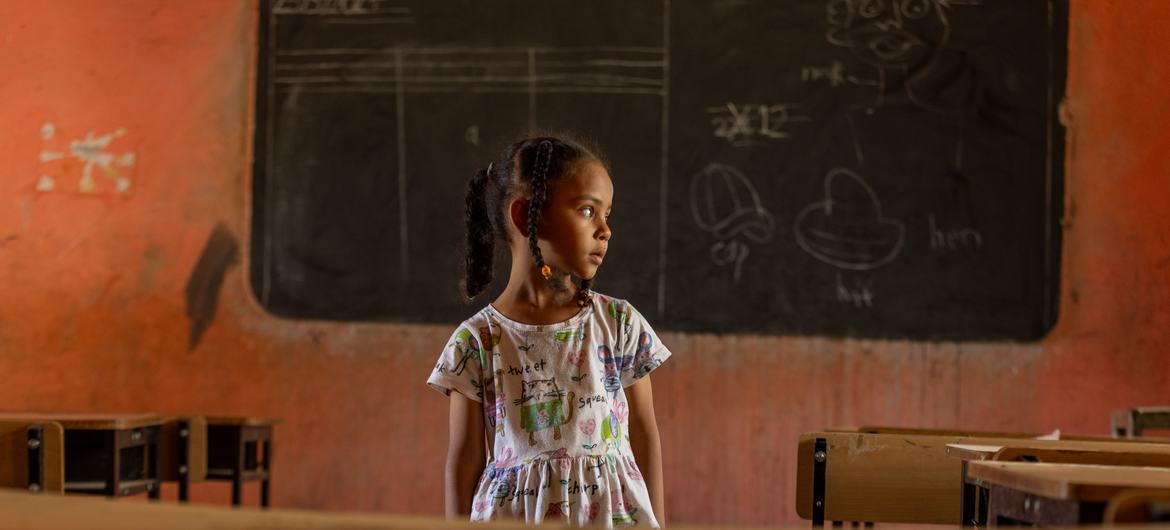
In the process leading toward a new international treaty to prevent and punish crimes against humanity, growing cross-regional support has emerged to ensure children receive explicit protections in the final instrument. Recent weeks have seen countries submit formal proposals for amendments to the draft articles under consideration, and a civil society coalition including Human Rights Watch has backed the effort.
Unlike war crimes and genocide, crimes against humanity are not covered by a dedicated international treaty under which countries agree to prosecute or extradite those responsible. A new and broadly ratified treaty would close that gap. Crimes against humanity encompass some of the gravest offences committed during a widespread or systematic attack on civilians: murder, extermination, torture, sexual violence, persecution and others. Despite children being routinely targeted in such attacks, the current draft treaty mentions children only in its preamble and in the definition of enslavement.
Proposals on the Table
The breadth of the proposals submitted makes the current moment significant. Of 63 countries that submitted proposals, 16 explicitly supported recognising age as a basis for persecution, representing at least a quarter in favour of that change. Fourteen proposed creating a new crime of recruiting persons under 18 as part of an attack or using them to participate in one. Twelve proposed excluding those who were children at the time of an alleged crime from adult criminal justice jurisdiction.
Other countries proposed ensuring child victims and witnesses have meaningful access to justice and reparation procedures. Given how frequently children are overlooked in such proceedings, making protections explicit is critical. Several amendments came from countries with first-hand experience of these crimes, including Liberia and Colombia.
The civil society coalition has supported the process by elaborating the legal basis for these proposals and demonstrating how they align with progress made elsewhere, from international human rights law on child soldiers to enabling children to testify safely.
Negotiations on the treaty’s content are scheduled to begin in 18 months. The proposals already put forward provide a strong foundation. All countries should consider them carefully and arrive at the conference prepared to use what may be a singular opportunity to extend international law’s protection to children.
Source: Human Rights Watch, June 2026
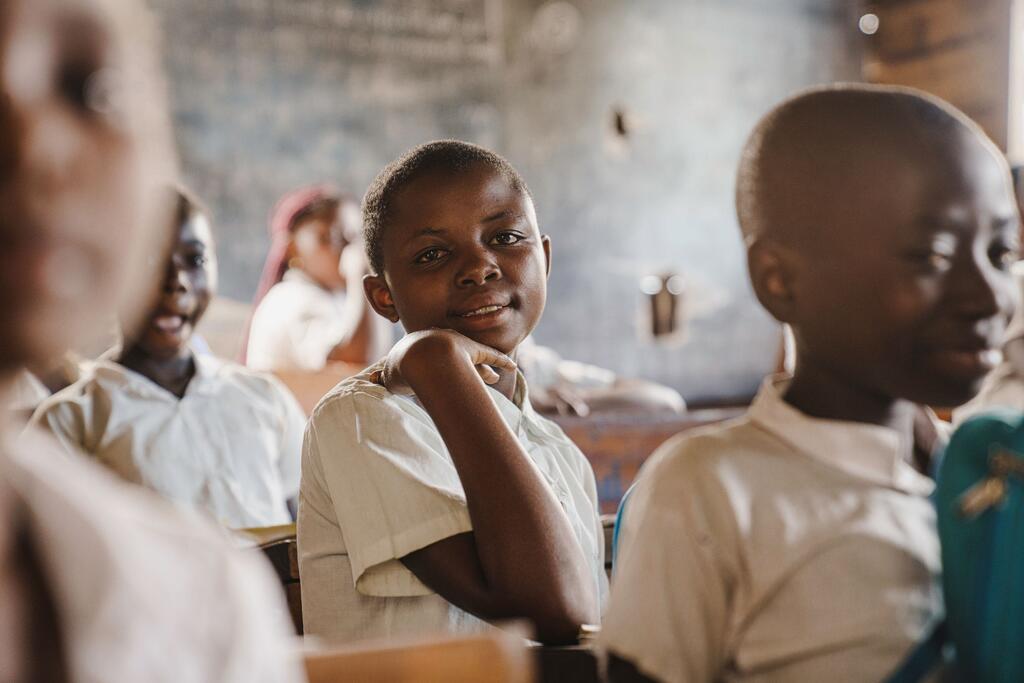
Schools as Bastions: Education in the Context of Displacement Eastern DRC
The two‑year US$10m initiative in Ituri emphasises safe infrastructure, teacher training, psychosocial support and catch‑up learning, measures that help stabilise communities and reduce...
- Most Viewed
- Most Popular

Our Network
Our Channels

© 2026 Al Jazeera Media Network. All rights reserved.