

When The Classroom Becomes a Frontline
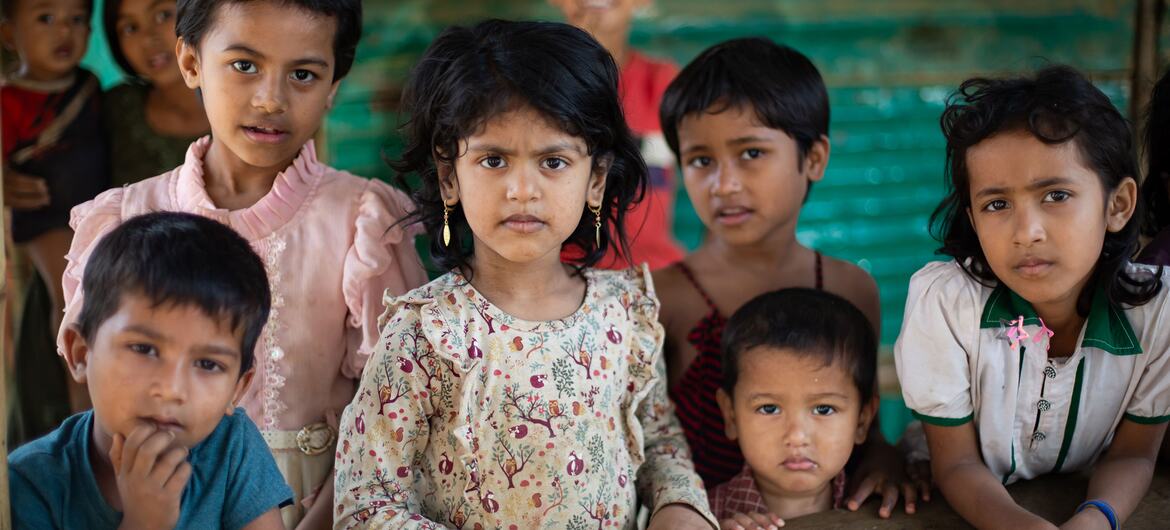
© UNICEF/Royena Rasnat A group of Rohingya refugee children attend an activity centre in Cox's Bazar in Bangladesh
New research shows that schools, once considered places of safety, are increasingly becoming targets in the world’s conflicts, with the scale of attacks on education rising sharply.
A 40% surge in a single report
According to new research from the Global Coalition to Protect Education from Attack, attacks on education worldwide rose by 40% in 2024 and 2025, with more than 8,556 recorded incidents and at least 10,600 students and staff killed, injured, abducted, arrested or otherwise harmed. Cases were reported in 83 countries, with the highest numbers recorded in Colombia, the Democratic Republic of Congo, Ethiopia, Haiti, Palestine and Ukraine. Ukraine alone experienced around 900 attacks on schools, while Palestine saw at least 2,400 attacks on students and staff. Cases of military forces or armed groups occupying schools or universities nearly doubled, rising 91% to 1,912 recorded incidents. The coalition’s director, Lisa Chung Bender, said the findings amount to a warning that the global norms protecting children are collapsing.
Where the damage is worst
The highest numbers of victims were recorded in Myanmar, Nigeria, Yemen and Cameroon, where more than 1,700 students and staff in total were killed or injured. In Nigeria, more than 700 students and staff were reportedly kidnapped, while in Myanmar at least 80 were killed and around 240 injured. Tejendra Pherali, a professor of education, conflict and peace at University College London, said the rising numbers reflect a pattern that is increasingly systematic rather than episodic, with attacks growing more strategic each year. Behind the statistics, he noted, lie children who no longer see school as safe, a loss that extends beyond education to safety, futures and trust in institutions.
Targeting girls, targeting the vulnerable
In at least 11 countries, women and girls were targeted because of their gender. On 17 November 2025 in Nigeria, gunmen attacked a girls’ boarding school, killing the vice principal and abducting 25 female pupils. Students with disabilities were also affected. On 11 September 2025 in Lebanon, the Israeli military reportedly carried out a controlled detonation that destroyed a school for children with special needs. High explosives, including drone borne munitions, featured frequently in attacks on schools, causing extensive casualties, damaging infrastructure, and forcing institutions to close.
A world at war
Kieran King of War Child UK said attacks on education amount to grave violations of international humanitarian law. Since 2010, he noted, the number of children living in conflict has risen by 60%, while grave violations against children, including attacks on education, have increased by 373% over the same period. He pointed to aid cuts from the United States, Britain and others as having stripped significant humanitarian funding from the sector, compounding a weakening multilateral system and a broader climate of impunity for violations of international law.
These figures come against a backdrop of record global conflict. Data from Uppsala University’s conflict data programme show 65 conflicts were recorded in 2025, of which 13 were classified as wars causing at least 1,000 battle related deaths in a single year, the highest number since 1992. More than 244,000 people were killed in organised violence in 2025, making it the second deadliest year since the Rwandan genocide of 1994. Chung Bender insisted the attacks documented are nonetheless preventable, calling on states to end the military use of schools, strengthen legal protection and accountability, and invest in monitoring, reporting, and early warning systems.
Sources: Global Coalition to Protect Education from Attack, report cited in The Guardian, 15 June 2026
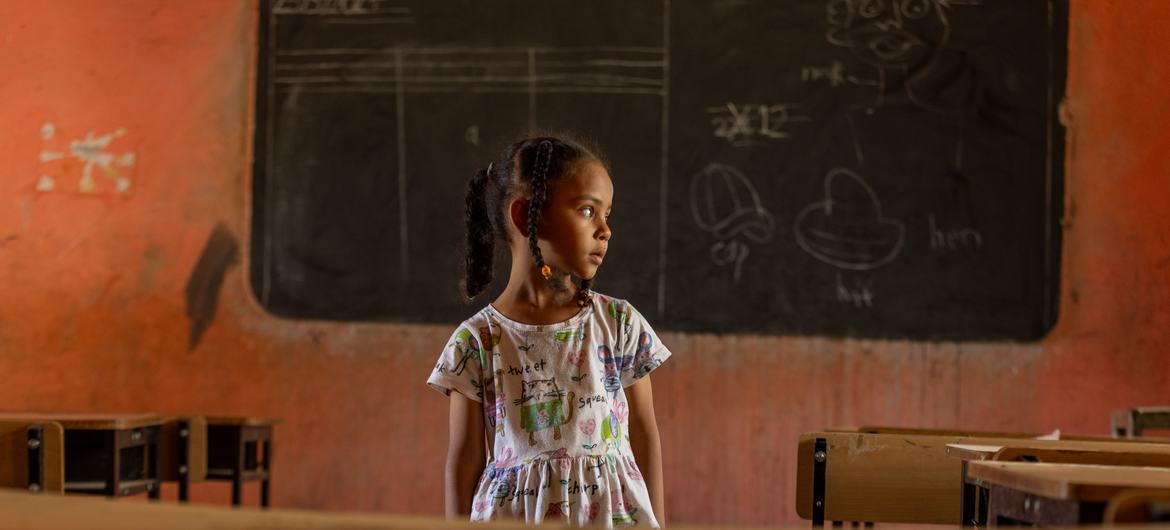
Left Behind: The Global Education Crisis
Progress since 2015 has slowed across nearly every region, with sub-Saharan Africa especially hard hit. In conflict zones, official figures almost certainly undercount the true scale of...
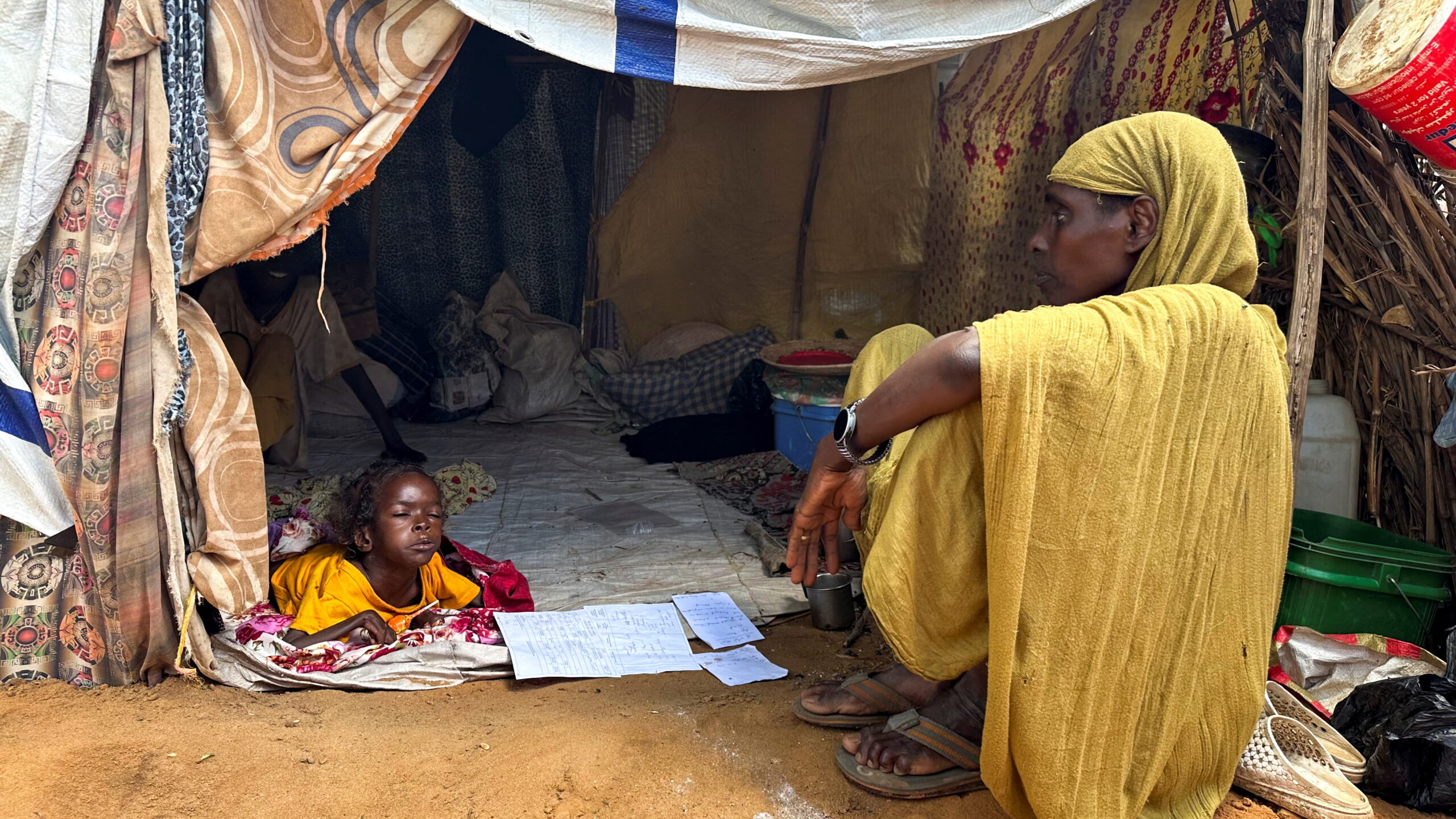
Sudan Schooling Under Siege
Remote learning has been largely infeasible for most Sudanese children owing to infrastructure collapse and displacement, deepening a generational learning deficit with long-term humanitarian...





Our Network
Our Channels

© 2026 Al Jazeera Media Network. All rights reserved.