
Unequal by Design
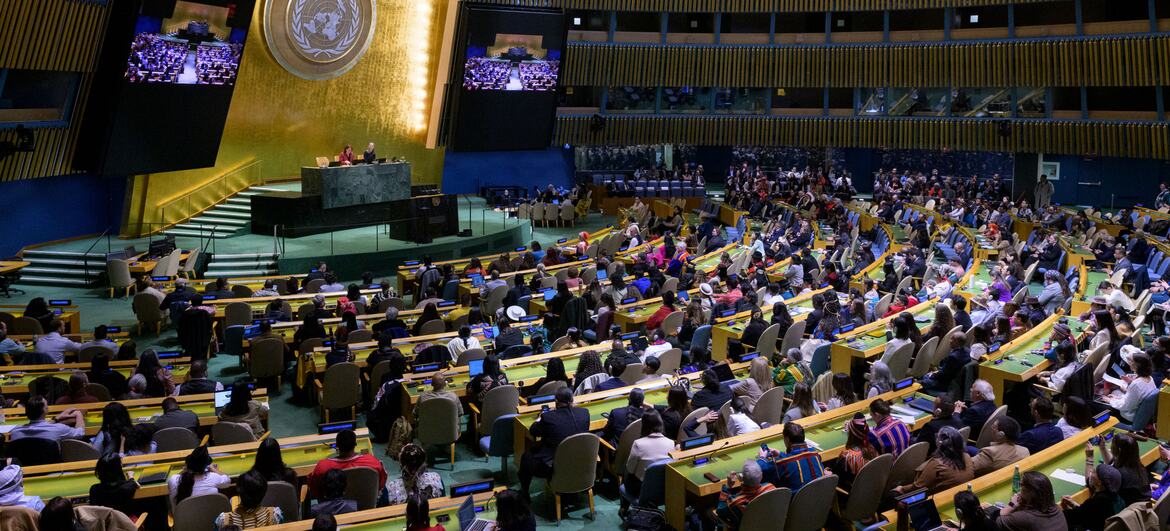
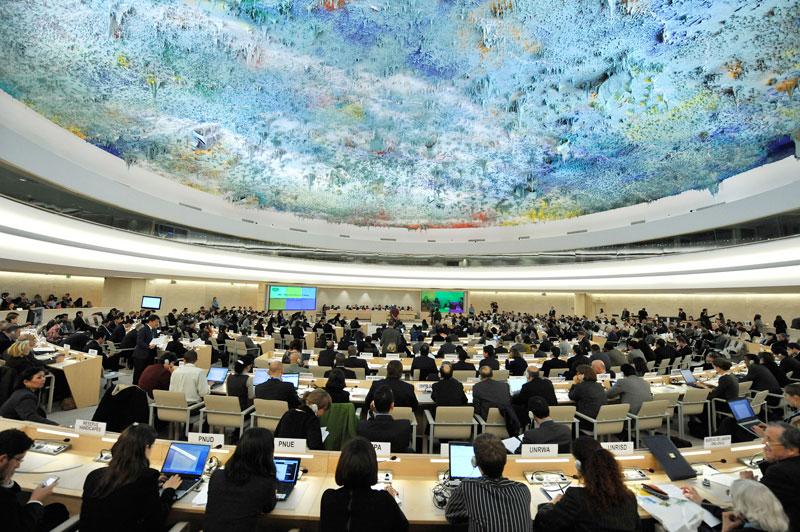
UN Photo/Manuel Elías A wide view of the opening of the 25th Session of the Permanent Forum on Indigenous Issues (UNPFII).
A meeting at the United Nations lays bare the measurable cost of excluding the world’s indigenous peoples from equitable healthcare:
Numbers, when they accumulate, have a moral weight of their own. Indigenous peoples make up roughly 6% of the world’s population yet account for nearly 19% of those living in extreme poverty. Their life expectancies can trail those of the broader population by up to two decades. Maternal and infant mortality rates among indigenous women are disproportionately high, and elevated suicide rates are recorded wherever indigenous communities exist. These are not incidental disparities. They are structural ones.
Such was the backdrop to the opening, on April 20th, of the 25th session of the UN Permanent Forum on Indigenous Issues at UN Headquarters in New York. More than 1,000 participants are expected to attend the two-week gathering, which runs until May 1st. The session’s chosen theme, healthcare for indigenous peoples including in conflict zones, signals that delegates intend to address not merely inequality in peacetime but the compounded vulnerability of communities caught between armed forces and neglect.
“This is not only a moral failure. It is a development failure.”
Annalena Baerbock, President of the UN General Assembly
Annalena Baerbock, the General Assembly’s president, articulated what the data make plain. Life expectancy gaps of up to 20 years are not a byproduct of geography or culture but of sustained exclusion from health systems that were often built without indigenous input. The maternal and infant mortality figures are particularly damning: they suggest that the point of greatest biological vulnerability is also the point of greatest institutional failure.
Aluki Kotierk, an Inuit leader from Canada who was re-elected as chair of the forum, advanced a more systemic diagnosis. Health systems, she argued, must be decolonised, a process that entails acknowledging the inseparability of physical health from culture, spirituality, language, land and environment. This is not a plea for abstraction. Research increasingly supports the contention that indigenous peoples who maintain strong connections to their land and traditions fare measurably better on indicators of mental and physical health than those who have been displaced from both.
UN Secretary-General António Guterres used the occasion to call on member states to fulfil their obligations under the UN Declaration on the Rights of Indigenous Peoples, and specifically to ensure that indigenous women participate meaningfully in all decisions affecting their lives. The emphasis on women is deliberate. They bear a disproportionate share of the health burden yet remain underrepresented in the policy processes designed to alleviate it.
The Permanent Forum was established in July 2000 as a high-level advisory body to the UN Economic and Social Council. A quarter-century on, the persistence of the disparities it was created to address raises an uncomfortable question: how much longer will documentation serve as a substitute for action?

Japan Should Not Ignore India’s Authoritarian Turn
Japan should not repeat the mistakes of its China policy. After the Tiananmen massacre of 1989, Japan led the way in re engaging a shunned Chinese government. The West, too, bet on engagement...

From AI To ‘Killer Robots’: UN Chief Issues Urgent Governance Call
Guterres proposed an AI Child Safety Pledge under which developers would have to prove their systems are safe for children, subject to independent oversight; commit to zero tolerance for the...



Our Network
Our Channels

© 2026 Al Jazeera Media Network. All rights reserved.