


Towards a Global Plastics Treaty
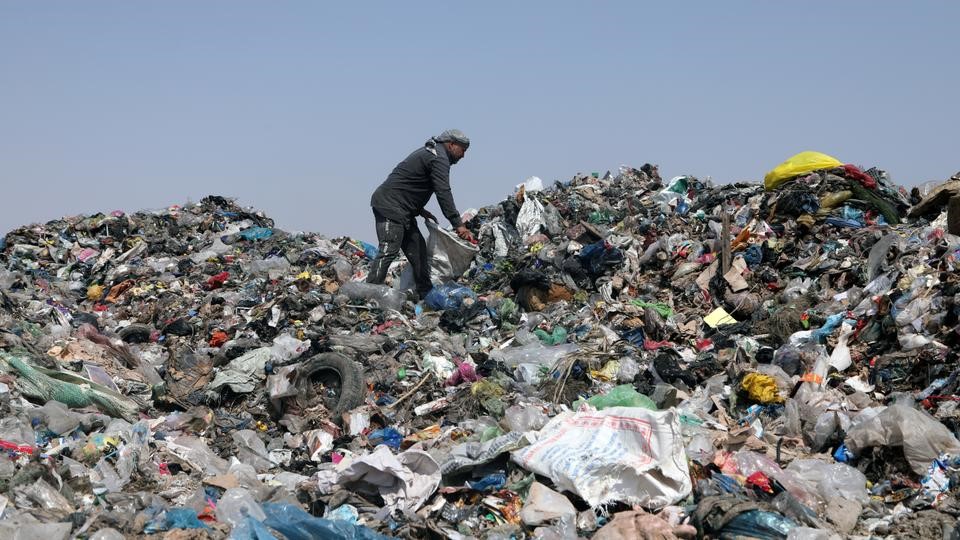
Over 400 million tonnes of plastic are produced annually/HRW
Countries will resume global plastics treaty negotiations in Geneva on August 5, 2025, after previous talks stalled due to major disagreements. A meaningful treaty must address plastic pollution at its source by limiting production, phasing out fossil fuels, and ending subsidies.
Over 400 million tonnes of plastic are produced annually—mostly from fossil fuels—which significantly contribute to climate change. Plastics’ entire lifecycle, from fossil fuel extraction to disposal, poses serious health and human rights risks, especially for marginalized “fenceline” communities living near production and recycling facilities.
While recycling is often promoted as a solution, it also has harmful impacts, as seen in Türkiye, where communities suffer health issues from recycling operations. The treaty’s current draft promotes recycling without addressing these harms.
Governments are legally obligated to protect the right to a clean, healthy, and sustainable environment. A strong treaty must include safeguards from production through disposal and prioritize rights-based measures like capping production and phasing out fossil fuels to end plastic pollution truly.
Source: HRW

United States, Winter Storm, Transport Paralysis and Federal Emergency Declarations
President Donald Trump approved federal emergency disaster declarations for 12 states: South Carolina, Virginia, Tennessee, Georgia, North Carolina, Maryland, Arkansas, Kentucky, Louisiana,...

Human Rights, Floods, and the Erosion of Basic Services in Africa
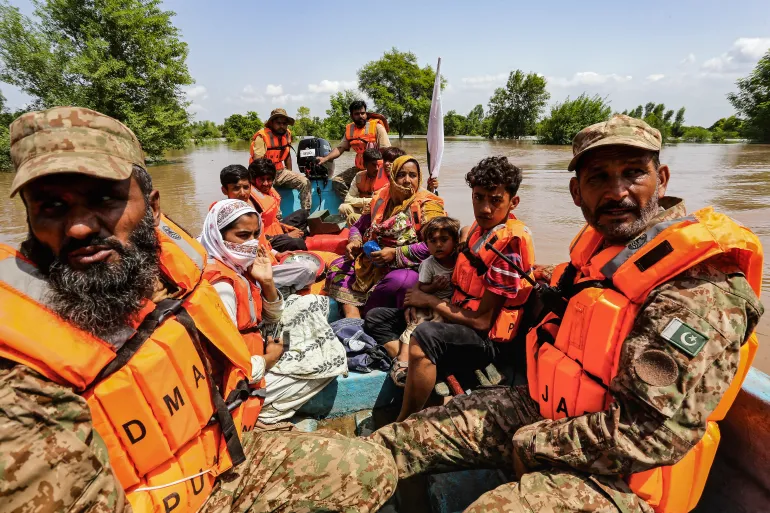
Ongoing assessments aim to quantify infrastructure damage and humanitarian need; the disruptions threaten education, health access, and conservation, compounding existing vulnerabilities.





Our Network
Our Channels

© 2026 Al Jazeera Media Network. All rights reserved.