

Prioritise Civilian Protection and International Legal Frameworks

© UNRCO Iran Tehran, the capital of Iran.
President Donald Trump’s public exhortation to Iranians to seize the moment for regime change, issued within hours of US‑Israeli strikes on Iran on 28 Feb 2026, revives an uncomfortable historical ledger: foreign‑backed regime removals rarely deliver stable democratic outcomes and often produce prolonged violence, as examples from Iran 1953, Iraq, Afghanistan and Latin America illustrate (Associated Press analysis, Tim Sullivan, 1 Mar 2026).
The White House’s use of precision strikes and signalling that it seeks leadership replacement contrasts with the absence of a coherent post‑strike political plan.
History suggests regime change is not a binary military problem, but a political transformation requiring domestic legitimacy, institutional buy‑in, and credible alternatives to the ruling elite. External facilitation can catalyse fractures, yet it also risks delegitimising successors as foreign proxies, enabling cycles of insurgency and repression.
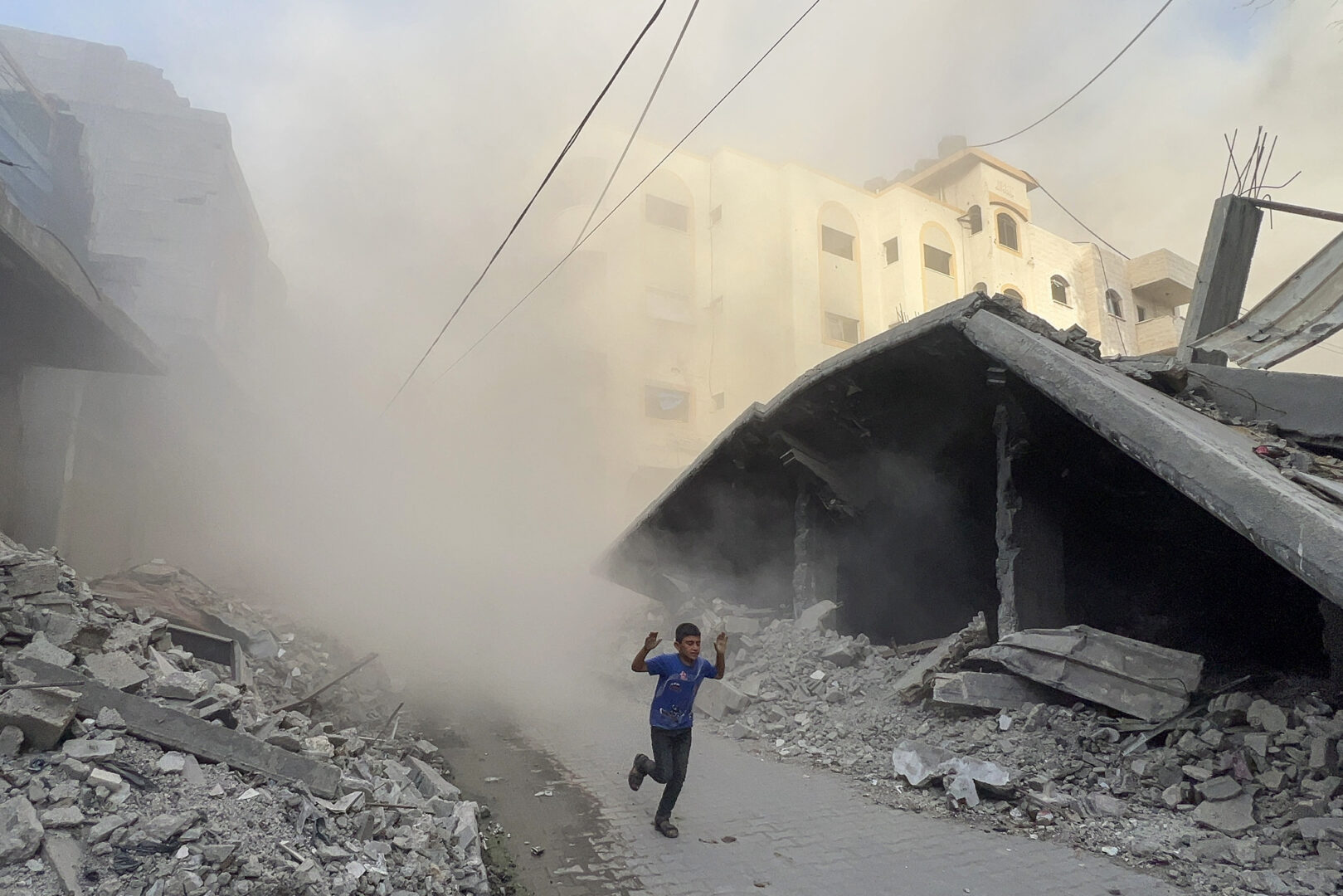
Human‑rights risks are profound: crackdowns, extrajudicial detentions, and civilian suffering often climb in the aftermath. The US faces a dilemma: sustain pressure without a political exit strategy risks long occupation‑style entanglement; withdraw prematurely risks chaos.
Policymakers should heed the past and prioritise civilian protection and international legal frameworks while seeking indigenous political solutions.
Sources: Associated Press analysis by Tim Sullivan, 1 Mar 2026; historical records on US interventions, 1953–2025.

Words That Kill …
Officials from the United States, Iran, and Israel are using rhetoric that signals dangerous contempt for the laws of war. The civilians caught in between will pay the price.
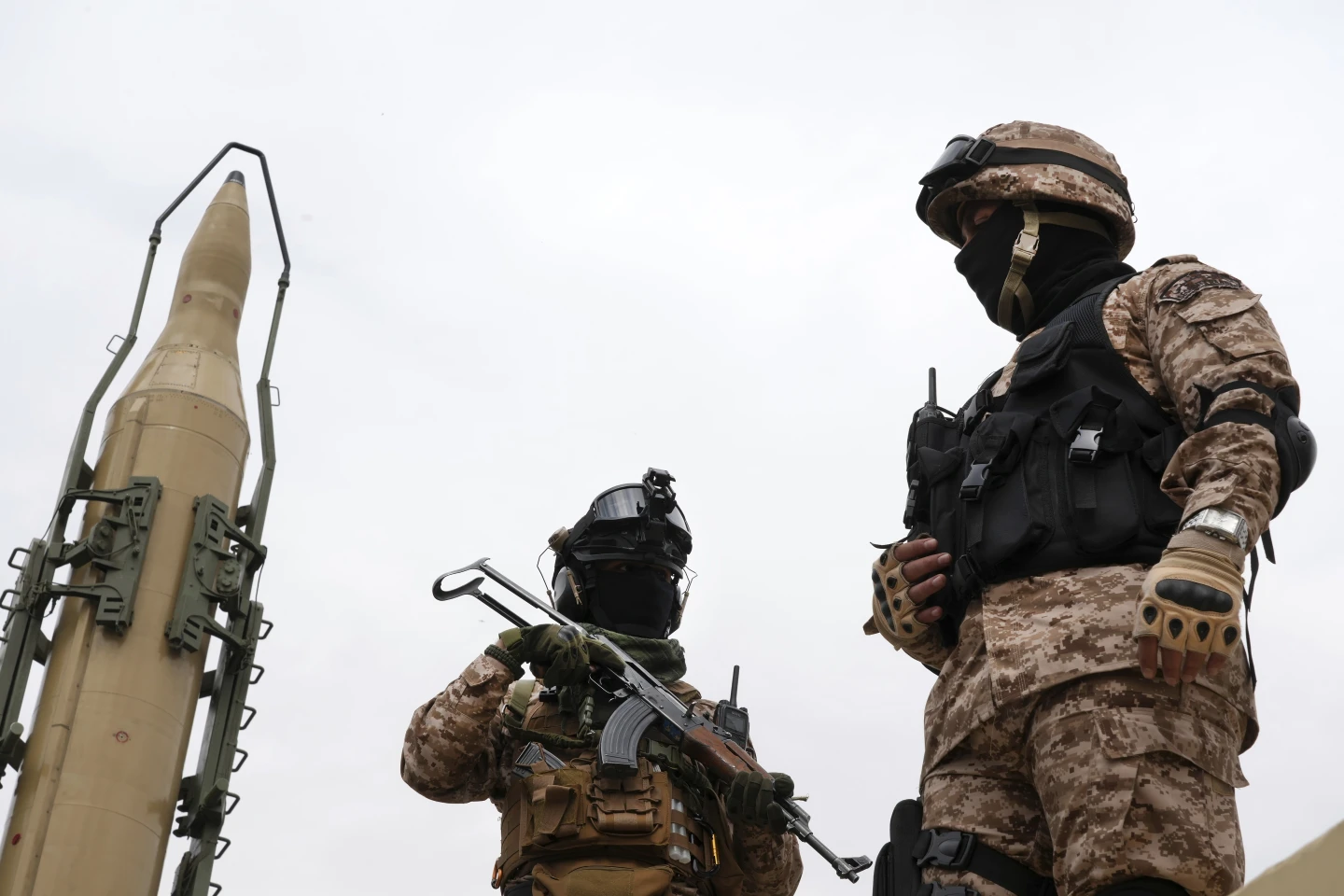
Iran War/Twelve Years Old and Fit for Duty!
Iran’s Revolutionary Guards are recruiting children as young as 12. Under international law, enlisting those under 15 is a war crime.



Our Network
Our Channels

© 2026 Al Jazeera Media Network. All rights reserved.