

Monsoon Misery Exposes Pakistan’s Frail Disaster Response
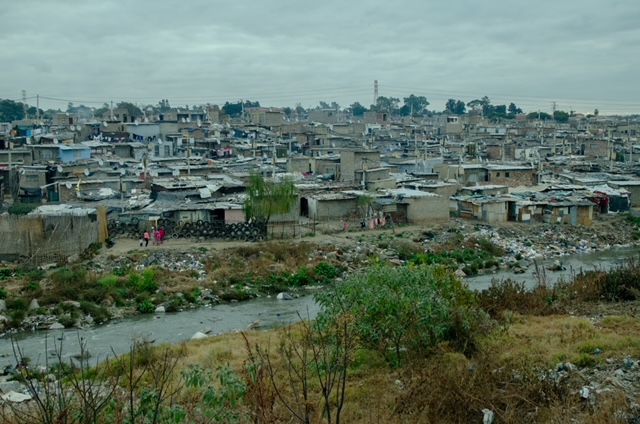
![Flood survivors gather near damaged houses along the banks of a river in the Buner district of mountainous Khyber Pakhtunkhwa province on August 17, 2025 [Abdul Majeed/AFP]](https://liberties.aljazeera.com/resources/uploads/2025/08/1755697208.webp)
Flood survivors gather near damaged houses along the banks of a river in the Buner district of mountainous Khyber Pakhtunkhwa province on August 17, 2025 [Abdul Majeed/AFP]
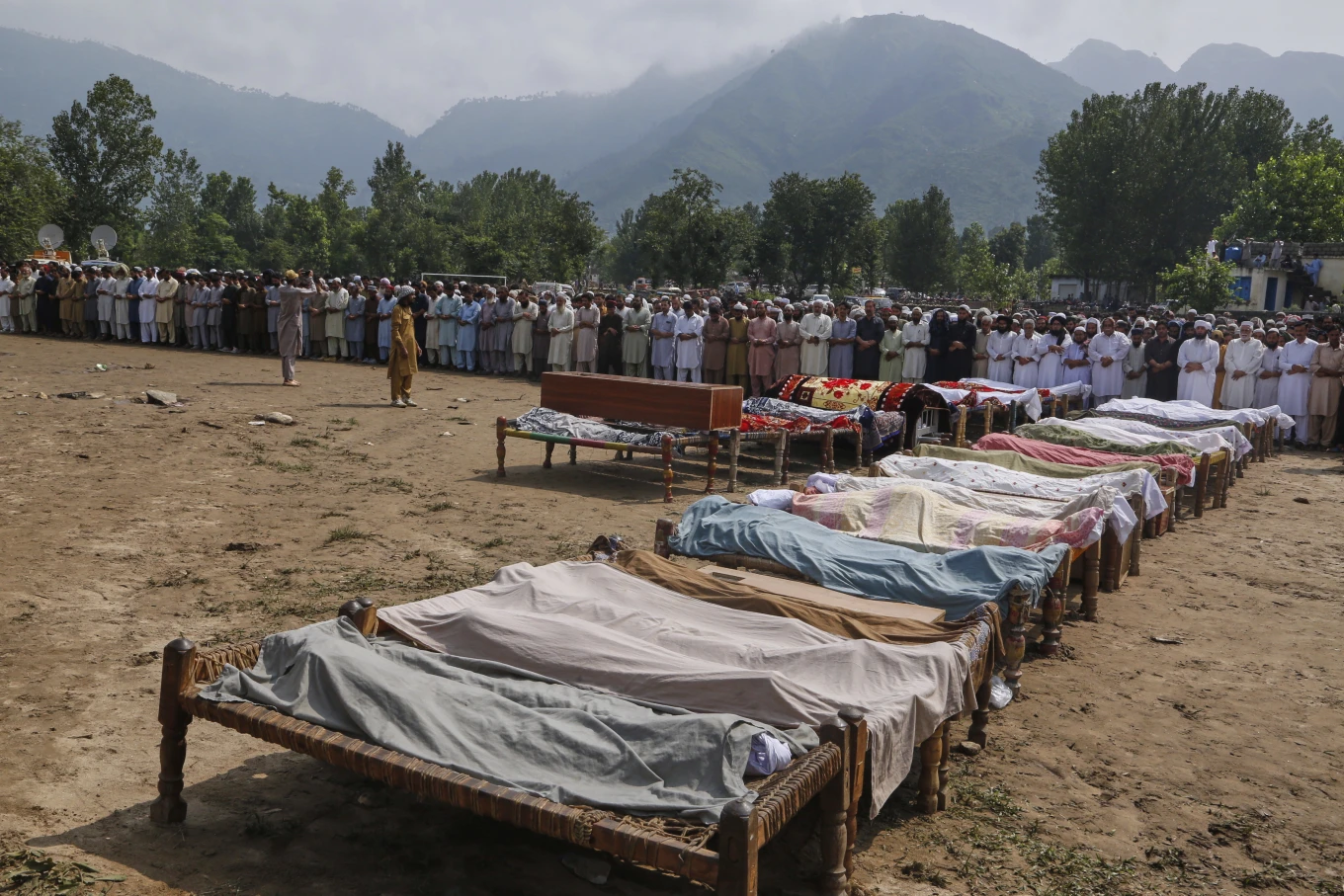
Pakistan is once again at the mercy of monsoon rains—and of its own faltering institutions. Since June 26th, torrential downpours have claimed more than 650 lives across the country, with dozens more missing. The worst of the devastation has been visited upon Khyber Pakhtunkhwa, a rugged, mountainous province bordering Afghanistan, where over 390 people have perished. The true toll is likely higher, with entire communities cut off by landslides and rising waters.
Survivors face a grim aftermath. Makeshift shelters are overcrowded, food and clean water are scarce, and the threat of disease looms. Yet many accuse the authorities of being as absent as the sun. Villagers say they received no warnings before rivers burst their banks and mudslides engulfed homes. In an ill-judged remark emblematic of official detachment, a senior politician suggested that locals ought to have built their homes elsewhere.
Relief efforts have been further hampered by continued rains and impassable roads. Emergency services, already stretched thin, are struggling to reach isolated areas. Pakistan’s response to natural disasters has long been hamstrung by poor planning, underinvestment, and a lack of coordination between federal and provincial bodies. As climate change intensifies the monsoon’s fury, those flaws are becoming ever more deadly.
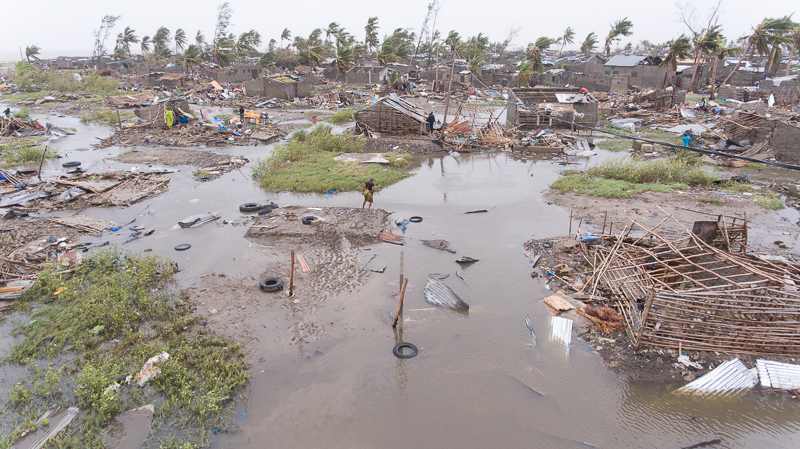
Mozambique, Flooding, and Imminent Dam Risk
The United Kingdom dispatched search-and-rescue teams on Tuesday and Thursday to support Mozambican authorities, underscoring an international response to a fast-moving humanitarian emergency.
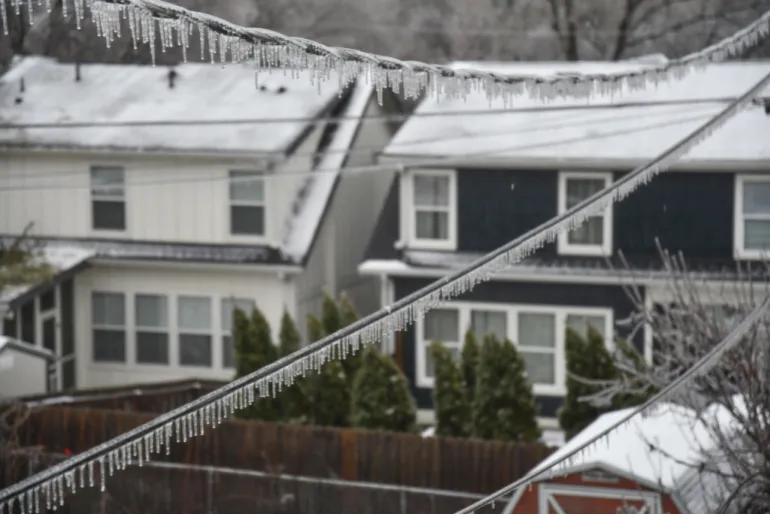
United States, Winter Storm, Transport Paralysis and Federal Emergency Declarations
President Donald Trump approved federal emergency disaster declarations for 12 states: South Carolina, Virginia, Tennessee, Georgia, North Carolina, Maryland, Arkansas, Kentucky, Louisiana,...







Our Network
Our Channels

© 2026 Al Jazeera Media Network. All rights reserved.