

The Enduring Scourge of Landmines
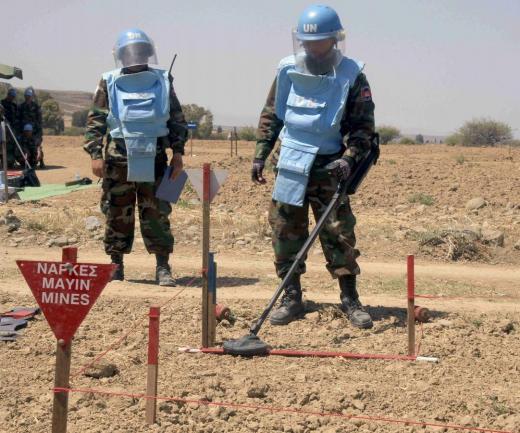
Archive/Al Jazeera
Somewhere in northern Iraq, a teenager reached for something in a field and lost his hand. The device that took it had been lying in wait, perhaps for years, patient in the way that only inert metal can be. It did not distinguish between a soldier and a schoolboy. It never does.
That story, one of thousands documented by the International Committee of the Red Cross, captures a central cruelty of anti-personnel mines and explosive remnants of war: their victims are overwhelmingly the people who had least to do with the conflicts that scattered them. In 2024, according to the ICRC, roughly 6,300 people were killed or injured by these weapons worldwide. Nine in ten were civilians. Nearly half were children.
The geography of contamination tells a story of conflicts past and present. From the Balkans to Southeast Asia, fields, roadsides, and abandoned villages bear the residue of wars whose combatants are long gone. The weapons they left behind respect no ceasefire. A cluster munition submunition from a 1970s air campaign can kill a farmer in 2026 as effectively as it could have killed a soldier half a century ago.
“Anti-personnel mines lack military utility and cause indiscriminate, generational harm” — a charge the ICRC has levelled for decades, and one that accumulating evidence continues to support.
The international community has not been idle. The Anti-Personnel Mine Ban Convention, concluded in Ottawa in 1997, represents one of the more successful exercises in humanitarian disarmament. It now counts 161 states as parties. More than 55 million stockpiled mines have been destroyed under its auspices. Mined areas have been cleared. Survivors have received, in theory if not always in practice, promises of assistance.
Yet the ICRC’s tone in its latest assessment is one of qualified alarm rather than satisfaction. Progress, it warns, is fragile. Several states have used or are alleged to have used anti-personnel mines in recent conflicts. Others have never acceded to the convention and show little sign of doing so. The gap between the treaty’s principles and conditions on the ground remains wide enough for children to fall into.
The case for the convention has always rested on a simple proposition: that no legitimate military objective justifies a weapon that indiscriminately kills civilians long after the fighting has ended, and that passes its murderous potential across generations like an inheritance no one asked for. That argument has not weakened with time. What has weakened, or at least stalled, is the political will to act on it.
━━━━━━━━━━━━━━━━━━━━━━━━━━━━━━━━━━━━━━━━

Upholding Human Rights: EU Foreign Ministers Must Address Palestinian Concerns on February 23
The EU’s lack of decisive action contradicts its commitments to human rights, necessitating measures like suspending the EU-Israel Association Agreement and imposing sanctions against...
The Politicization of Vaccine and Public Health
Kennedy, a well-known vaccine skeptic and activist, has long advocated for changes to federal vaccination guidelines. His assertions linking vaccines with autism, despite a robust body of...





Our Network
Our Channels

© 2026 Al Jazeera Media Network. All rights reserved.