



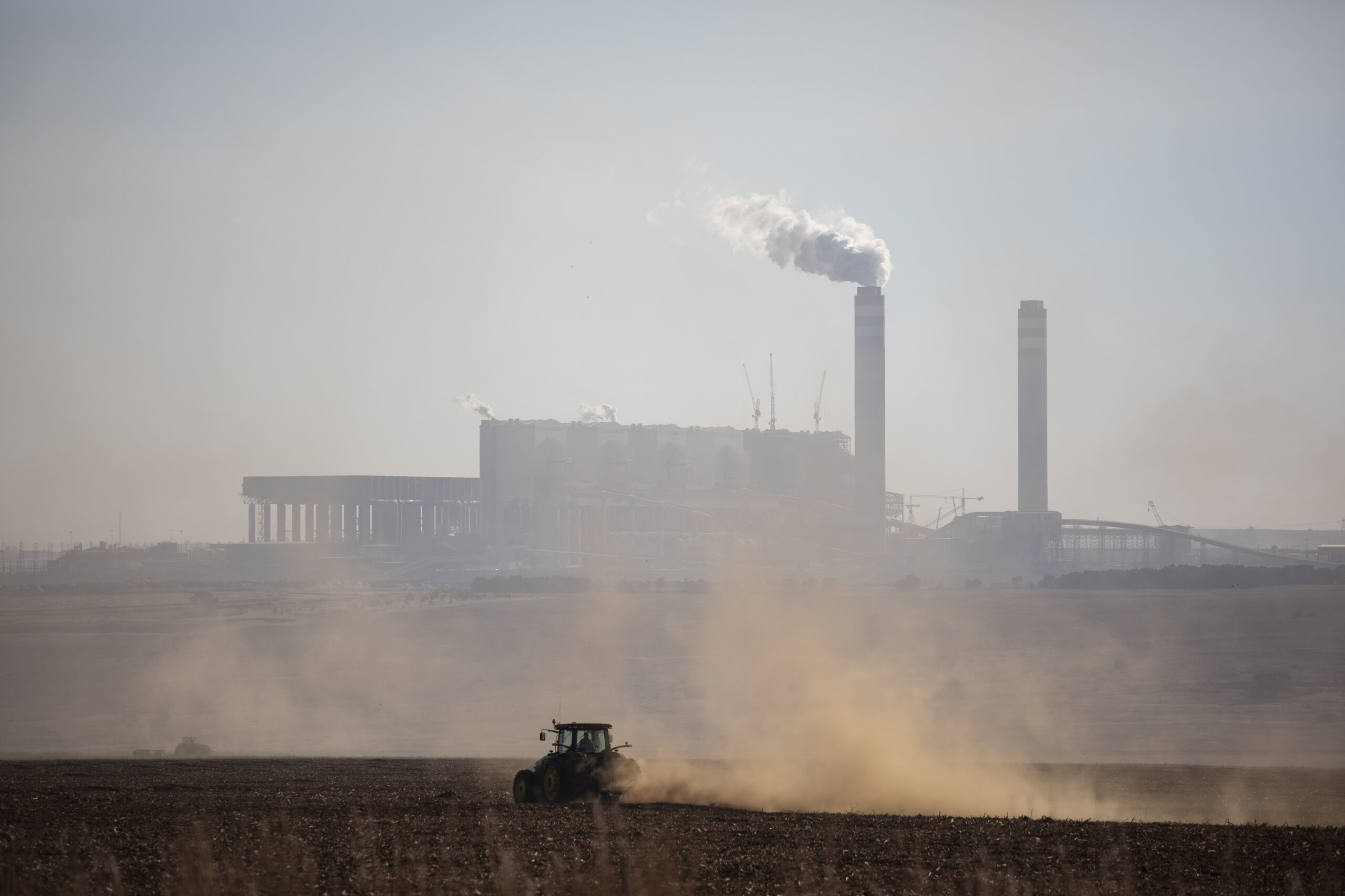
The technological landscape has changed so fast that the sentimentality evaporates.
The heat in Belém hangs over the city like a slow argument. Delegates stepping out of COP30’s tents find the air thick, as if the Amazon itself were offering commentary on the negotiations unfolding beneath its canopy.
Climate conferences are rarely remembered for poetry, but this one has been punctuated by a blunt recognition: the era of polite appeals is over, and the era of financial reckoning has arrived.
The ministers who gathered for the finance dialogue did not bother with diplomatic varnish.
Countries most exposed to the planet’s warming spoke less like petitioners and more like creditors demanding payment on an overdue account. Their claim is simple enough: without reliable capital, climate planning becomes a string of slogans; with it, the future becomes negotiable.
Annalena Baerbock, chairing the session with the sobriety of someone well acquainted with global tempers, described the task in terms that felt almost clinical. Global finance must be re-ordered, she argued, until the people at greatest risk no longer spend years waiting for funds that trickle in only after disasters have already levelled their towns.
Her argument wasn’t moralistic; it was mathematical. Poverty produces migration, migration stirs political instability, instability shrinks investment—an unlovely loop that no country can afford. A curious thing about this COP is how little patience there is for nostalgia. A decade ago, the Paris Agreement felt astonishing, almost cinematic.
But the technological landscape has changed so fast that the sentimentality evaporates.
Solar electricity, once considered a boutique option for optimists, has become the most affordable power available. Clean-energy investment has swollen into the trillions. And yet, not a single minister from an African delegation needed more than a sentence to puncture the self-congratulation: potential means very little when 600 million people still do their homework by candlelight.
Simon Stiell, who oversees the UN climate apparatus, addressed the delegates with the air of someone tired of euphemism. Finance, he said, is not the “supporting pillar” of climate action it is the action. Plans without funding are simply documents. Vulnerable states have heard promises for years; what they lack is predictability. And predictability, in finance, is everything.
His refrain—ambition grows when finance flows could have been dismissed as summit rhetoric were it not for the fact that it captured the mood outside the negotiating rooms. Businesses in Belém speak of the Amazon’s uncertainties the way traders speak of market volatility: as risk that can either be hedged or ignored at everyone’s peril.
The question floating over the conference, uncomfortable but unavoidable, is whether the world’s wealthier governments can treat climate finance not as charity but as a strategic investment in stability.
The rainforest surrounding Belém is not waiting for the answer; nor, increasingly, are the nations most exposed to climate harm.
They have grown weary of applause and eager for wiring instructions.
If this COP is to be remembered for anything, it will be whether the funding promises that once sounded like aspirations finally began to resemble actual transfers of money.
Everything else, as one negotiator muttered in the hallway, is decoration
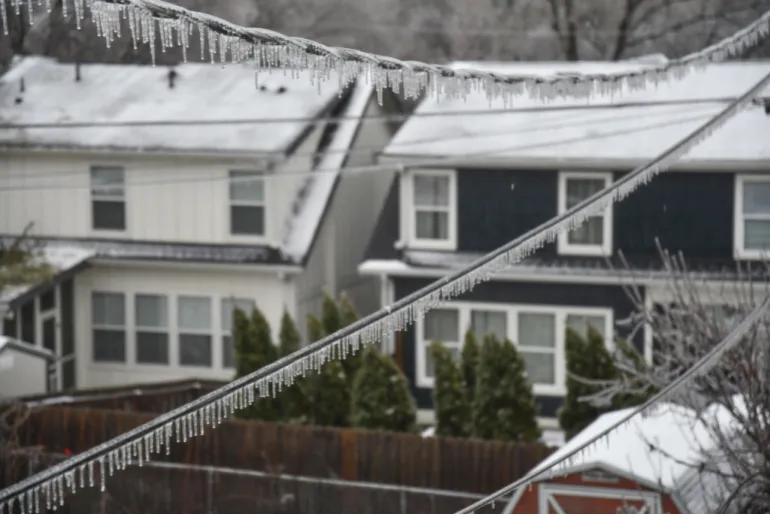
United States, Winter Storm, Transport Paralysis and Federal Emergency Declarations
President Donald Trump approved federal emergency disaster declarations for 12 states: South Carolina, Virginia, Tennessee, Georgia, North Carolina, Maryland, Arkansas, Kentucky, Louisiana,...

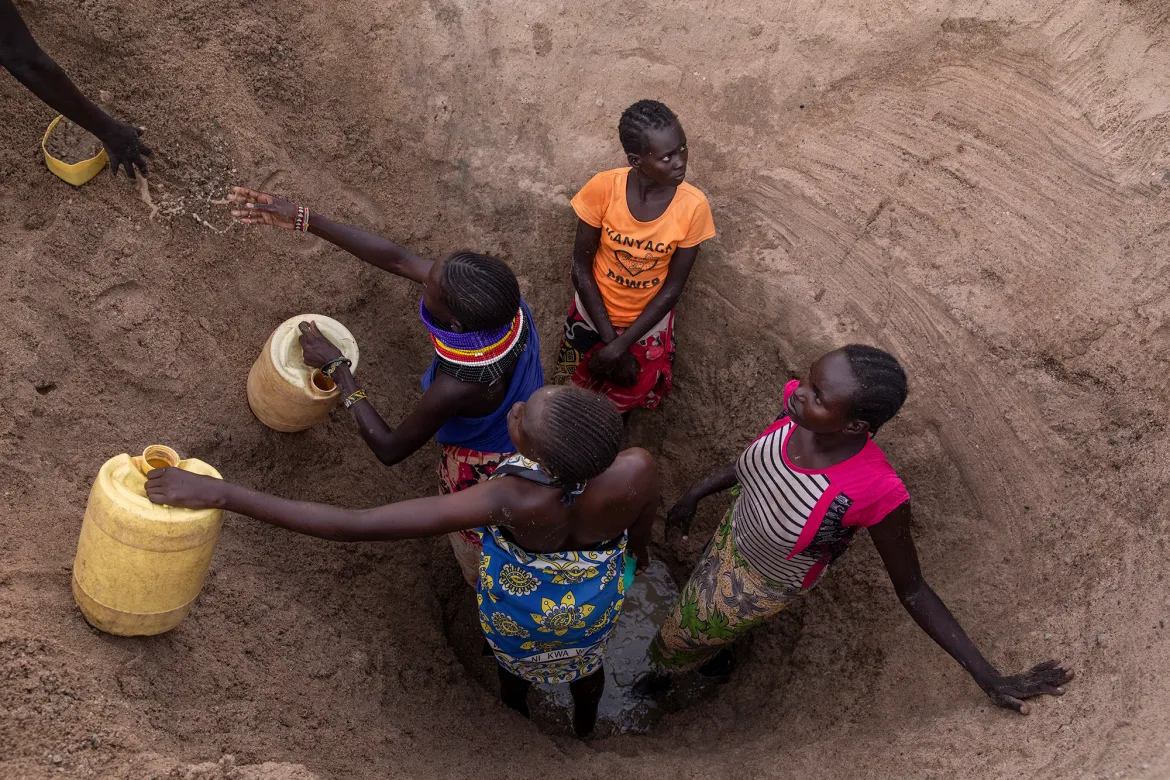
Human Rights, Floods, and the Erosion of Basic Services in Africa
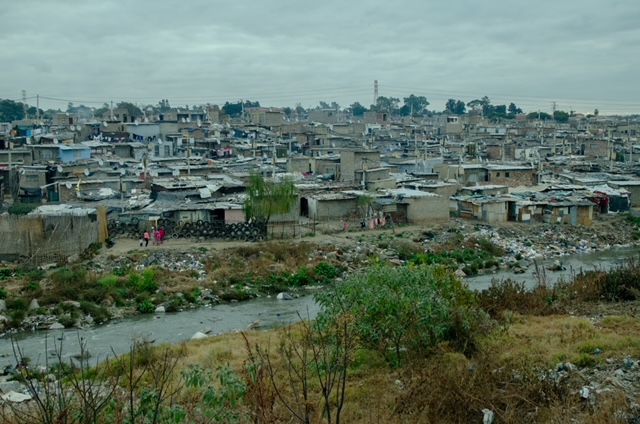
Ongoing assessments aim to quantify infrastructure damage and humanitarian need; the disruptions threaten education, health access, and conservation, compounding existing vulnerabilities.



Our Network
Our Channels

© 2026 Al Jazeera Media Network. All rights reserved.