


Swiss court hears landmark climate case against cement giant
![Low-lying Pari island sits off the northern coast of Java and was a popular destination with tourists [Peter Yeung/Al Jazeera]](https://liberties.aljazeera.com/resources/uploads/2025/09/1756894189.webp)
Low-lying Pari island sits off the northern coast of Java and was a popular destination with tourists [Peter Yeung/Al Jazeera]
A courtroom in Zug, the tidy Swiss canton better known for its favourable corporate tax rates than climate litigation, has become the unlikely setting for a landmark case. On September 3rd, four Indonesian fishermen from the island of Pari appeared before the court to argue that Holcim, one of the world’s largest cement producers, bears partial responsibility for the climate crisis that is threatening their home with rising seas.
The case, first filed in early 2023, is the first in Switzerland to test whether a private company can be held civilly liable for its role in global warming. The islanders are seeking a ruling that would compel Holcim to sharply reduce both its absolute and relative carbon emissions, provide compensation for the damage already sustained, and fund adaptation measures to protect what remains of their sinking island.
Before those claims can be weighed, however, the court must decide on a more fundamental question: whether foreign plaintiffs affected by climate change have standing in Swiss civil courts at all. The outcome will be closely watched by environmental lawyers and corporate counsel alike, not only for its potential to expand legal accountability for emissions, but also for its implications on transnational climate litigation.
Holcim, which relocated its headquarters from Zurich to Zug before its 2015 merger with France’s Lafarge, has said it is committed to sustainability and disputes the assertion that it should be singled out for a global problem. Cement production is a notoriously carbon-intensive industry, responsible for around 7% of global emissions. Whether that translates into legal liability may soon be for Swiss judges to decide.
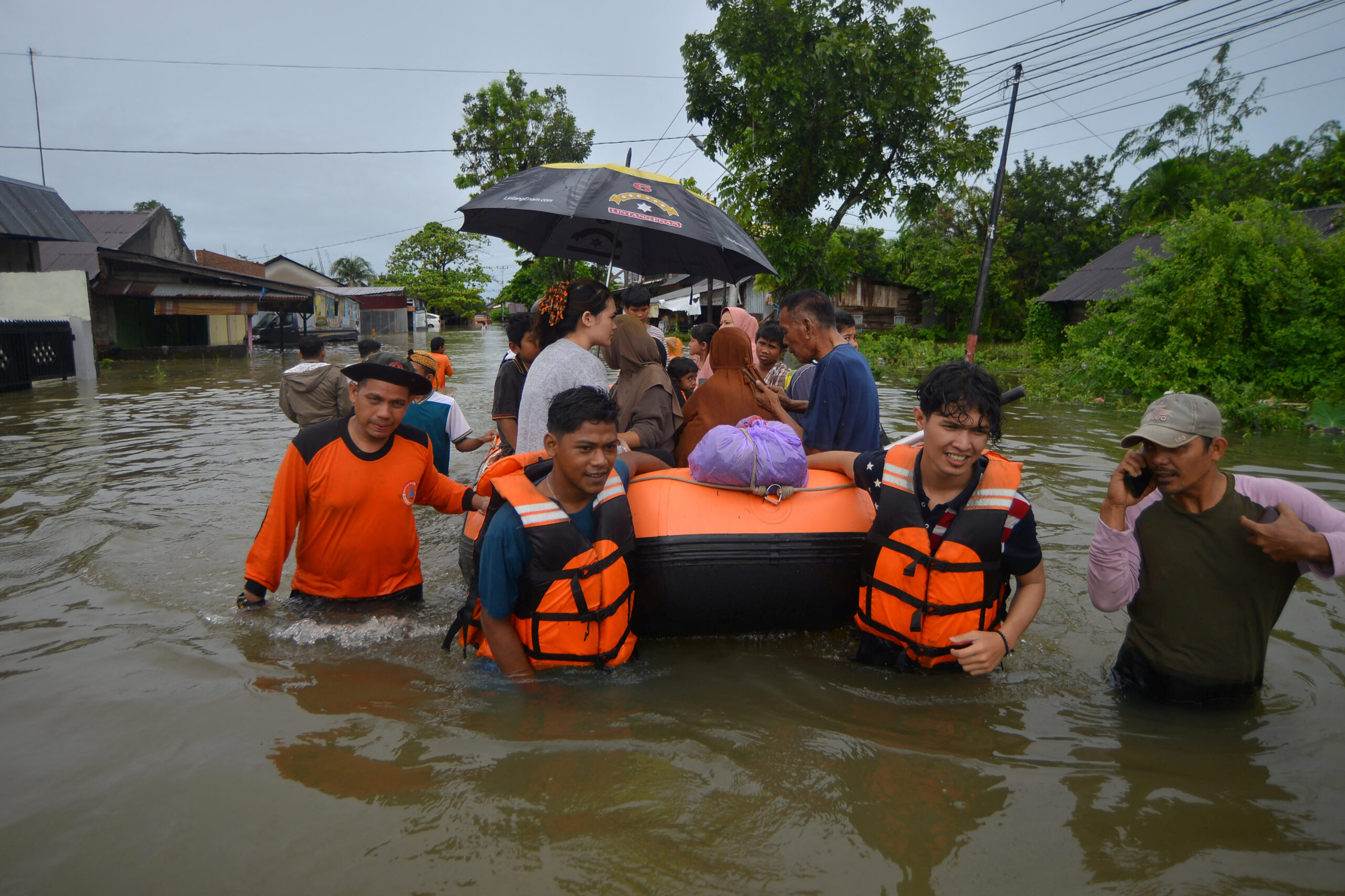
Indonesia, West Java Landslide, Search Continues
Local authorities ordered evacuations in known landslide-prone areas; ongoing rainfall complicates access and threatens further slope failures. The event is part of an increasingly frequent...
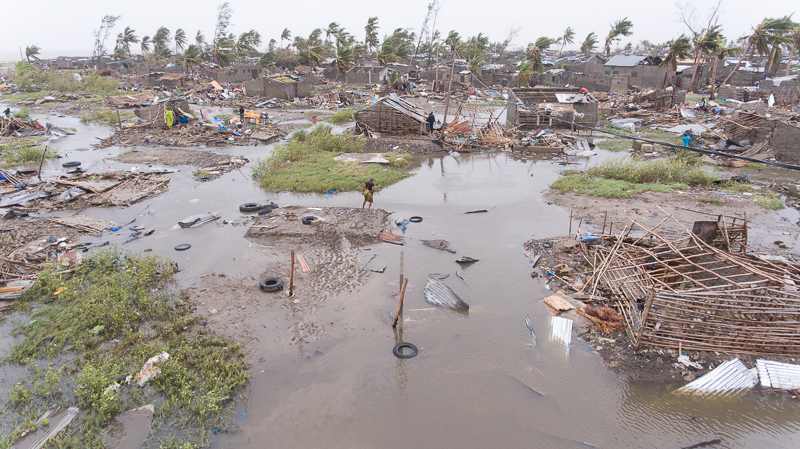
Mozambique, Flooding, and Imminent Dam Risk
The United Kingdom dispatched search-and-rescue teams on Tuesday and Thursday to support Mozambican authorities, underscoring an international response to a fast-moving humanitarian emergency.









Our Network
Our Channels

© 2026 Al Jazeera Media Network. All rights reserved.