

Sudan’s Agony Forces Geneva’s Hand
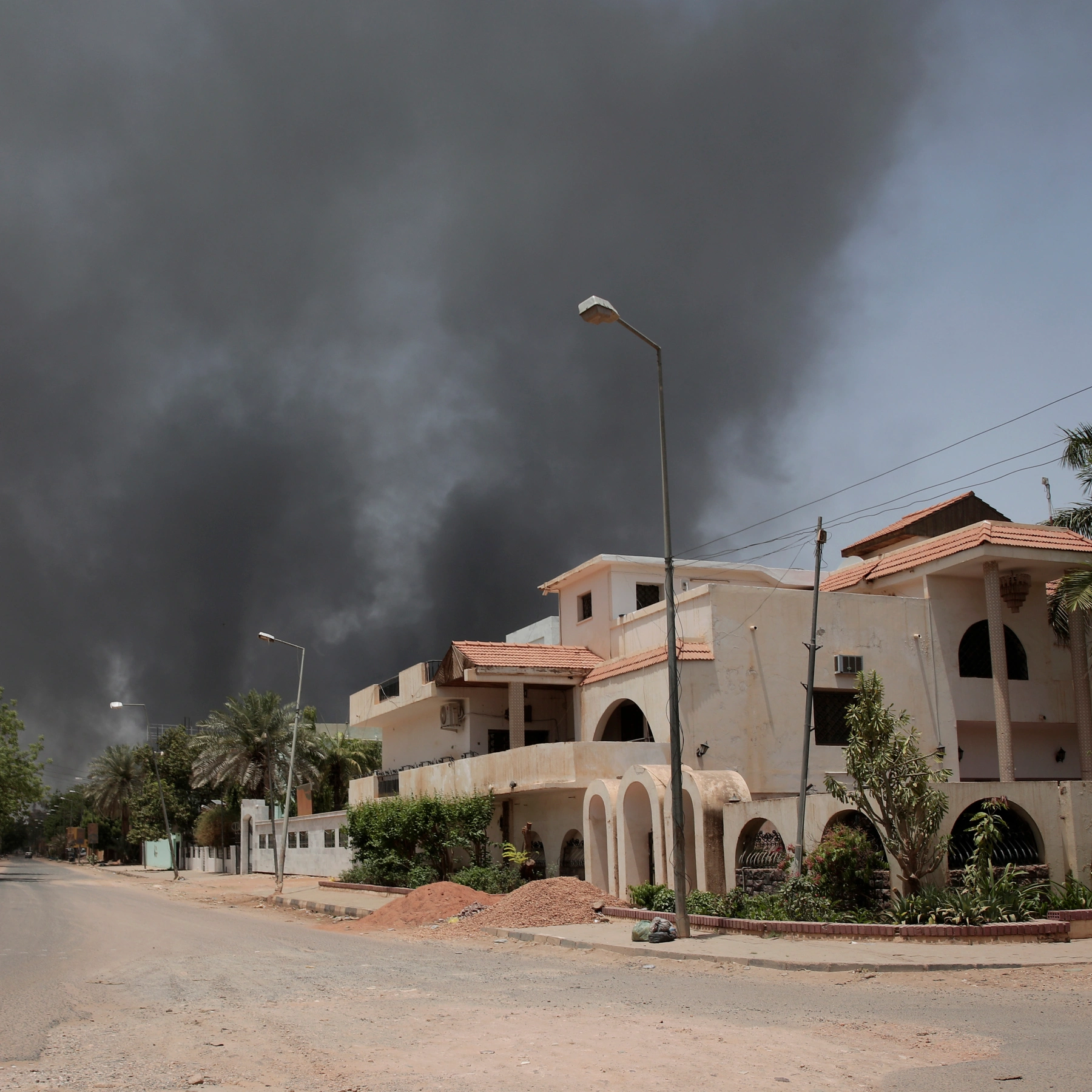
Archive/Al Jazeera.
Geneva does not often speak with one voice, but the special session on Sudan produced something close to unanimity. After months of grim reports from El Fasher, killings, rapes, bodies left uncollected, the Human Rights Council moved to establish a fact-finding mission with a mandate broader and blunter than usual.
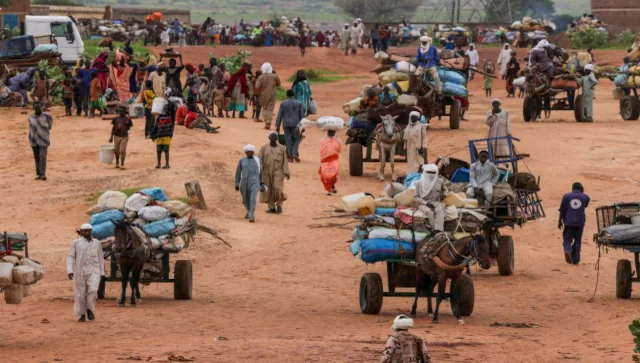
The fall of El Fasher to the RSF in October marked a turning point in a war already swollen with atrocities. What followed has been described by officials as a campaign designed less to win territory than to terrorise the population that remains. Witnesses speak of university halls turned into execution sites, of trenches dug for mass graves, of families fleeing under drone fire. Volker Türk, the UN’s human-rights chief, addressed the Council with unusual severity.
Too often, he said, governments stage concern without action. His warning extended beyond Darfur. Violence is rising in Kordofan, a region whose strategic location between army- and RSF-held areas makes it particularly vulnerable to siege tactics. The new mission’s task will not be small.
It must document crimes in areas where access is perilous, gather evidence from survivors scattered across borders, and produce findings that carry legal weight. Whether any of this can alter the trajectory of the war is unclear. Humanitarian agencies remain blocked from reaching trapped civilians.
The RSF, flushed with territorial gains, appears confident.
The army, pushed eastward, is fighting with its back against political collapse.
Still, even symbolic measures matter. For victims in Sudan, international silence has often been the most corrosive cruelty.
A formal investigation will not halt the violence, but it does signal that the world, however belatedly, is watching and that the record of what has happened will not be lost to the dust of ruined cities.
War Without Shelter
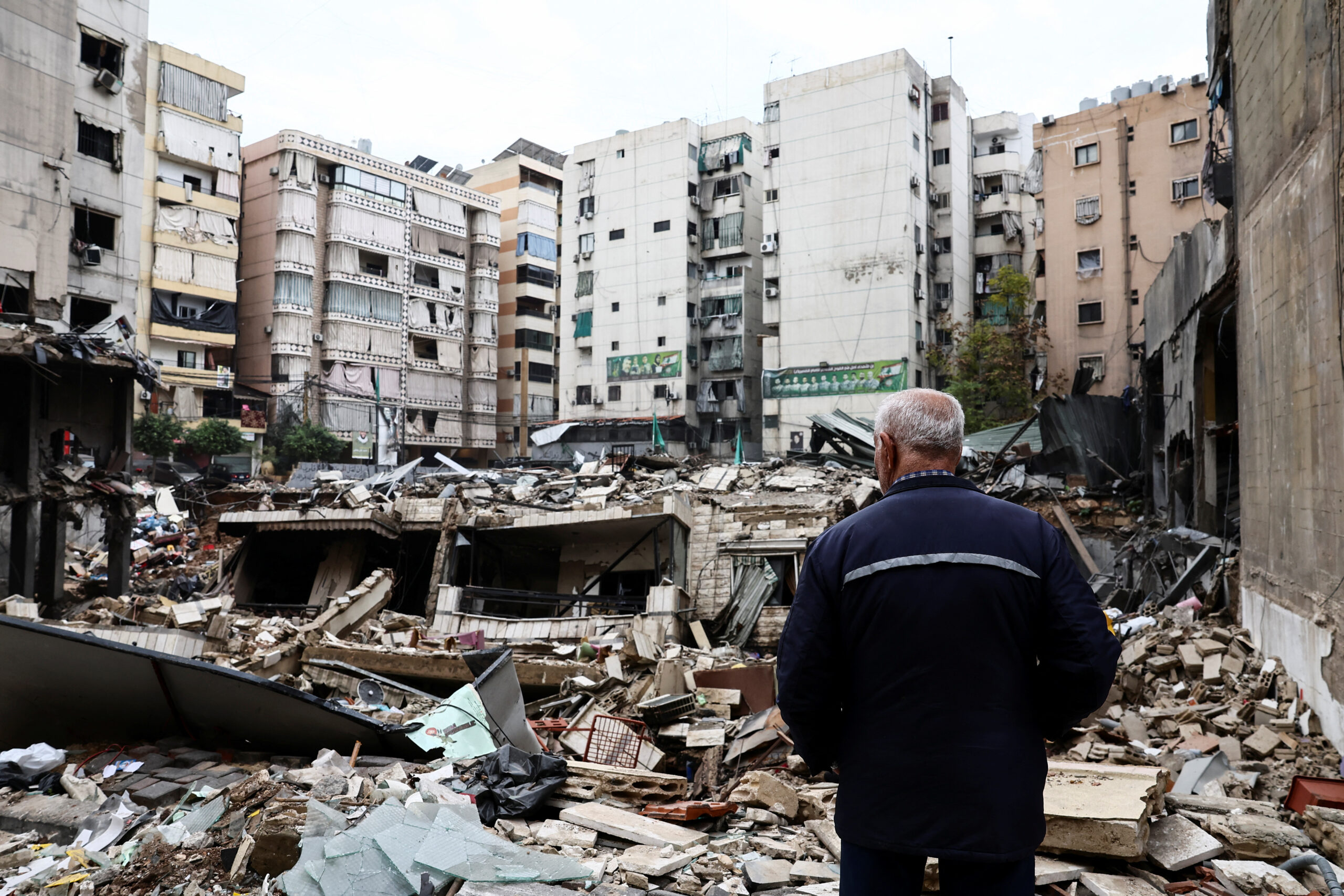
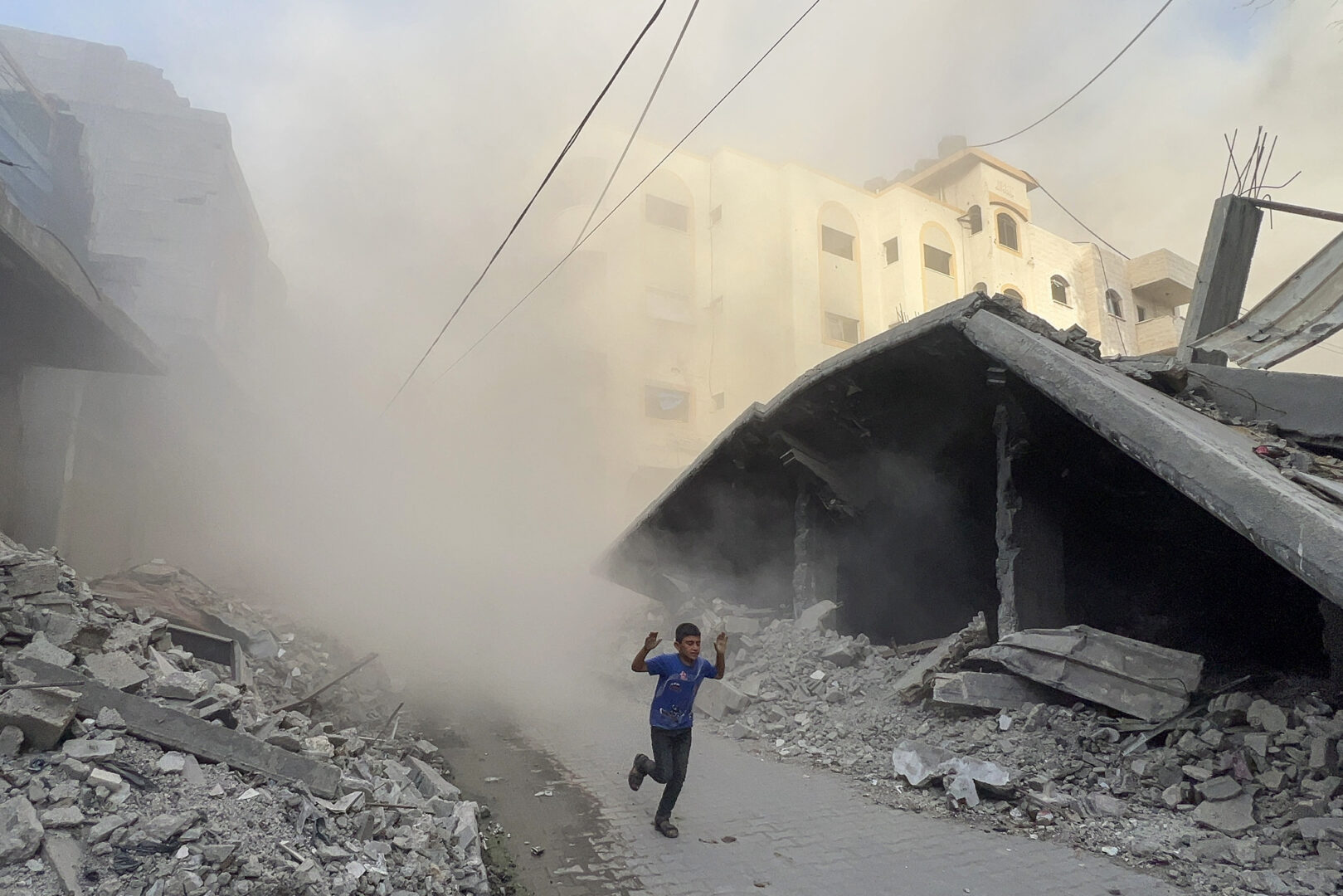
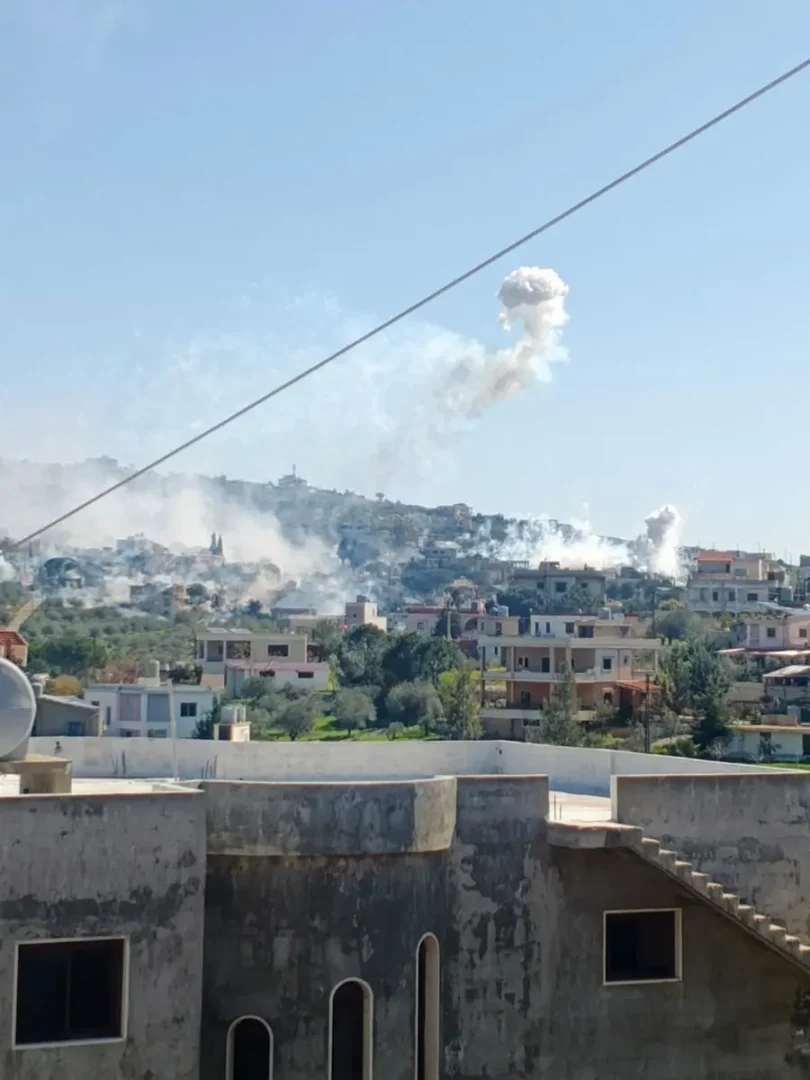
In Lebanon, Israeli strikes on targets linked to Hezbollah have intensified, often with less than an hour’s warning. Bridges destroyed in southern Lebanon have cut off entire districts,...
A War Spiralling Out of Humanitarian Law Control
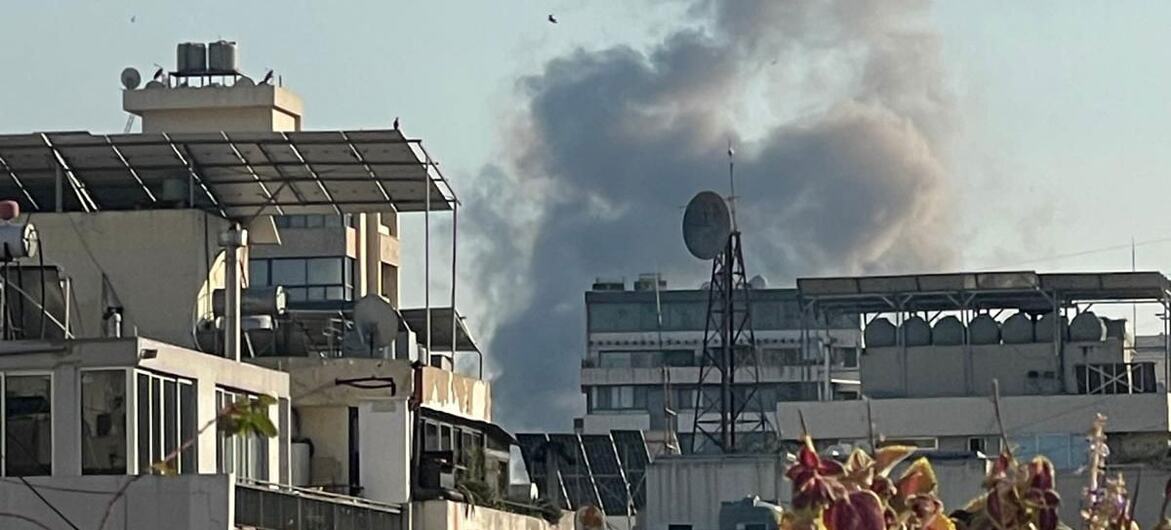
Strikes on Iran by the US and Israel have left more than 82,000 civilian structures damaged or destroyed, according to the Iranian Red Crescent Society.
Lebanon’s Spillover and Gaza’s Board of Peace
The council’s exchanges on 03/24/2026 underscored an urgent human rights imperative: protect civilians across borders, ensure aid corridors such as Rafah and Kerem Shalom remain open, and make...


Our Network
Our Channels

© 2026 Al Jazeera Media Network. All rights reserved.