


Pakistan’s Monsoon Floods Worsen as Millions Face Displacement and Death
![Pakistani soldiers ferry flood-affected villagers by boat from the Muzaffargarh district in Punjab province on September 3, 2025 [Shahid Saeed Mirza/AFP]](https://liberties.aljazeera.com/resources/uploads/2025/09/1757238385.webp)
Pakistani soldiers ferry flood-affected villagers by boat from the Muzaffargarh district in Punjab province on September 3, 2025 [Shahid Saeed Mirza/AFP]
At least five people were killed and more than a dozen rescued on Saturday after a boat ferrying residents capsized amid severe flooding in southern Punjab’s Multan district. The boat was overwhelmed by strong currents caused by swollen rivers, part of a devastating pattern of flooding that has gripped Pakistan since late June.
This year’s monsoon rains have unleashed Pakistan’s worst flooding on record, affecting over four million people in Punjab alone. The floods have destroyed thousands of homes, ravaged farmland, and wiped out livestock, leaving communities struggling to cope with the scale of devastation. Rescue teams have evacuated approximately 1.8 million people trapped by rising waters, relocating them to emergency shelters across the affected regions.
The disaster is compounded by a fresh surge of water from the converging Ravi and Chenab rivers into the Indus River, which flows through Pakistan’s heartland. India’s recent decision to open overflowing dams upstream has added to the already swelling waterways, raising fears for major urban centres in Punjab and Sindh provinces, including the populous city of Karachi.
Pakistan has a history of devastating floods, but the current crisis stands out for its unprecedented scale and impact. Since June 26, official figures report 884 deaths nationwide: 489 in Khyber Pakhtunkhwa, where mountainous terrain exacerbates flash floods, and 223 in Punjab, the country’s most populous province. Sindh and Balochistan provinces have also seen severe flooding and loss of life.
Climate scientists warn that Pakistan’s vulnerability to such extreme weather events is increasing due to climate change. Rising temperatures contribute to more intense monsoon rains and glacier melt in the Himalayas, feeding the rivers that flood the plains below.
The government faces mounting challenges in providing relief and rebuilding infrastructure. Floodwaters have damaged roads, bridges, and critical utilities, slowing aid distribution. International aid agencies have mobilised to assist, but the scale of the crisis demands a sustained and coordinated response.
As Pakistan braces for continued heavy rains in the coming weeks, the unfolding disaster underscores the urgent need for long-term investment in flood management, climate resilience, and disaster preparedness across the region.
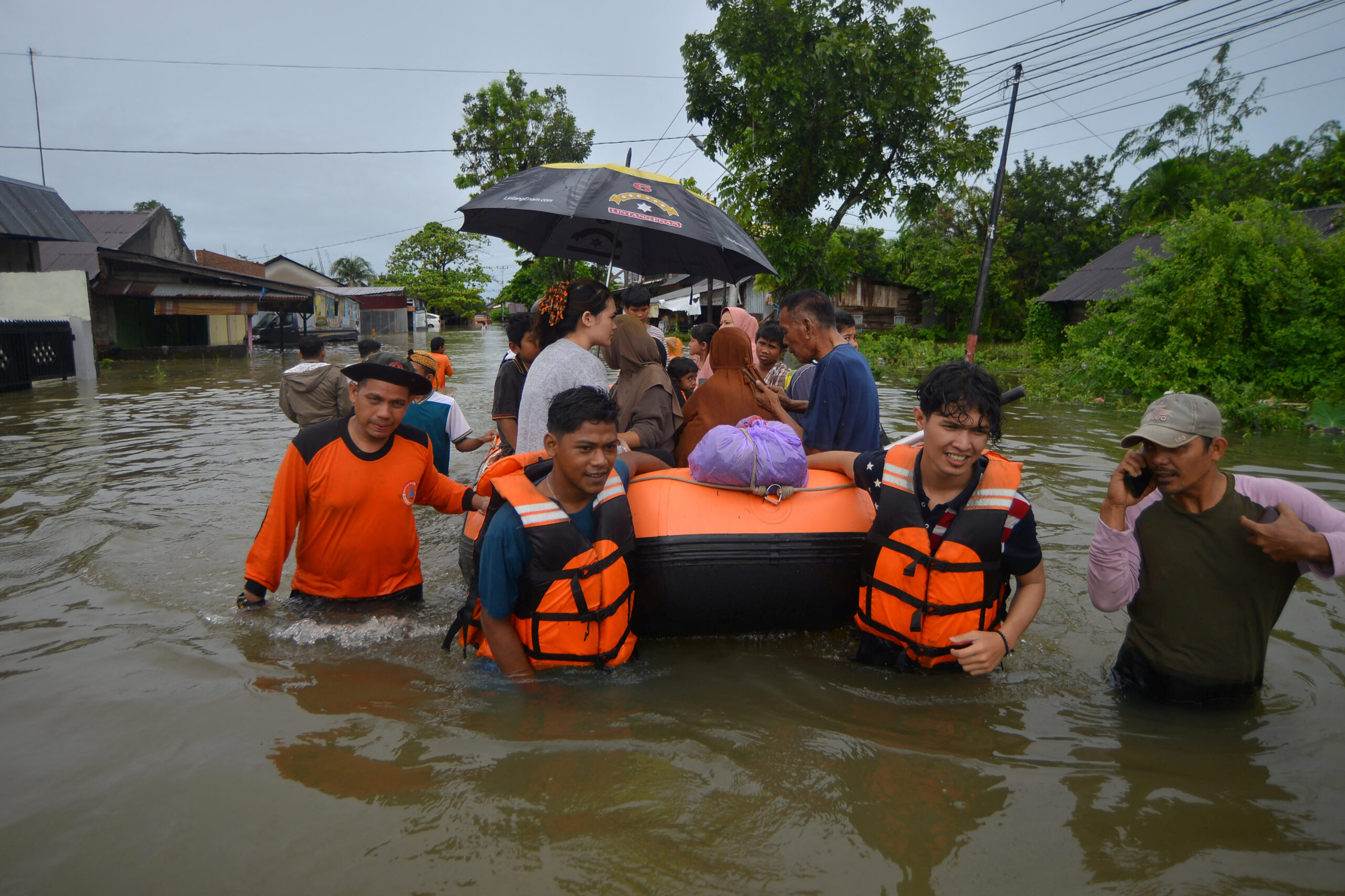
Indonesia, West Java Landslide, Search Continues
Local authorities ordered evacuations in known landslide-prone areas; ongoing rainfall complicates access and threatens further slope failures. The event is part of an increasingly frequent...
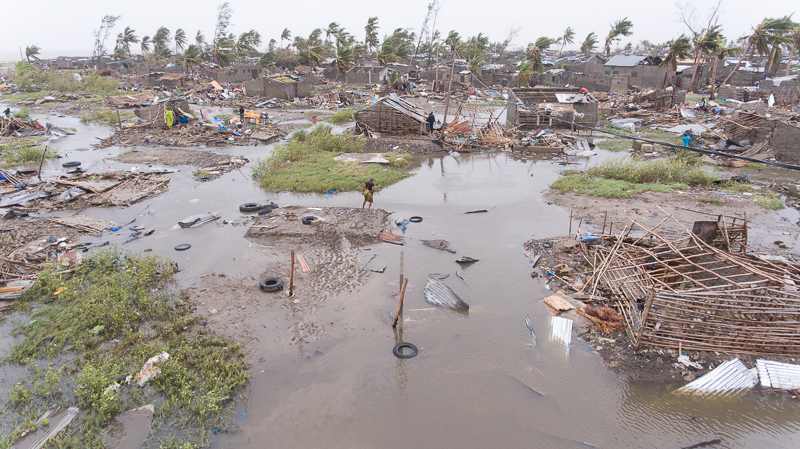
Mozambique, Flooding, and Imminent Dam Risk
The United Kingdom dispatched search-and-rescue teams on Tuesday and Thursday to support Mozambican authorities, underscoring an international response to a fast-moving humanitarian emergency.


- Most Viewed
- Most Popular








Our Network
Our Channels

© 2026 Al Jazeera Media Network. All rights reserved.