

Gaza’s Women: Surviving at the Frontline of Destruction

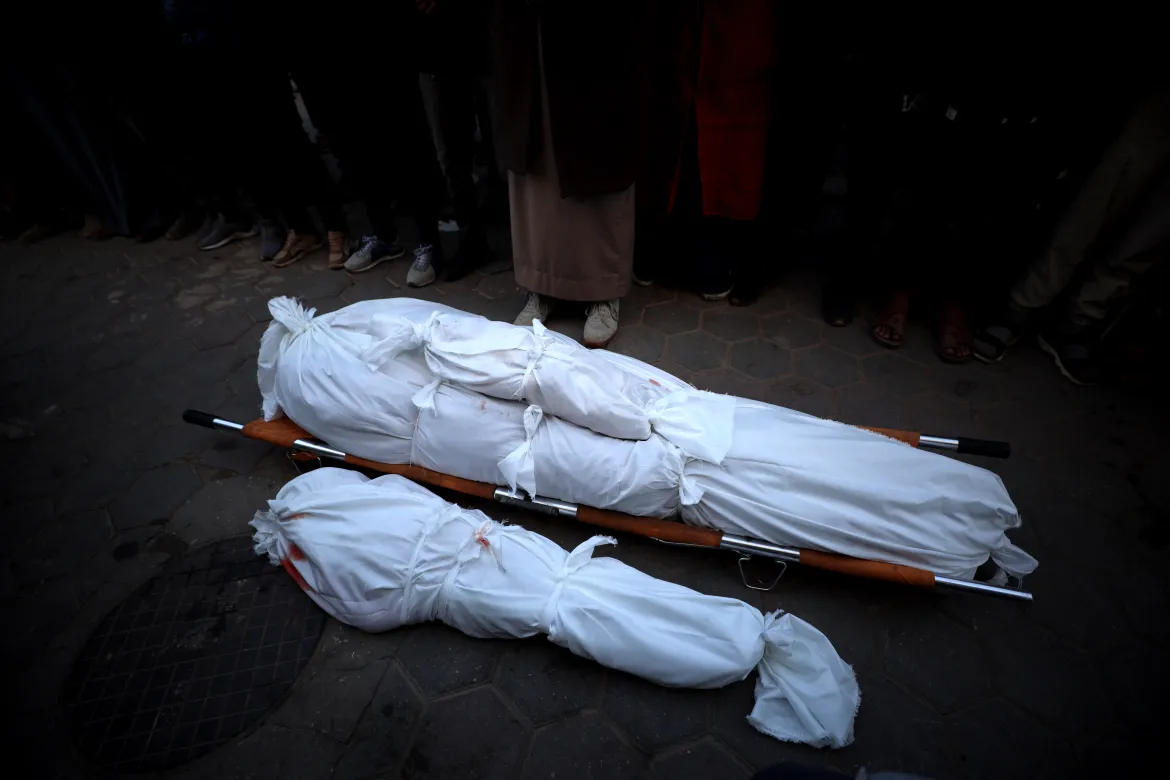
Palestinian women outside al-Shifa hospital after members of their family were killed in an Israeli airstrike in Gaza City, 29 August 2025. Photograph: Mohammed Saber/EPA
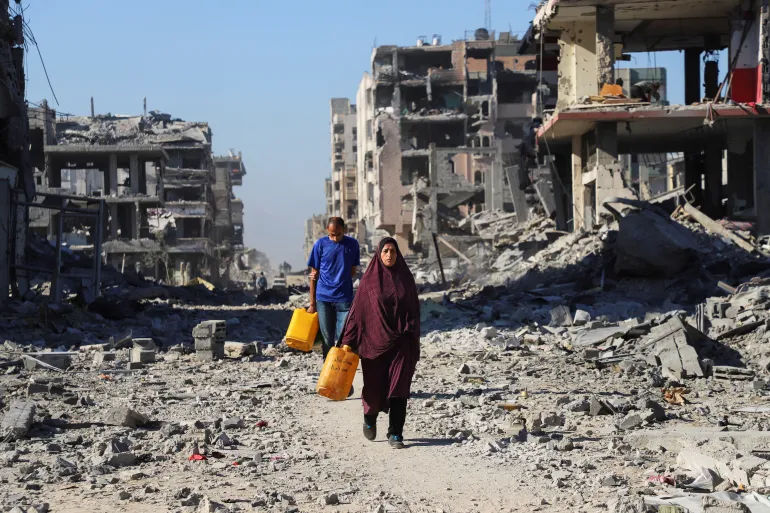
Since Israel’s assault on Gaza began in October 2023, Olfat al-Kurd, a field researcher for B’Tselem, the Israeli Information Centre for Human Rights in the Occupied Territories, has lost her father, her brother … all still buried under rubble. Her home in the Shuja’iyya neighbourhood of Gaza City was destroyed by Israeli bombing. After six displacements, she escaped with her family to Egypt in April 2024. Her account, and those she has collected from women still inside Gaza, offer a window into what she describes as a systematic dismantling of Palestinian life.
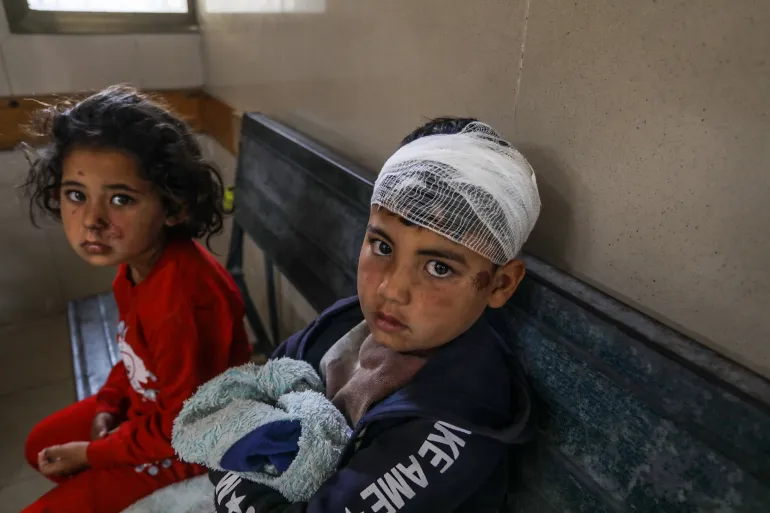
The scale of harm visited upon women has been staggering. A recent United Nations report found that Israel has killed more than 38,000 women and girls in Gaza since the war began, with a further 11,000 sustaining injuries that will cause lifelong disabilities. Many women have become sole providers for their families. Countless others have been left without shelter or protection, and many have lost children or entire family units.
Before the war, al-Kurd documented human rights violations in Gaza for B’Tselem. Her family sustained a life of what she calls dignity and continuity, with walks along the Gaza seafront and visits to relatives at Jabaliya refugee camp. Those places, she notes, have since been destroyed. When her family fled in October 2023, they first took shelter in al-Shifa hospital, surrounded by the wounded and the dead, before being ordered to evacuate northern Gaza. A succession of shelters followed: al-Mughraqa, then Khan Younis, where they slept in a tent under heavy rain inside a crowded UNRWA facility, then Rafah, before the final crossing into Egypt.
The testimonies she has gathered for a report on Palestinian women under what she terms genocide describe suffering that extends well beyond immediate material deprivation. Safaa al-Farmawi watched her 15-year-old daughter Ghazal shot and killed at an aid distribution Centre in Rafah while the girl was trying to collect food. Women spend hours each day cooking over open fires, hand-washing clothes and searching for firewood. Healthcare and education systems have collapsed. Many children have died from severe malnutrition. Pregnant women have largely been unable to attend medical check-ups, and dietary deficiencies have led to malnutrition among newborns. Many mothers have been unable to breastfeed due to their own poor nutritional condition, leaving infants dependent on formula milk that has been scarce or entirely unavailable.
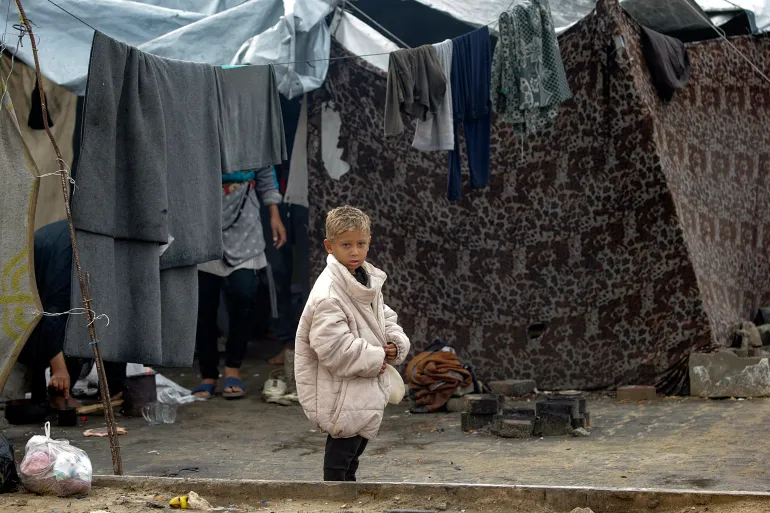
The collapse of basic infrastructure has reshaped intimate aspects of daily life. Entire families occupy single tent spaces with no sanitation. Menstrual hygiene products have been so scarce that women have resorted to cutting up clothing and folding it into makeshift pads. “A very difficult and disgusting situation,” one mother of six described it. The psychological toll is no less severe. “My life has been destroyed and turned into an ongoing tragedy. My soul is tired. My heart aches,” said Nabilah Abd a-Nabi, a 50-year-old mother of six from northwest Gaza City.wq1
Al-Kurd argues that the treatment of women is the most revealing lens through which to understand what is happening in Gaza. It is not only, she contends, the direct killing of those who bear the next generation of Palestinians. It is the methodical destruction of women’s capacity to sustain life: to feed children, to nurture them, to keep them safe. Despite all of this, she insists, Gaza’s women continue to resist and endure.
Sources: Olfat al-Kurd, The Guardian, May 25, 2026; B’Tselem, Israeli Information Centre for Human Rights in the Occupied Territories; United Nations report on women and girls killed and injured in Gaza, 2024.
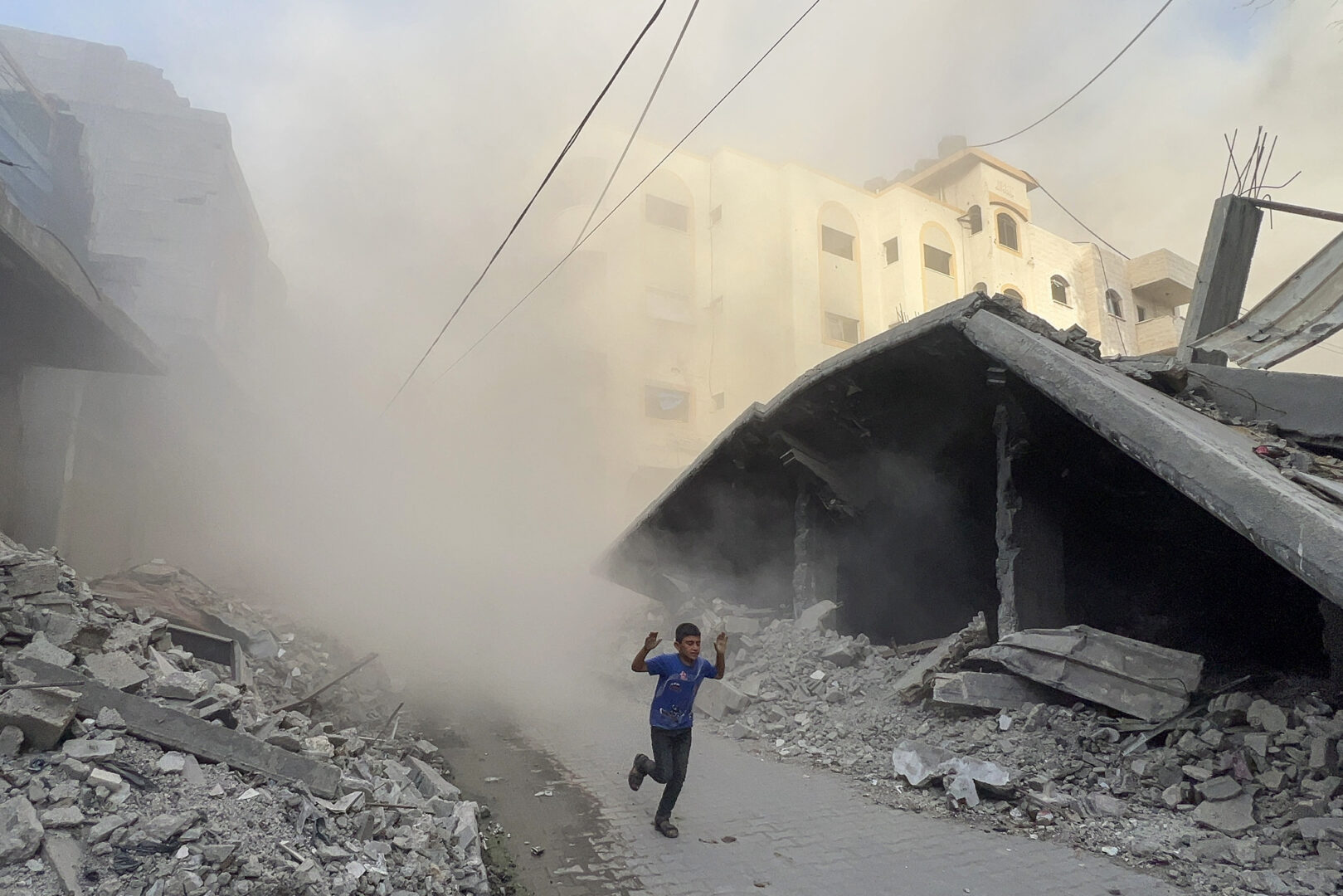
Israel, security cabinet deliberations, Rafah and Iran on the agenda
Reuters reported on Friday that Israeli plans may restrict entries into Gaza through Rafah to ensure more people leave than enter, underscoring Israeli security-driven limits on humanitarian...

Gaza Phase 2
The plan of the Wednesday includes demilitarization, technocratic governance, and reconstruction.


Our Network
Our Channels

© 2026 Al Jazeera Media Network. All rights reserved.