
Eastern Mediterranean: Health Under Siege

At the World Health Organization’s 72nd Regional Committee session in Cairo, delegates confronted a stark picture of health emergencies stretching across the Eastern Mediterranean.
With more than 115 million people in need, nearly one in six in the region, the WHO is battling 15 major crises, eight of them at the highest emergency level.
Dr Hanan Balkhy, WHO’s Regional Director, warned that war, disaster, and dwindling aid threaten to turn “dark times” darker still, while humanitarian support has sunk to record lows.
Funding gaps have left the Global Humanitarian Response Plan 80% short of its target.
Despite the strain, WHO continues to prop up collapsing health systems.
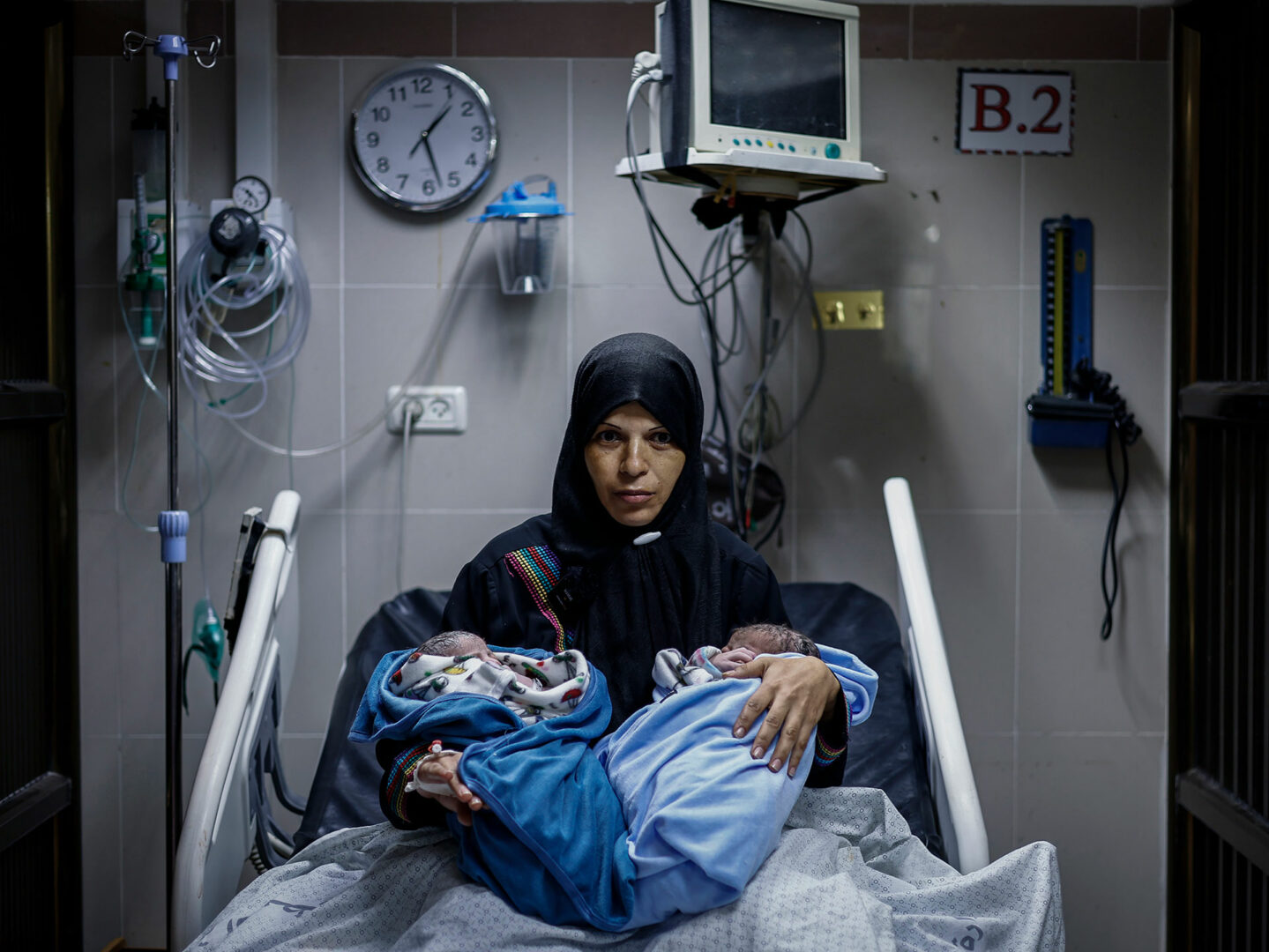
In Gaza, it has become the largest supplier of medicines and equipment, enabling more than 22 million treatments since 2023 and evacuating thousands of patients.
In Sudan, it has kept hospitals open, delivered cholera vaccines to 17 million people, and treated tens of thousands of malnourished children.
After Afghanistan’s latest earthquake, emergency teams and supplies were deployed within a day.
Officials warned that the organisation’s emergency work, already its most overstretched division, is being undermined by funding shortfalls.
Both Balkhy and Dr Annette Heinzelmann, WHO’s acting regional emergency director, urged governments to increase predictable financing, uphold humanitarian law, and strengthen preparedness.
“Preparedness is not a cost,” Heinzelmann told ministers. “It is an investment in peace, stability, and the lives of our people.”
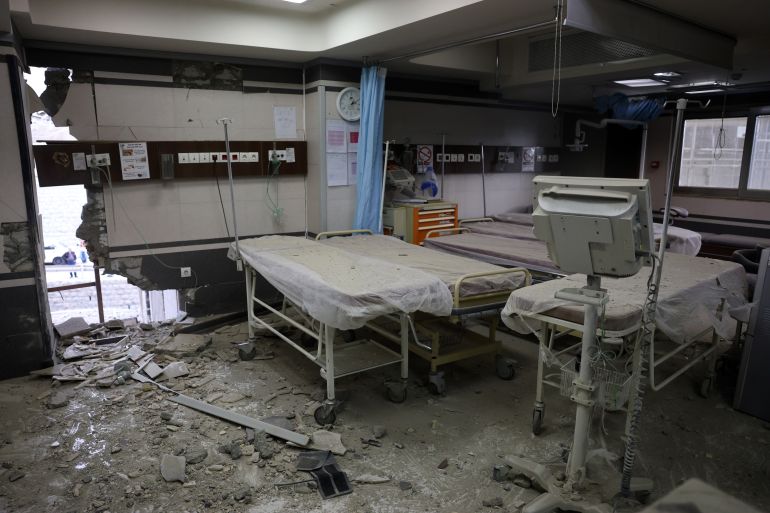
WHO Urges Protection of Civilians and Healthcare Amid Middle Eastern Tensions
The WHO’s plea underscores a growing concern as the situation intensifies. Balkhy further urged all parties involved in the conflict to ensure that medical facilities remain secure,...
The Human Cost of Military Aggression
UNESCO’s statement underscores that international humanitarian law mandates protection for pupils in educational settings and that attacks on schools fundamentally jeopardize the right to...
Air, Climate Policy and Bodily Autonomy
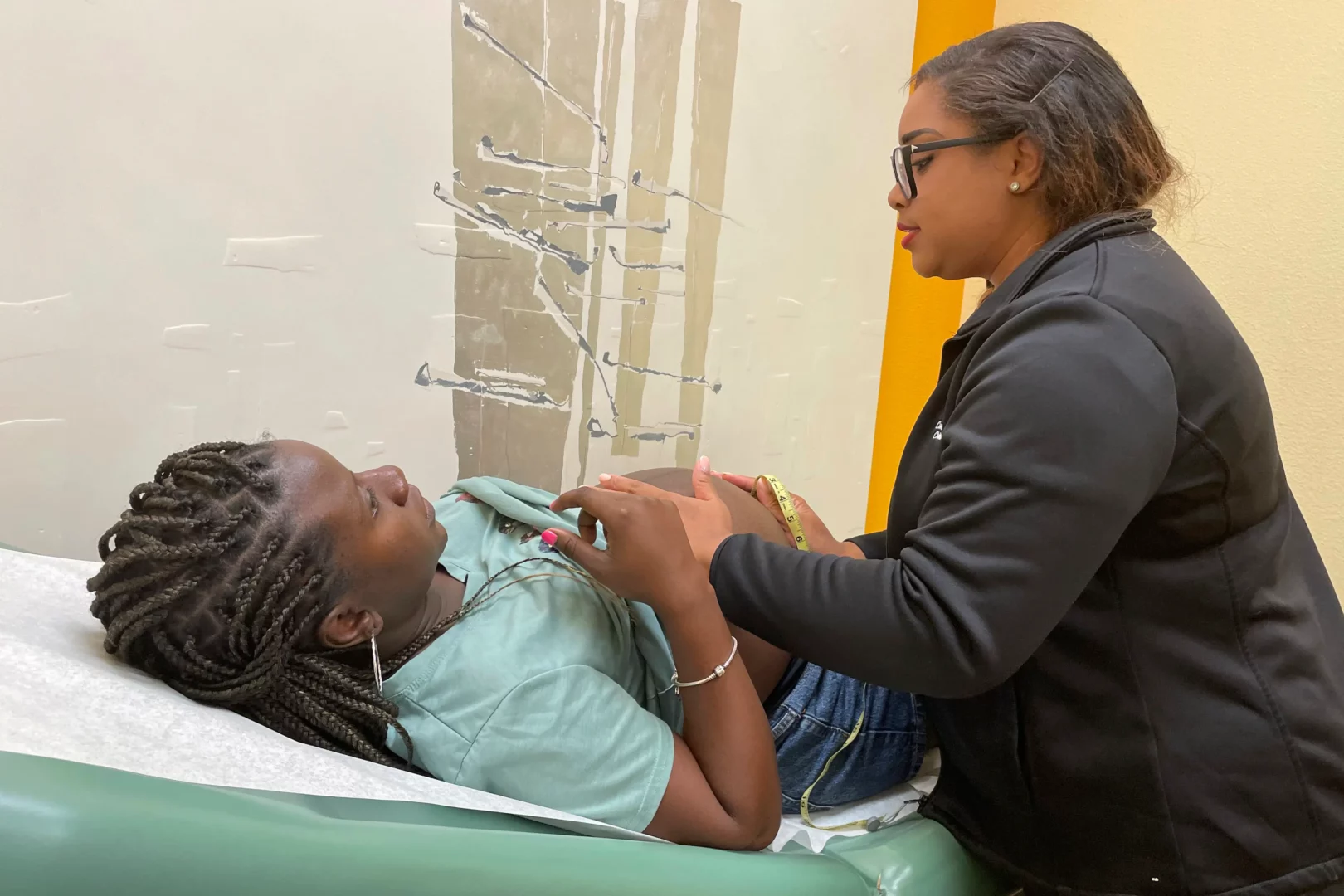
Evidence links extreme heat and air pollutants to adverse birth outcomes; communities of colour and low-income groups bear the brunt.
- Most Viewed
- Most Popular

Our Network
Our Channels

© 2026 Al Jazeera Media Network. All rights reserved.