

Ceasefire Negotiations and Hostage Deal Discussions Amid Gaza Conflict
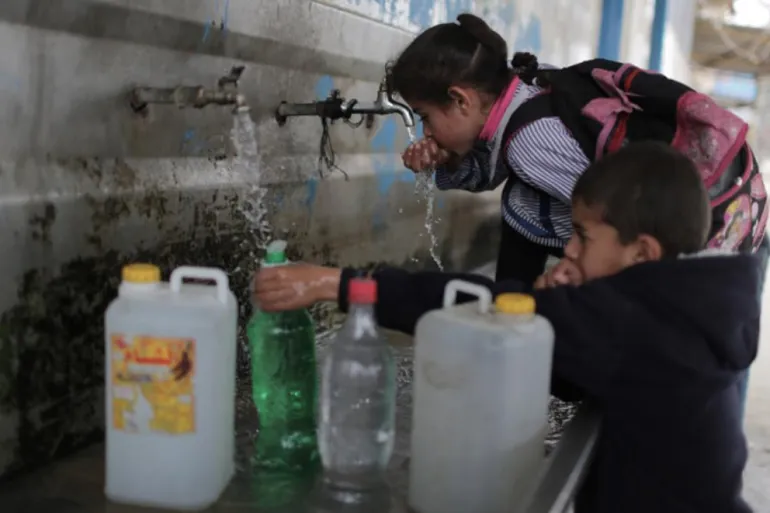
The Palestinian Water Authority recently found that 95 percent of drinking water in the Gaza Strip does not meet World Health Organization (WHO) standards.
An Israeli delegation arrived in Egypt on Sunday to engage in discussions regarding a potential captives’ deal with senior Egyptian officials. The aim is to find a resolution that could bring about the release of hostages and the implementation of a more comprehensive ceasefire agreement in Gaza.
According to the Israeli Prime Minister’s office, a statement made on Saturday evening revealed that Israel is willing to continue its ceasefire talks, contingent upon the response of mediators to a U.S. proposal. This proposal calls for the release of 11 living hostages and the bodies of half of those who have died.
In a significant development, Hamas, the militant group involved in the conflict, has announced its readiness to release an Israeli soldier who holds U.S. citizenship, along with the bodies of four other dual nationals. This offer, however, comes with a stipulation: Israel must adhere to the original, internationally supported ceasefire agreement in the Gaza Strip. Hamas has labeled this potential deal an “exceptional” step, which could help reinstate the original ceasefire and move negotiations forward.
The second phase of this agreement is expected to begin on the day the Israeli soldier with U.S. citizenship is released. This phase, however, must not exceed a duration of 50 days. Hamas has also set further conditions, such as Israel halting the blockade of humanitarian aid and withdrawing from a key strategic corridor along Gaza’s border with Egypt.
Meanwhile, the United States has been actively involved in facilitating these discussions. Last week, U.S. envoy to the Middle East, Steve Witkoff, presented a “bridge proposal” aimed at extending the current ceasefire arrangement. The proposal suggests that phase one of the ceasefire be prolonged until mid-April, providing negotiators more time to establish a permanent ceasefire agreement.
As tensions persist, international efforts continue to broker peace and secure the safe release of hostages, while addressing humanitarian needs and ensuring long-term stability in the region.

Gaza Phase 2
The plan of the Wednesday includes demilitarization, technocratic governance, and reconstruction.
Human Rights: Gaza’s Fragile Pause
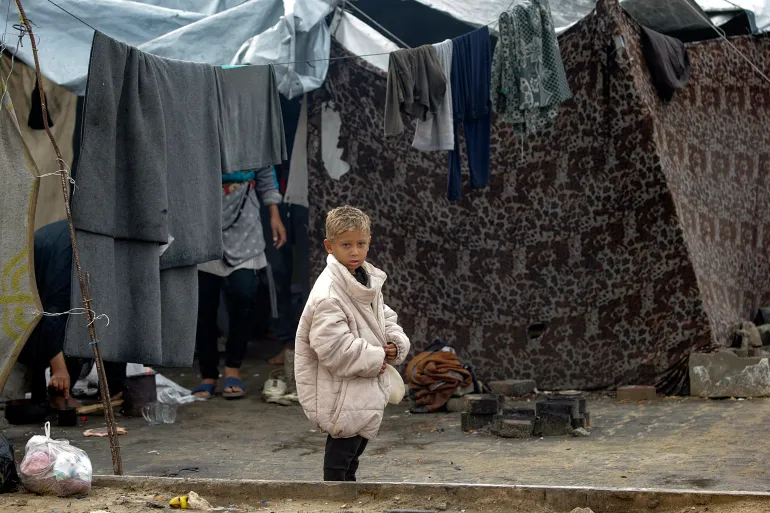
UN OCHA and partners warn progress is temporary, with ongoing airstrikes, access impediments, border delays, and restrictions on supplies and humanitarian operations undermining recovery.





Our Network
Our Channels

© 2026 Al Jazeera Media Network. All rights reserved.