

Water under fire: the killing of Gaza’s humanitarian drivers
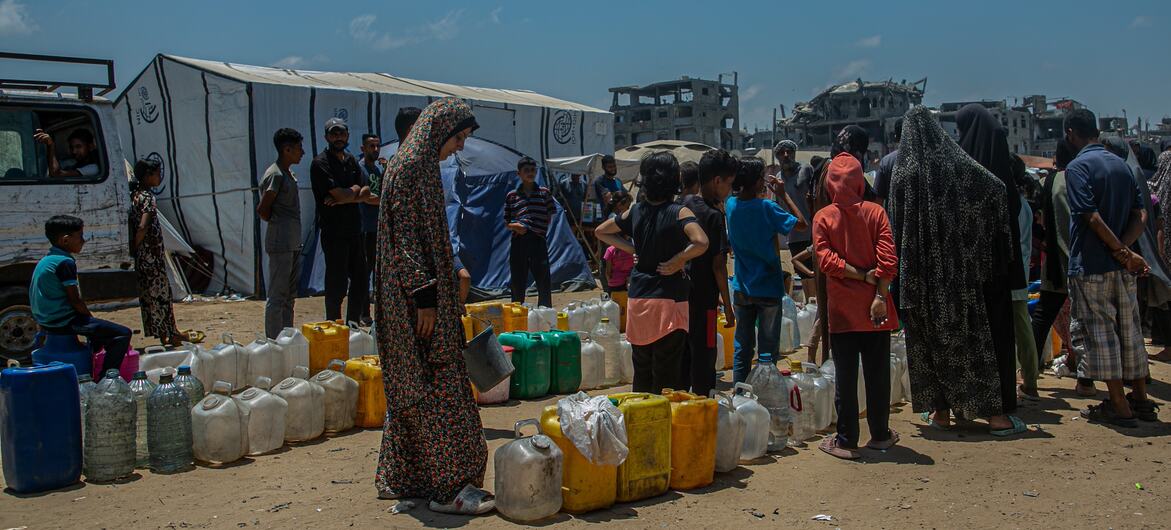
© UNICEF/Mohammed Nateel Displaced families in Gaza rely on trucked water to meet their daily needs. (file photo)
The deaths of two contracted water-truck drivers in northern Gaza have imperilled a critical lifeline for hundreds of thousands of civilians, and sharpened calls for accountability.
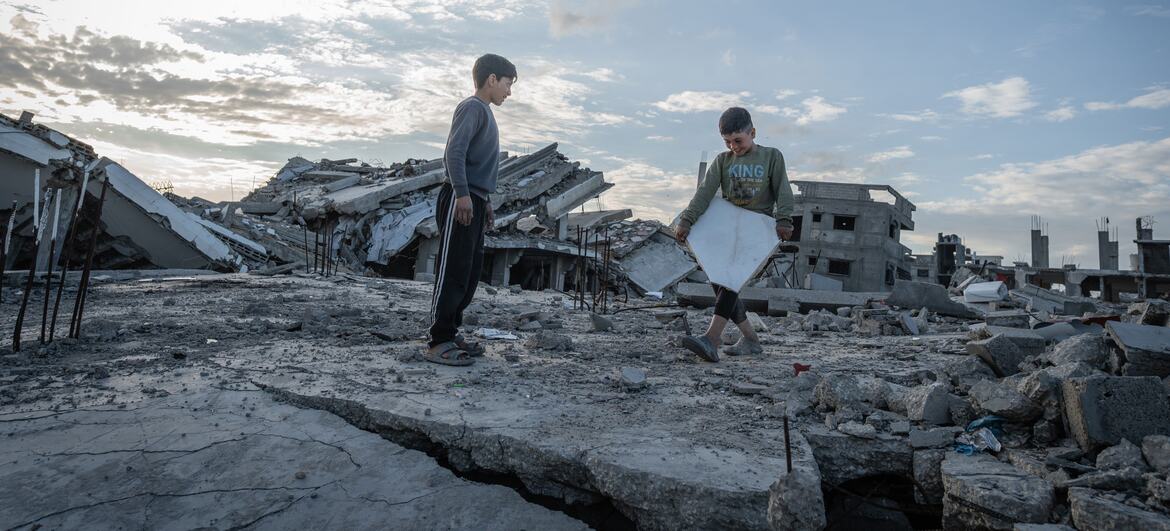
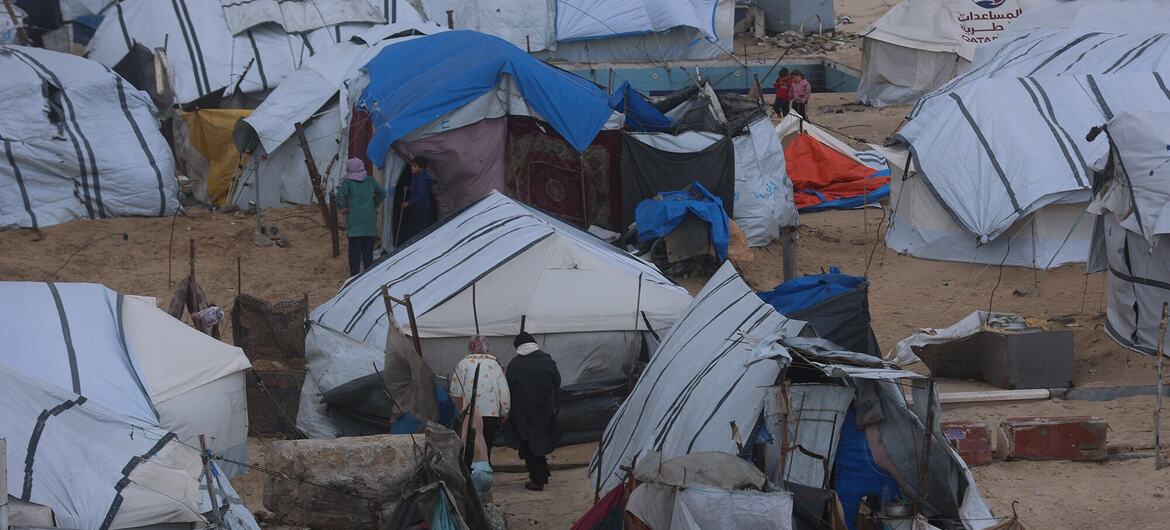
Displaced families in Gaza depend on trucked water for their most basic daily needs. Operations at the only active northern filling point have now been suspended.
In wars, water is rarely a neutral commodity. In Gaza, where civilian infrastructure has been shattered and displacement is near-universal, it has become a matter of life and death delivered by truck. On Friday morning, that fragile system came under lethal pressure: two drivers contracted by UNICEF to haul clean water to families in the Gaza Strip were killed by Israeli fire at the Mansoura water filling point in northern Gaza. Two others were wounded in the same incident.
The UN Children’s Fund described itself as “outraged,” and the language was not merely diplomatic. The Mansoura site is, at present, the sole operational filling point for the Mekorot water supply line serving Gaza City. Trucks from UNICEF and its humanitarian partners use it several times a day. Its disruption does not merely inconvenience; it cuts a population already stripped of most alternatives off from water entirely. The agency said it had found no change in movement patterns or procedures that might have precipitated the attack, making the incident all the more alarming.
UNICEF has instructed its contractors to suspend all onsite activities until security conditions allow a return. The ripple effects of that decision will be felt quickly. In a territory where piped water barely functions, trucking is not a supplement to the system; it is the system. Children, the elderly and the displaced are the first to suffer when it fails.
The agency has called on Israeli authorities to investigate immediately and ensure full accountability, invoking the obligations imposed by international humanitarian law on all parties to a conflict. Those obligations are well established: civilian infrastructure and those maintaining it must not be attacked. The protection of humanitarian workers is not a courtesy extended in exceptional circumstances but a binding legal norm, repeatedly affirmed and, in Gaza, repeatedly tested.
The Humanitarian Country Team, which coordinates UN agencies and partners operating in the Occupied Palestinian Territory, echoed those demands. The two men, it noted, were carrying out routine operations to support displaced and vulnerable communities when they were killed. Such attacks, the group said, do not merely cost lives; they dismantle the fragile architecture of services that civilians depend on for survival.
For observers of this conflict, the episode fits a dispiriting pattern. Humanitarian operations in Gaza have been repeatedly disrupted by incidents in which the circumstances remain contested and accountability is rarely swift. The World Food Programme suspended aid convoys earlier in the conflict after vehicles were struck; medical facilities have been hit; now water trucks. Each incident generates condemnation; few generate consequences.
The underlying vulnerability is structural. Gaza’s water infrastructure was already degraded before the current conflict. Aquifer depletion, a long-running siege that restricted imports of fuel and spare parts, and recurrent conflict damage had left the population heavily dependent on humanitarian supply chains. That dependency is now nearly total in the north, where the Mansoura point was one of the few mechanisms still functioning.
Restoring access will require more than a ceasefire announcement; it demands enforceable guarantees of safe passage for humanitarian workers, consistent coordination with Israeli authorities, and a degree of predictability that has been conspicuously absent. Without those conditions, the suspension of operations at Mansoura may last far longer than UNICEF hopes, and the cost will be borne, as it so often is, by those least able to bear it.
No End in Sight for Palestinian Suffering
The report finds that Israel’s blockade on Gaza resulted in starvation and famine, and that the use of starvation as a method of war against civilians constitutes a war crime that may, in...
Gaza on the Edge
“Without disarmament, sustained aid access and political compromise, the ceasefire risks collapse, and recovery plans may never materialise.”




Our Network
Our Channels

© 2026 Al Jazeera Media Network. All rights reserved.