

Gaza on the Edge
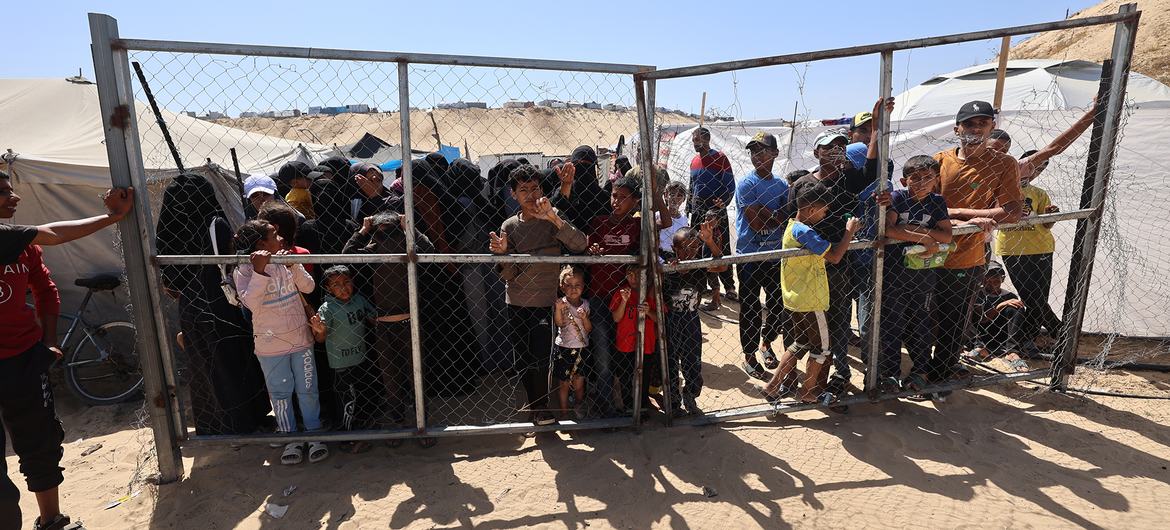
© UNICEF/Eyad El Baba Children wait at a UN-supported malnutrition treatment centre in Khan Younis, southern Gaza.
The ceasefire is fraying; reconstruction needs stand at $71.4 billion and a 20-point peace plan is stalling. Delegates at the Security Council warn the window for recovery may be closing.
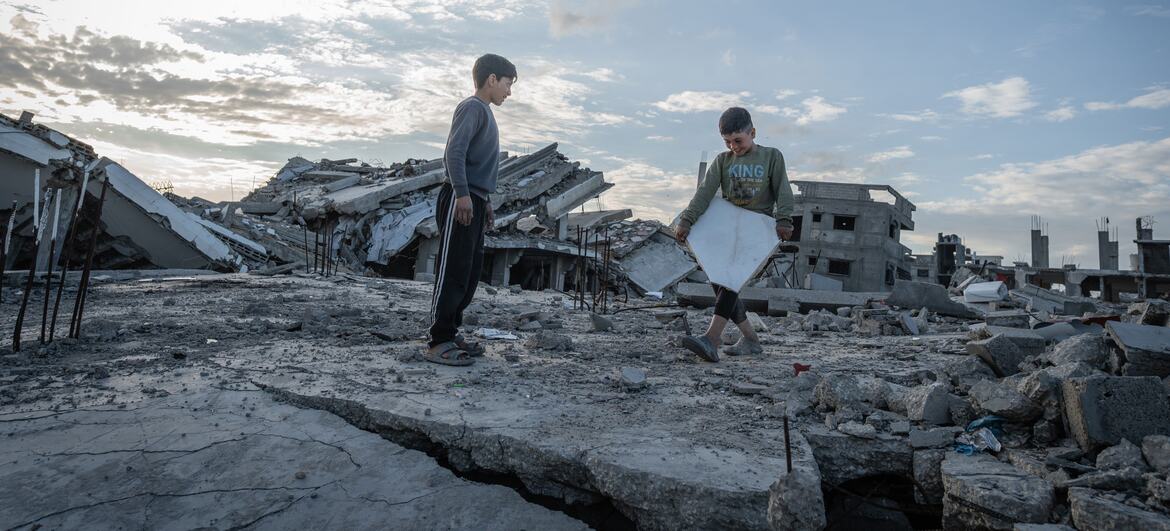
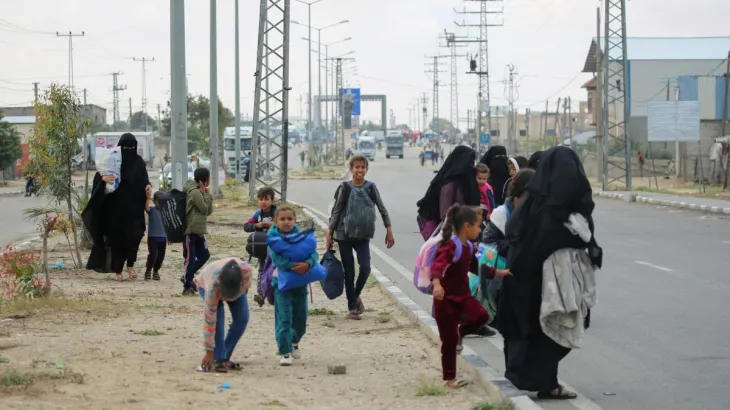
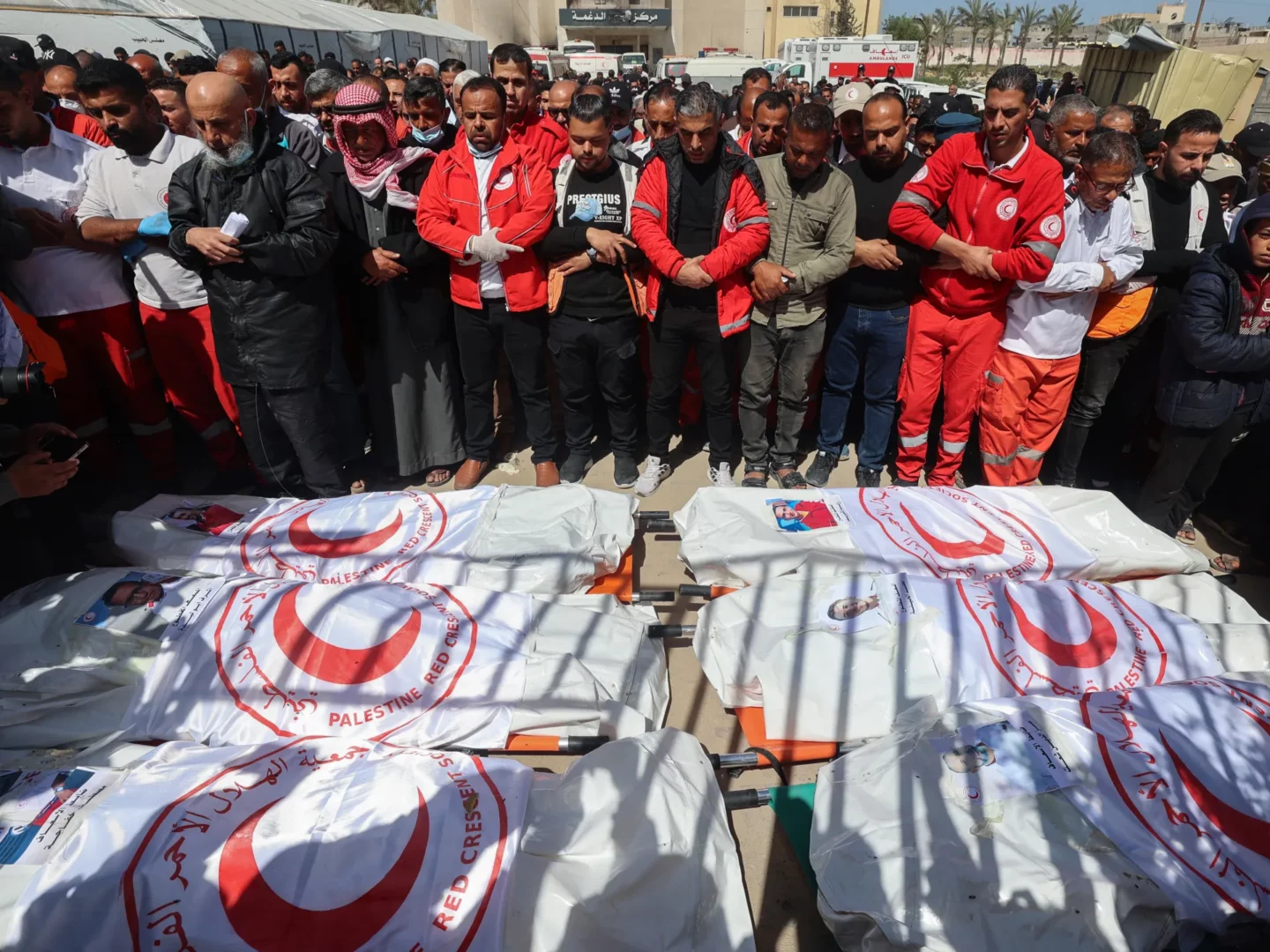
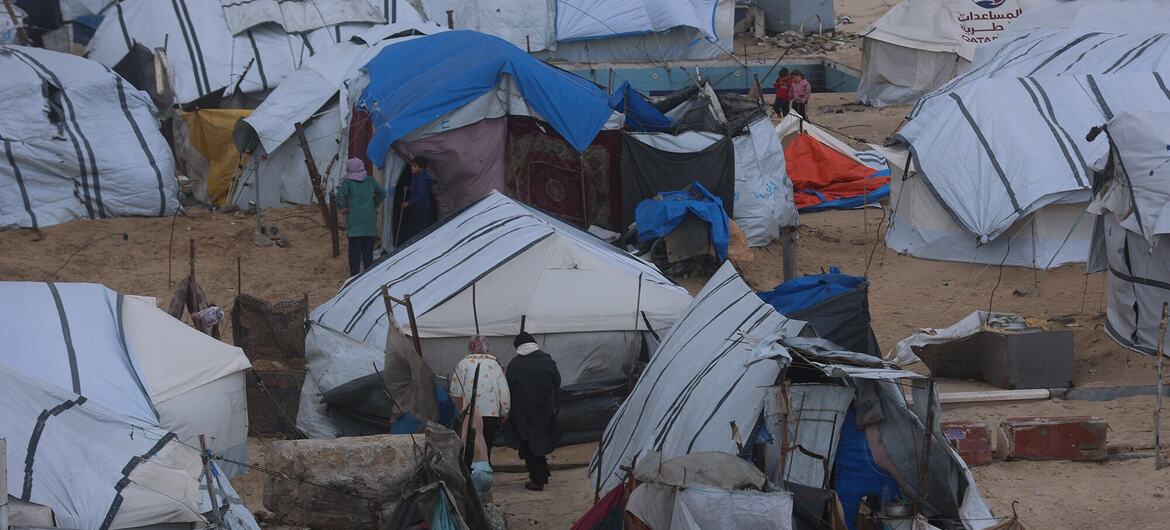
The UN Security Council heard stark warnings on Tuesday that Gaza’s ceasefire is increasingly fragile. Continued Israeli strikes and Hamas activity, combined with a deepening humanitarian collapse, are threatening a return to full-scale war. Some 1.8 million Gazans remain displaced. Only 296 of 683 health service points, hospitals, field hospitals, and primary healthcare centres — remain functional, and just 23 are fully operational. Reconstruction needs are estimated at $71.4 billion, a figure that assumes there is something left to reconstruct.
A US-backed 20-point peace plan envisions a demilitarised Gaza, a temporary internationally backed Palestinian administration and a massive reconstruction programme. But talks on disarming Hamas have stalled, and violence in the West Bank — where settlement expansion and settler attacks are accelerating, is undermining any prospect of a two-state outcome. According to the UN Office for the Coordination of Humanitarian Affairs, settler attacks now account for 75% of all displacements recorded in the West Bank in 2026.
“Without disarmament, sustained aid access and political compromise, the ceasefire risks collapse, and recovery plans may never materialise.”
Former British Prime Minister Tony Blair, appearing before the council as a member of the US-led Board of Peace, called for urgent mobilisation of reconstruction funds at what he described as a “pivotal juncture.” The US and its allies blame Hamas as the principal obstacle; Palestinians and Arab states accuse Israel of blocking aid and pursuing annexation; others warn the plan itself is losing coherence. An 18-hour Israeli operation around Qalandiya Camp in the West Bank involved large-scale searches, detentions, and movement restrictions, disrupting access to schools, clinics, and ambulances. The situation, as one official put it, is worsening “away from the spotlight.”
Source: UN Security Council Session, 28 April 2026
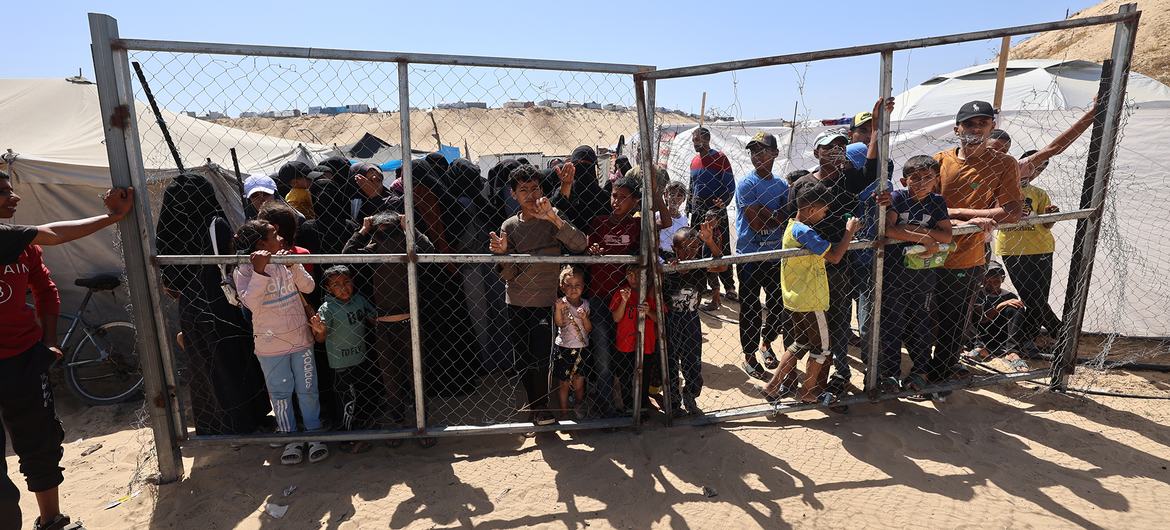
No End in Sight for Palestinian Suffering
The report finds that Israel’s blockade on Gaza resulted in starvation and famine, and that the use of starvation as a method of war against civilians constitutes a war crime that may, in...
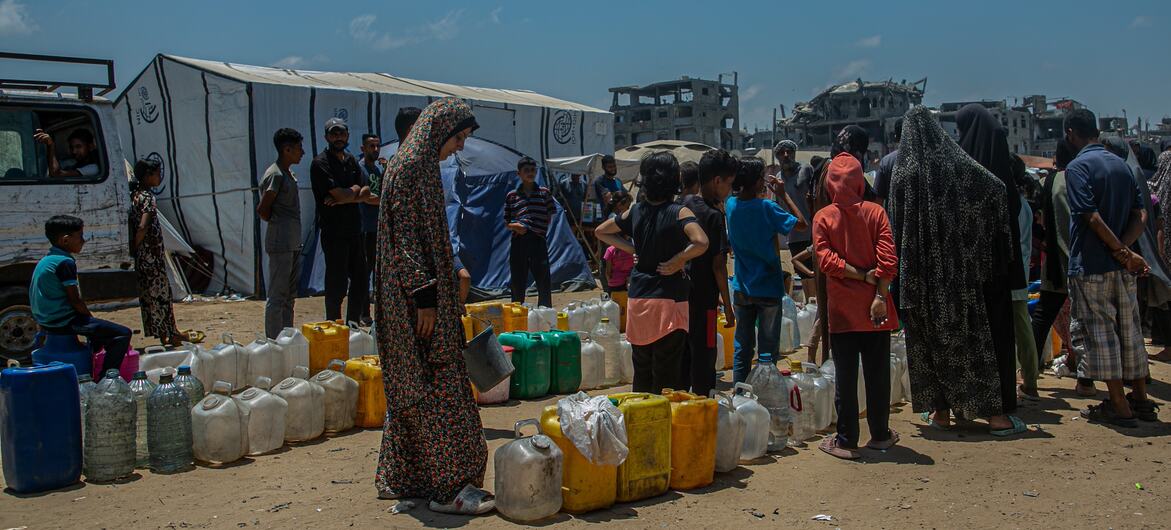
Water under fire: the killing of Gaza’s humanitarian drivers
The UN Children’s Fund described itself as “outraged,” and the language was not merely diplomatic. The Mansoura site is, at present, the sole operational filling point for the...



Our Network
Our Channels

© 2026 Al Jazeera Media Network. All rights reserved.