
War Without Shelter
Archive/Al Jazeera.
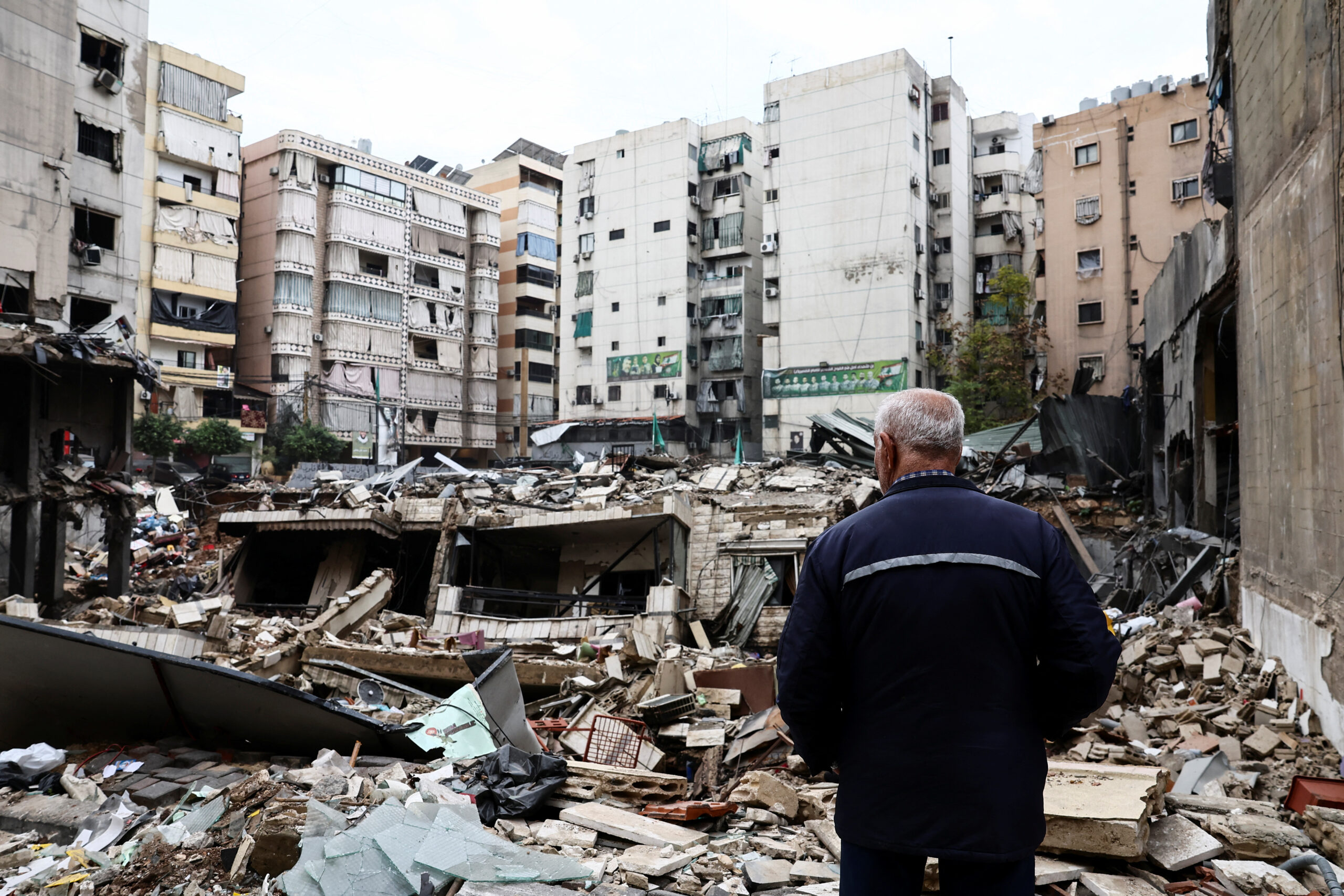
Almost one month since US and Israeli airstrikes on Iran began on 28 February 2026, triggering a broader regional war, civilians across the Middle East have been left with, in the words of UNICEF’s Lebanon representative Marcoluigi Corsi, “no safe space” to go.
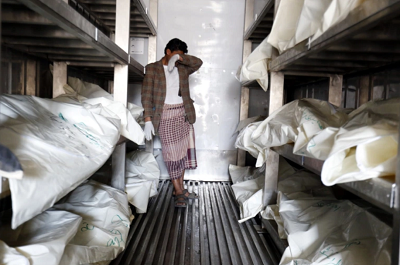
Tehran, a city of roughly nine million people, described by the International Federation of Red Cross and Red Crescent Societies (IFRC) as feeling “completely empty,” has seen 21 attacks on health workers and facilities, with 17 Red Crescent centres struck and nearly 100 ambulances damaged or destroyed. One IFRC search and rescue worker discovered the bodies of his own family in the rubble. In Qom, a first responder recovered his aunt, her husband, and a young child.
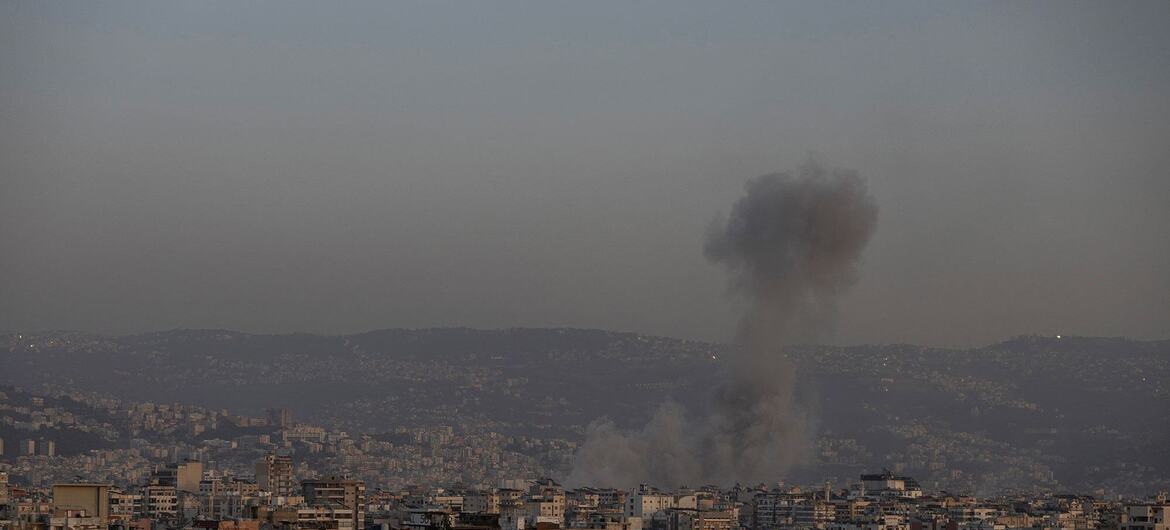
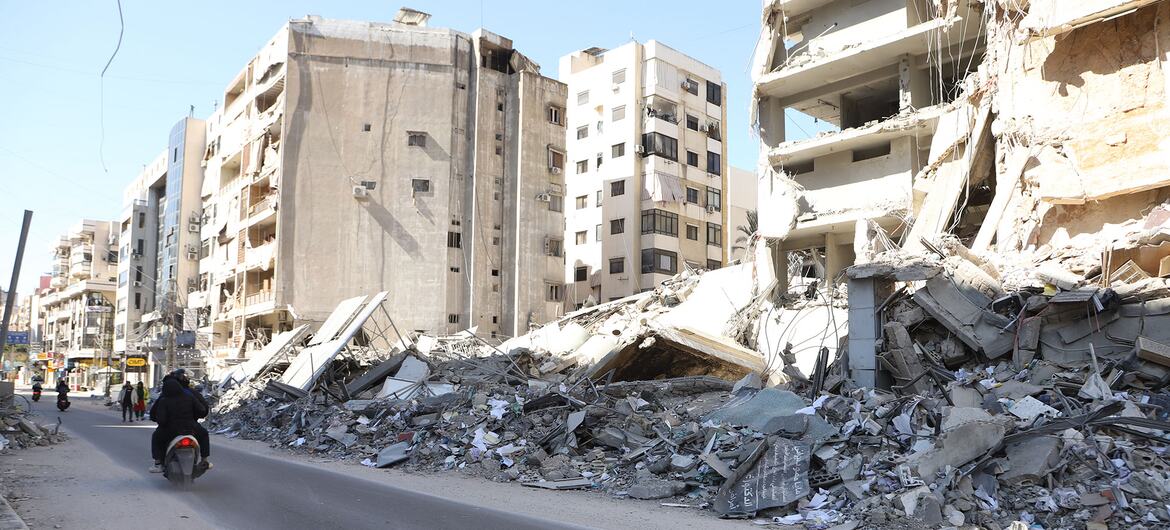
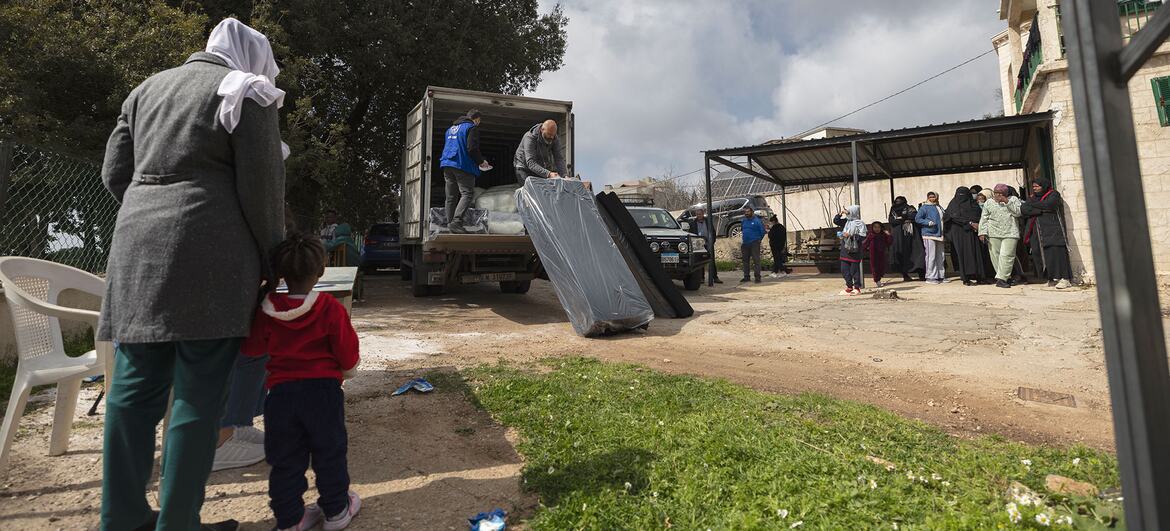
In Lebanon, Israeli strikes on targets linked to Hezbollah have intensified, often with less than an hour’s warning. Bridges destroyed in southern Lebanon have cut off entire districts, isolating over 150,000 people, the UN refugee agency UNHCR reported on 27 March. More than one million people have fled their homes in Lebanon in a matter of weeks. “I have met women and girls forced to make devastating choices, fleeing their homes at night without clear destination,” said UN Women’s Gielan El Messiri.
The Strait of Hormuz has been effectively closed for almost four weeks, throwing global oil markets into chaos, with no clear end in sight. Iran’s threats have raised the risk of transit enough to stop almost all commercial shipping through the narrow waterway, which normally carries about 20 per cent of the world’s oil and natural gas, as well as fertilizers. On 27 March, US President Donald Trump announced a further 10-day pause on strikes against Iranian energy sites, citing ongoing talks; Iran denied any direct negotiations were underway.
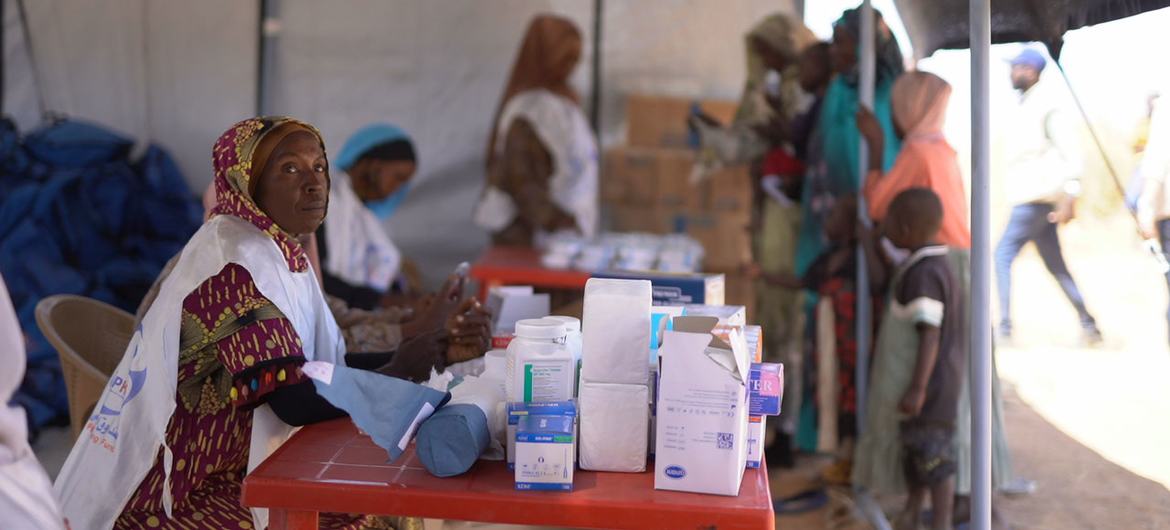
The UN World Health Organization (WHO) reported that aid shipments are beginning to resume from its Dubai hub, with airlines returning to roughly 50 to 60 per cent of their capacity. But for millions of civilians in Iran, Lebanon, and across the Gulf, the relief is too slow and the danger too close.
Sources: UN News, WHO, UNHCR, UNICEF, IFRC, 27 March 2026; CNN, 26 March 2026; ACLED, March 2026.
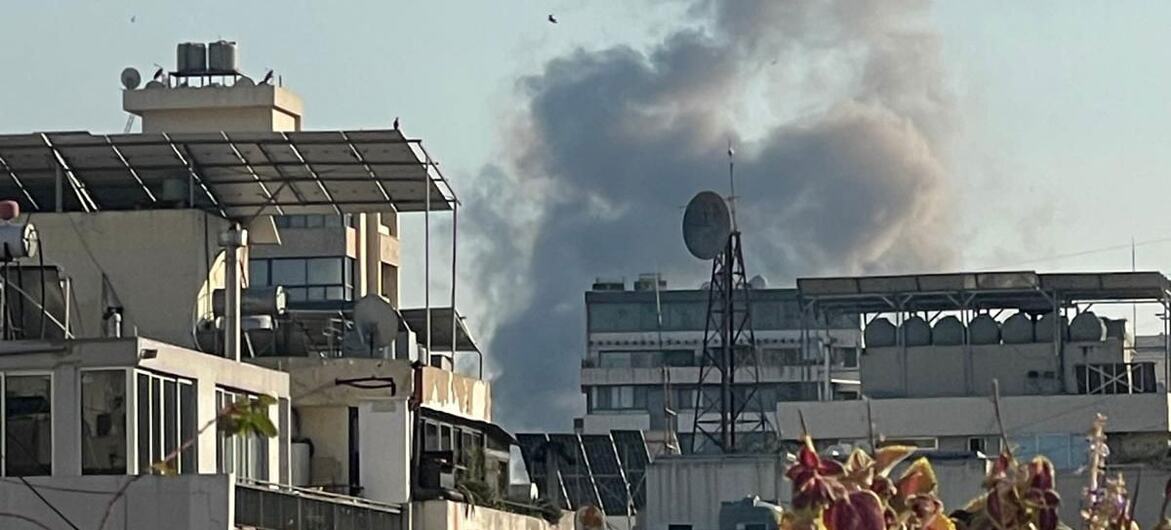
A War Spiralling Out of Humanitarian Law Control
Strikes on Iran by the US and Israel have left more than 82,000 civilian structures damaged or destroyed, according to the Iranian Red Crescent Society.
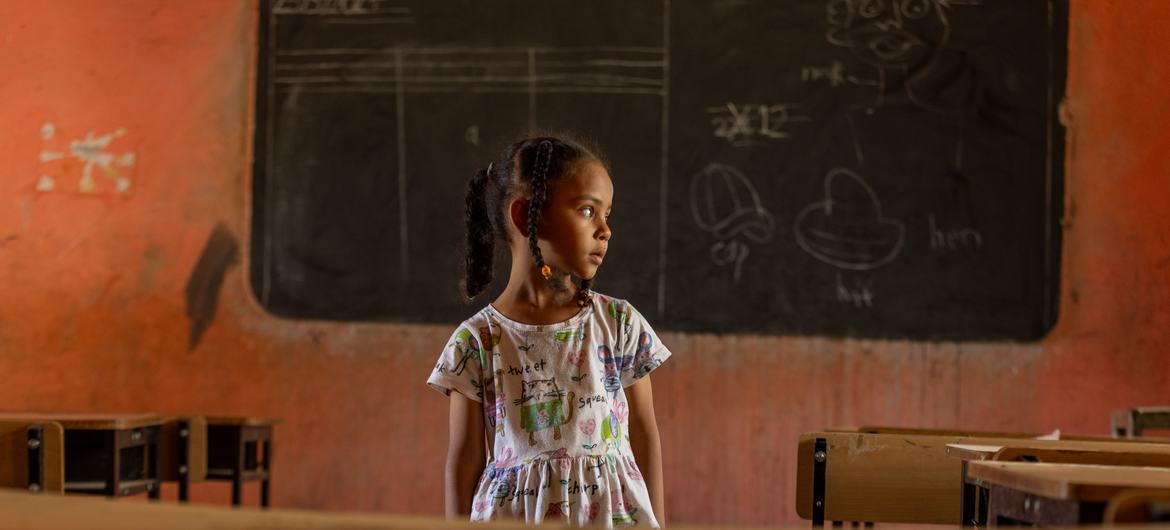
Left Behind: The Global Education Crisis
Progress since 2015 has slowed across nearly every region, with sub-Saharan Africa especially hard hit. In conflict zones, official figures almost certainly undercount the true scale of...


Our Network
Our Channels

© 2026 Al Jazeera Media Network. All rights reserved.