

Wadi al-Rakhim, Trees, and the Erosion of Protections
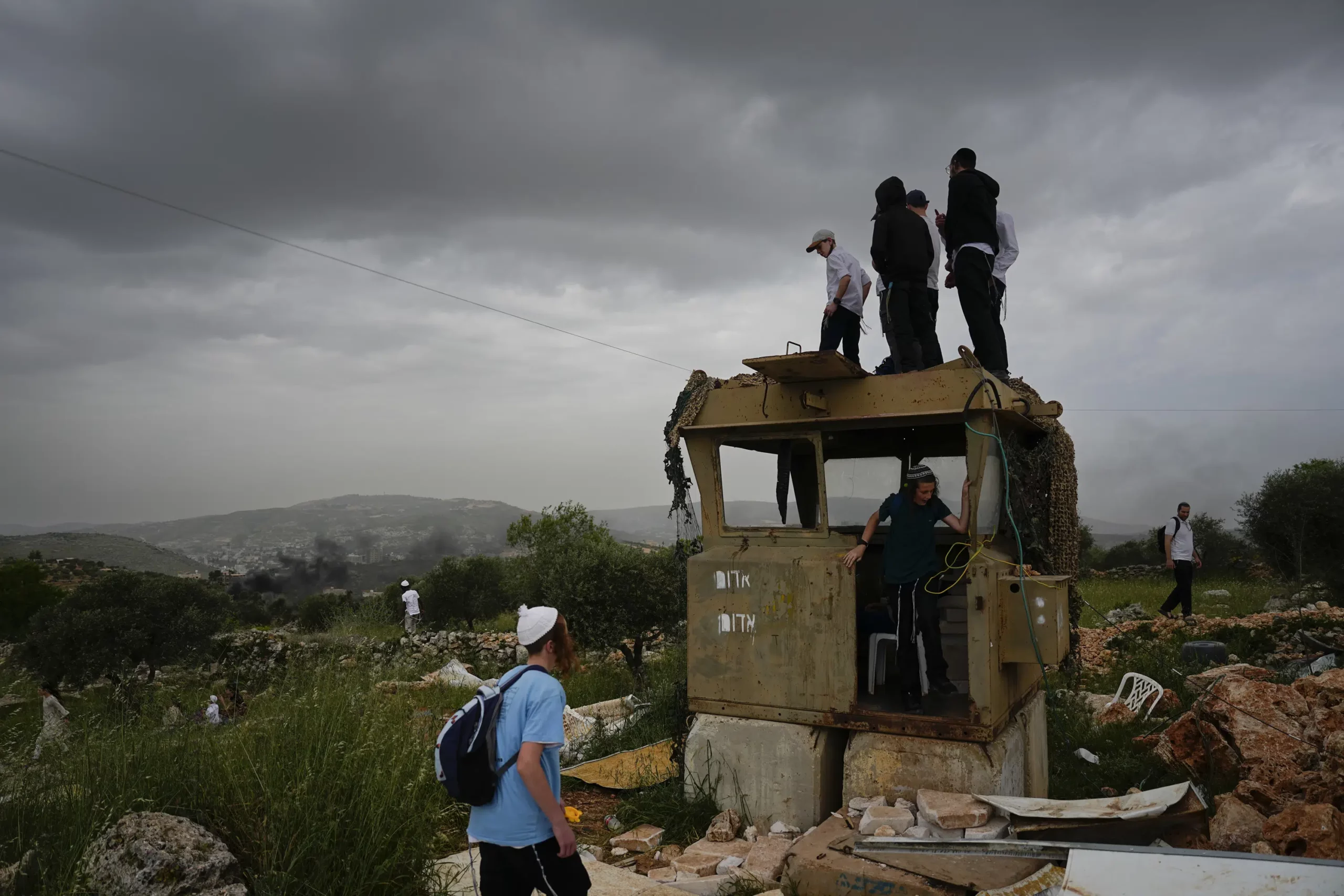
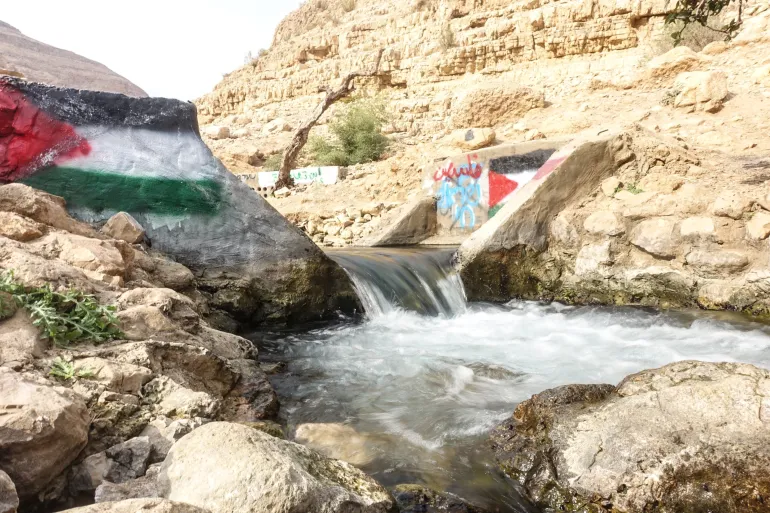
Archive/Al Jazeera.
In Wadi al-Rakhim, near Yatta in the occupied West Bank, reported actions by Israeli settlers, uprooting roughly 500 trees, burning property and firewood, smashing windows and vehicles, blocking ambulances, stoning Red Crescent vehicles and stealing some 150 sheep, constitute not merely criminality but a pattern that undermines basic protections for a civilian population under occupation. The Palestinian News Agency Wafa reported injuries among civilians including children and women, and the Palestinian Red Crescent treated at least two people after being impeded while attempting to reach the wounded.
Such attacks take place against the backdrop of an often-uneven security response. Reports that settlers operated “under Israeli Army protection” reinforce long-standing concerns about impunity and the failure to protect vulnerable communities as required under international humanitarian law.
The theft of livestock, a core economic asset for rural families, inflicts long-term harm, while assaults on medical responders violate norms designed to preserve lifesaving assistance during crises.
The international human-rights framework mandates that an occupying power ensure public order and safety and protect the civilian population. Repeated incidents of settler violence, coupled with restricted access to redress, erode the credibility of both Israeli and international mechanisms charged with preventing abuse.
Accountability, through prompt investigations, prosecutions where warranted, and restitution for victims, is essential if the rule of law is to mean anything on the ground. Otherwise, cycles of dispossession and retaliation will continue to harden faultlines, making both a just resolution and day-to-day coexistence increasingly elusive.
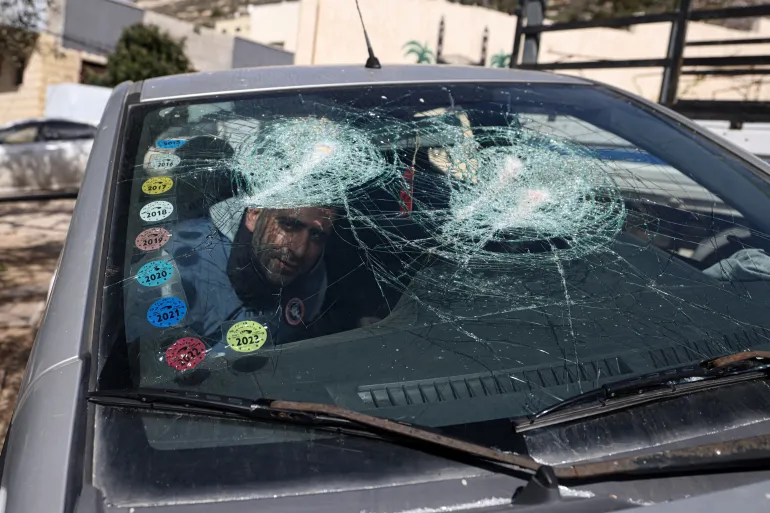
Over 50 Injured in Attacks by Settlers
This aggressive behavior not only raises serious concerns about the safety of Palestinians in their own lands but also highlights the ongoing tensions that continue to destabilize the region.
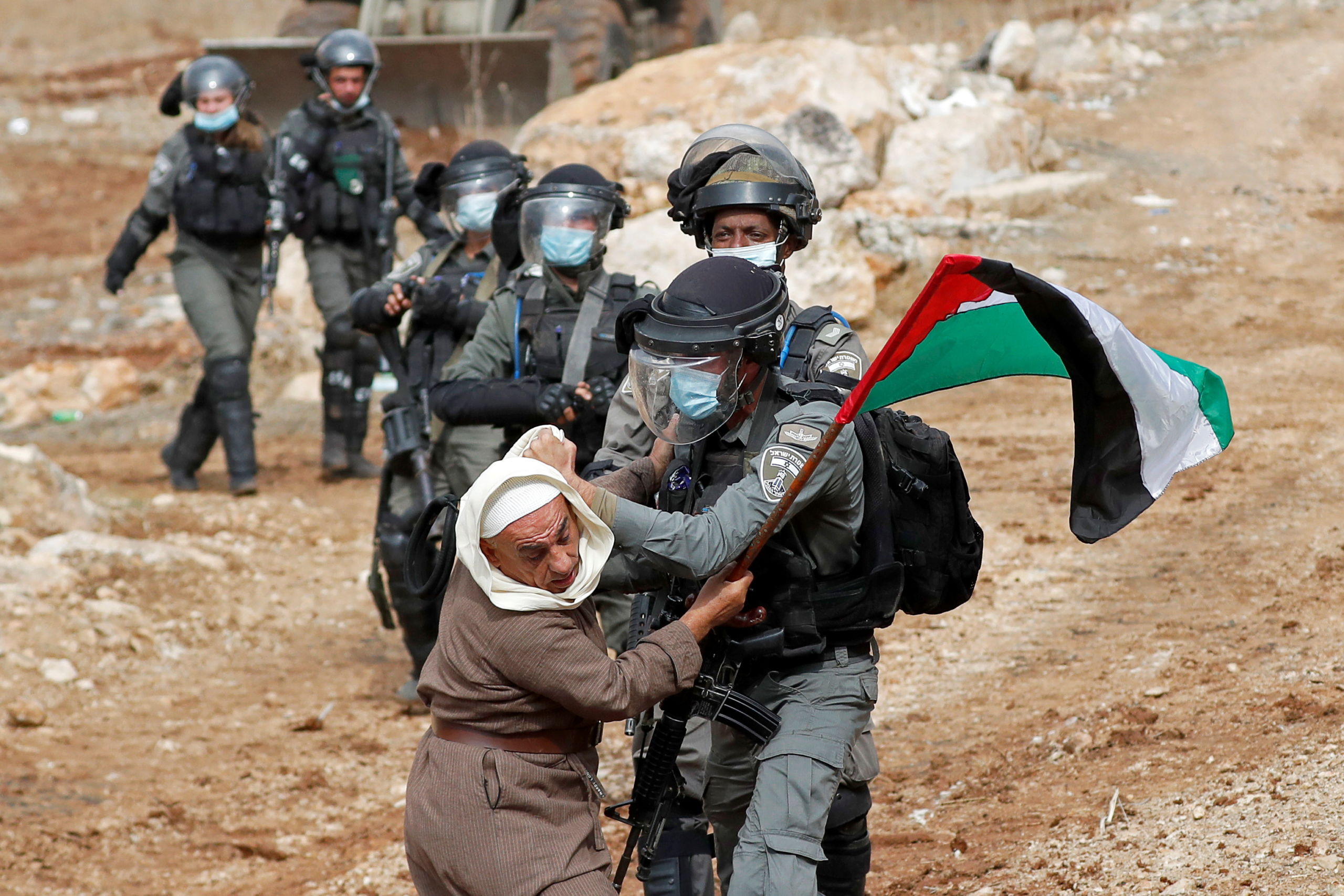
Deepening Control and Settlements in Judea and Samaria
Key changes involve repealing Jordanian laws restricting land sales to Jews, enabling purchases under terms resembling those in cities like Tel Aviv or Jerusalem.

- Most Viewed
- Most Popular




Our Network
Our Channels

© 2026 Al Jazeera Media Network. All rights reserved.