

UN’s Austerity vs. Middle East’s $1 Billion Daily War: A Global Paradox
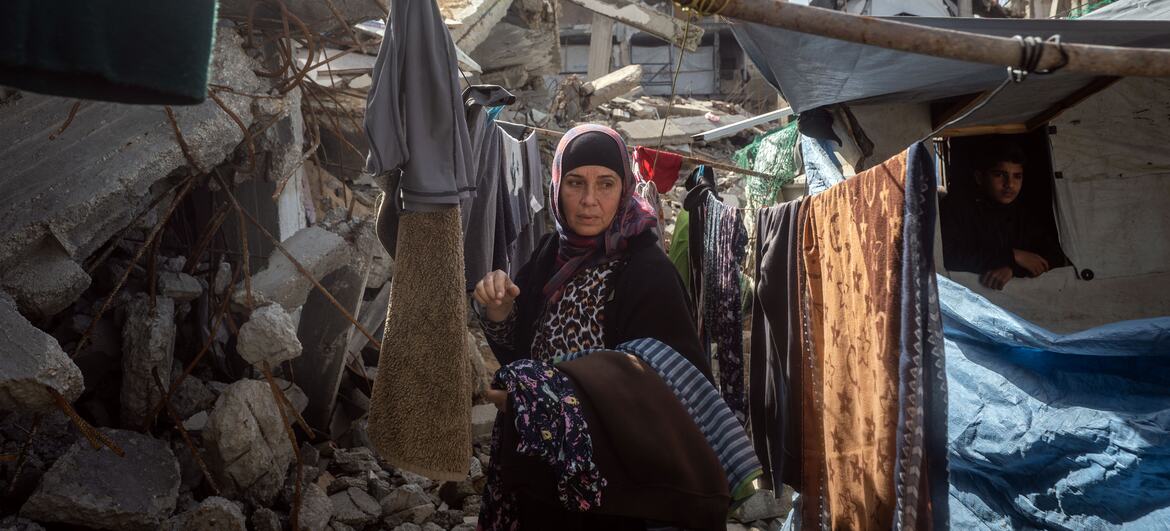
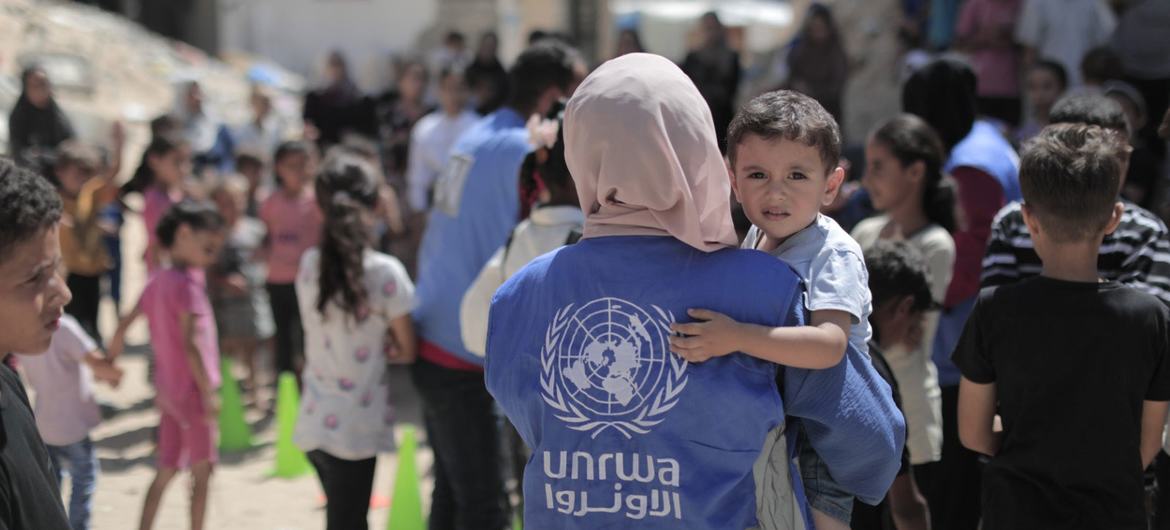
© WFP/Maxime Le Lijour People living in Gaza have received humanitarian aid from the UN throughout the conflict with Israel.
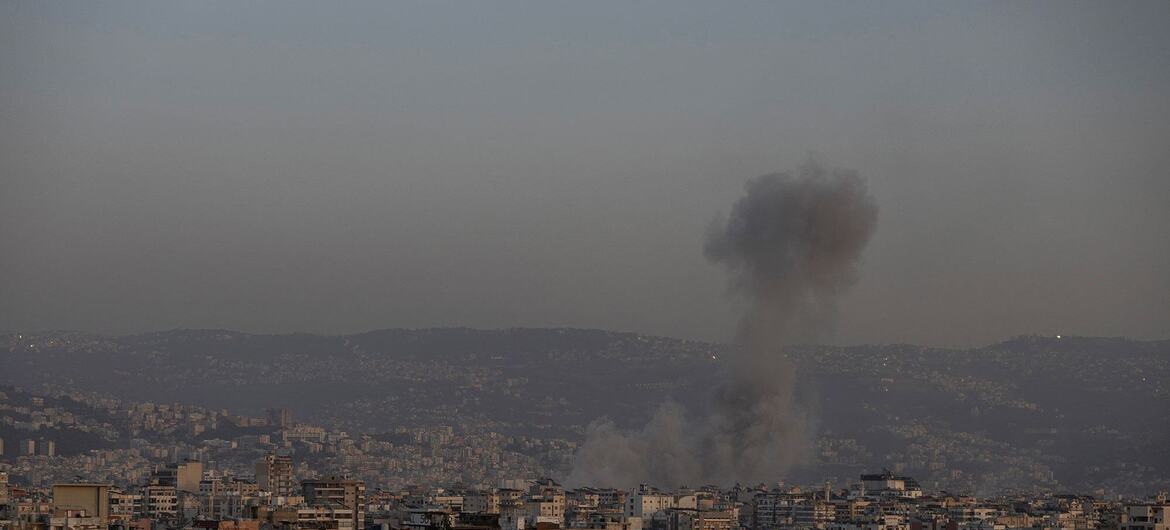
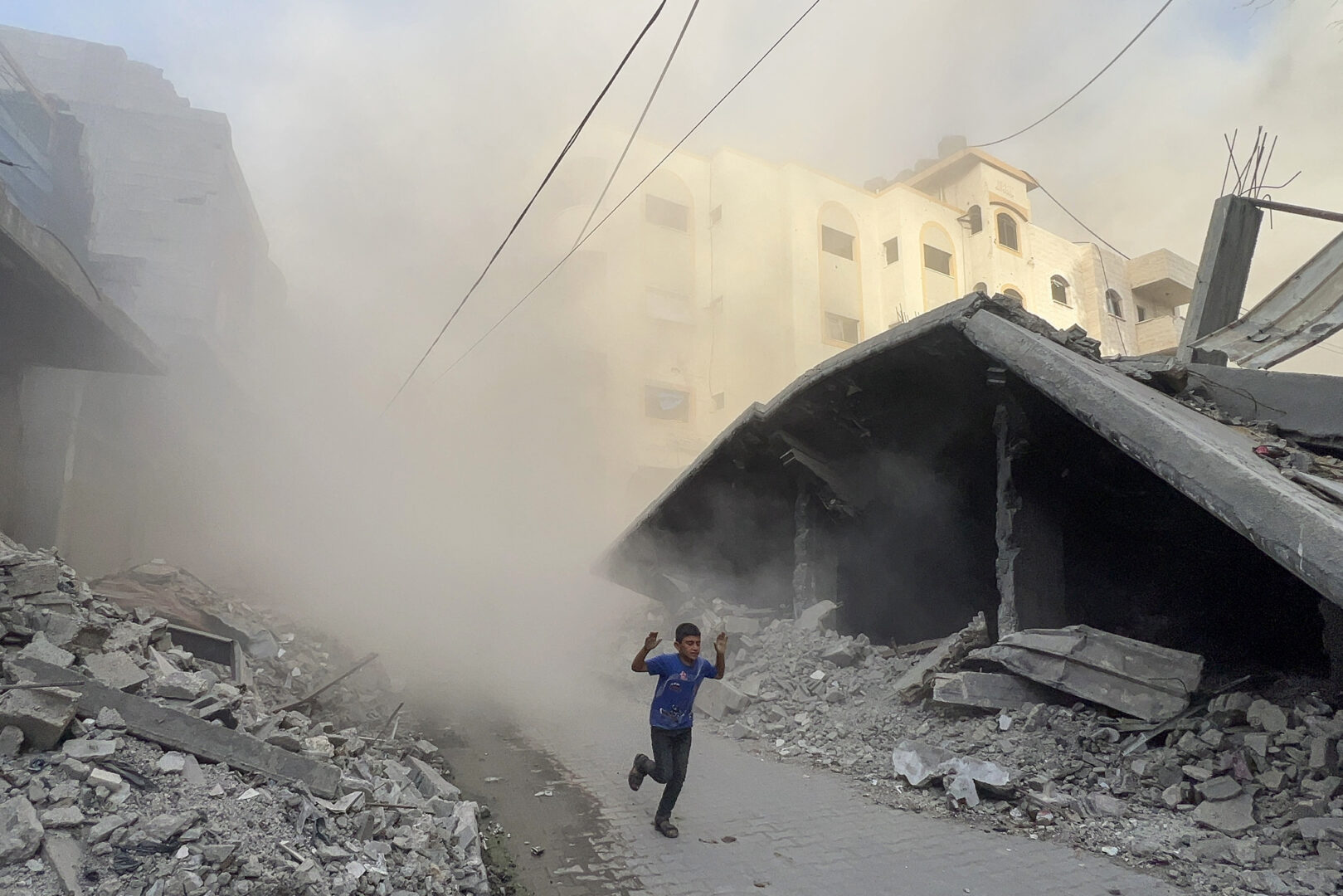
The human cost of the ongoing conflict in the Middle East has reached a staggering new threshold. Tom Fletcher, the United Nations’ Emergency Relief Coordinator, informed a somber press corps today that the daily price tag of this brutal war now exceeds $1 billion. This immense expenditure, however, is not solely measured in military might, but in the decimation of humanitarian efforts and the burgeoning suffering of millions.
The UN’s urgent $23 billion appeal, designed to support 87 million individuals teetering on the brink of destitution, remains critically underfunded. A yawning chasm of over $14 billion persists, a stark testament to the world’s insufficient response. The disruption has been compounded by the strategic closure of the Strait of Hormuz on March 2nd, a move that has sent shockwaves through global supply chains and further isolated those in desperate need. For aid workers, the operational landscape has become a minefield of heightened risks, and the human rights implications are, by Mr. Fletcher’s grim account, severe. The direct correlation between funding shortfalls and preventable loss of life is undeniable.
To navigate this deepening humanitarian emergency, Mr. Fletcher implored donors to shift their focus beyond ad-hoc contributions. The imperative now lies in establishing predictable financing streams, safeguarding the access and assets crucial for aid delivery, and fostering robust logistical coordination. Only through such concerted action can the essential lifeline of support reach the beleaguered civilian populations who depend on it for their very survival.
Sources: UN Emergency Relief Coordinator briefing, March 11, 2026; UN OCHA materials, March 2026.
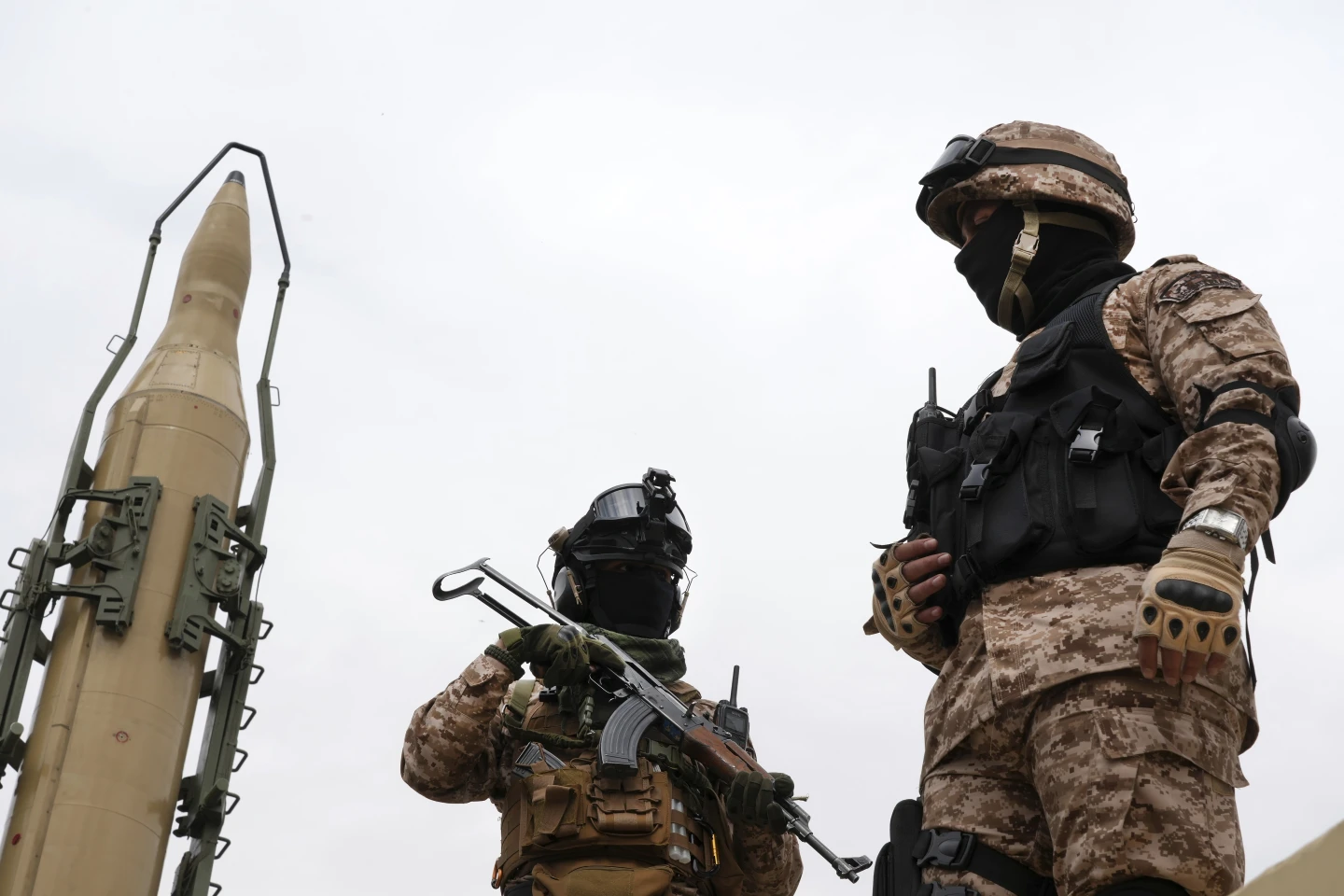
Iran War/Twelve Years Old and Fit for Duty!
Iran’s Revolutionary Guards are recruiting children as young as 12. Under international law, enlisting those under 15 is a war crime.
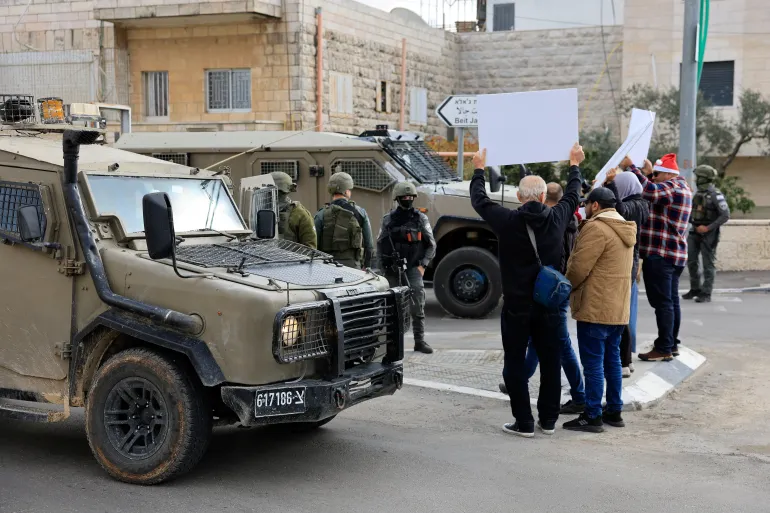
Palestine/Israel/A Rope and a Double Standard
Israel’s new death-penalty law is designed to kill Palestinians faster, and with less scrutiny.







Our Network
Our Channels

© 2026 Al Jazeera Media Network. All rights reserved.