

UN rights chief hails ICC verdict on Darfur atrocities
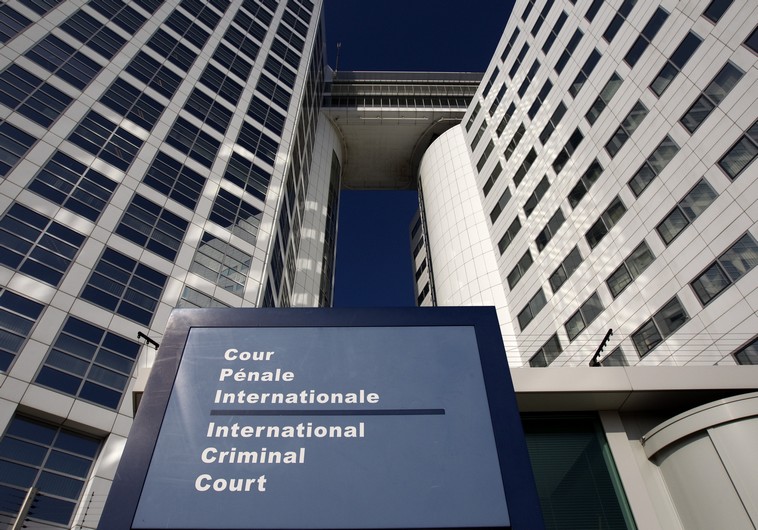
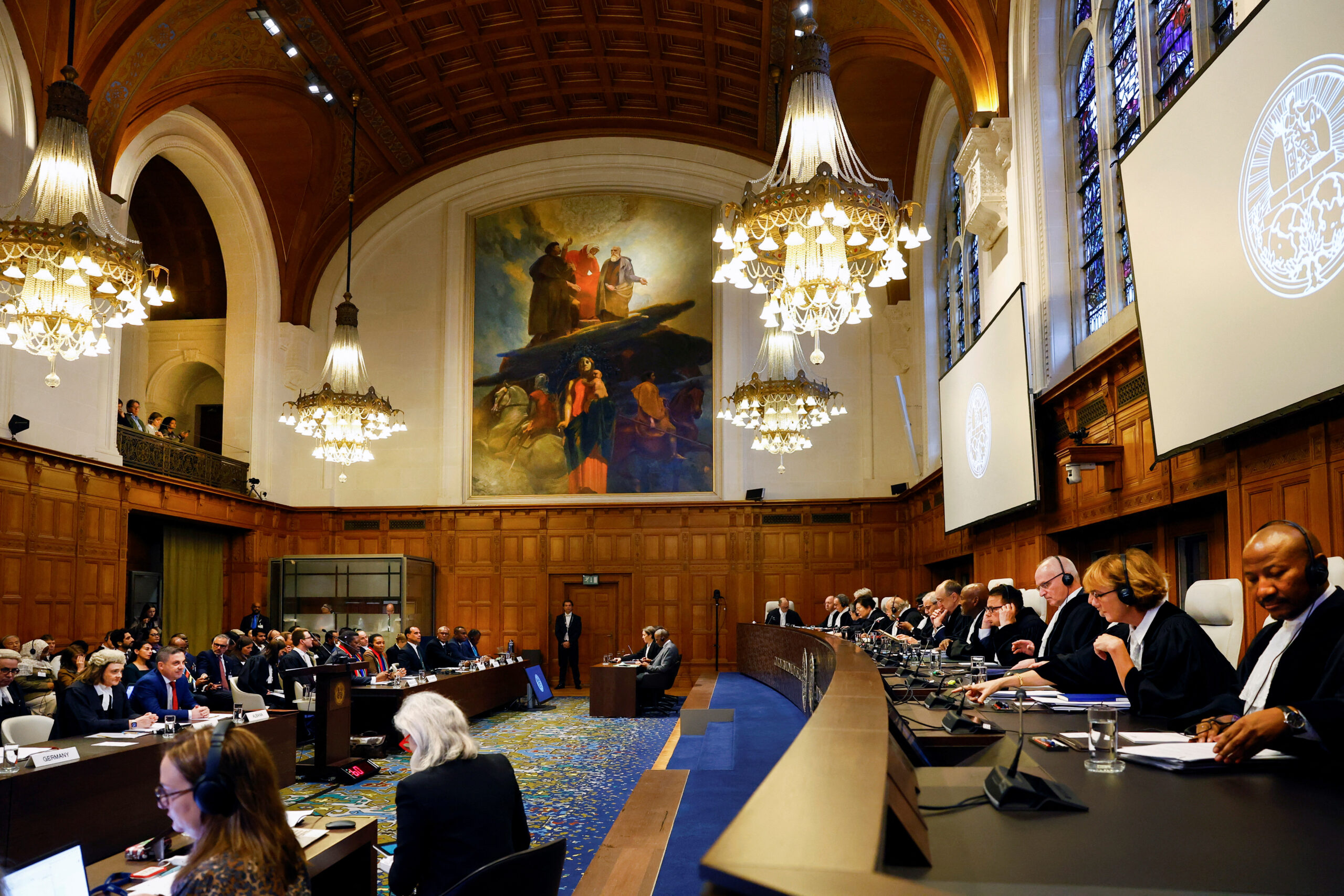
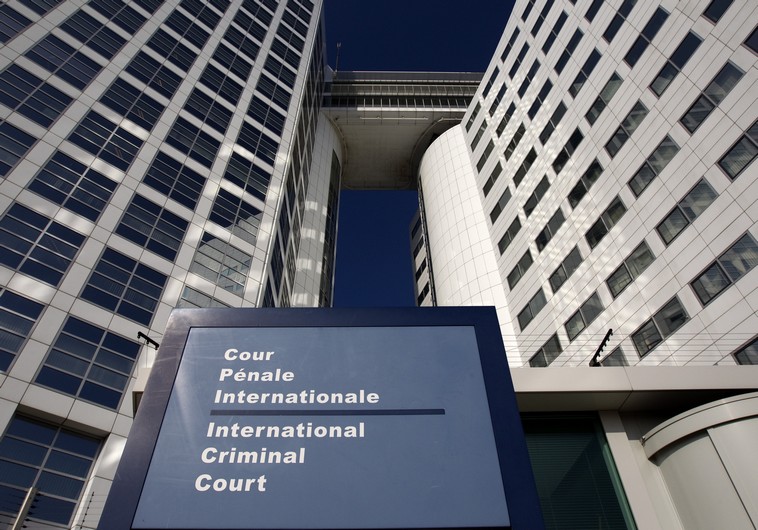
Two decades after the scorched villages of Darfur first seared the world’s conscience, justice has finally caught up with one of their architects. On October 6th, the International Criminal Court (ICC) in The Hague found Ali Muhammad Ali Abd-Al Rahman, better known as Ali Kushayb, guilty of war crimes and crimes against humanity for his role in the atrocities that ravaged western Sudan between 2003 and 2004.
Volker Türk, the UN’s High Commissioner for Human Rights, hailed the verdict as a long-awaited vindication for the victims. “These convictions are a recognition of immense suffering and a step toward long-denied justice,” he said, paying tribute to those who testified despite deep personal risk and trauma.
Kushayb, once a powerful commander of the Janjaweed militias that terrorised Darfur’s civilians, was found responsible for widespread killings, rapes, and persecution on ethnic and political grounds. The judgment, the first from a case referred to the ICC by the UN Security Council, underscores the Court’s continuing role as a tribunal of last resort when national justice fails.
The ruling arrives at a grimly relevant moment. Sudan is again engulfed in conflict, this time between the army and the Rapid Support Forces, the Janjaweed’s modern heirs. Reports of renewed massacres in Darfur lend Türk’s warning particular resonance: that today’s perpetrators “should take heed, impunity is no refuge.”
The ICC’s verdict may not heal Sudan’s open wounds, but it delivers a message that transcends borders: the long arm of justice, however delayed, can still reach those once thought untouchable.
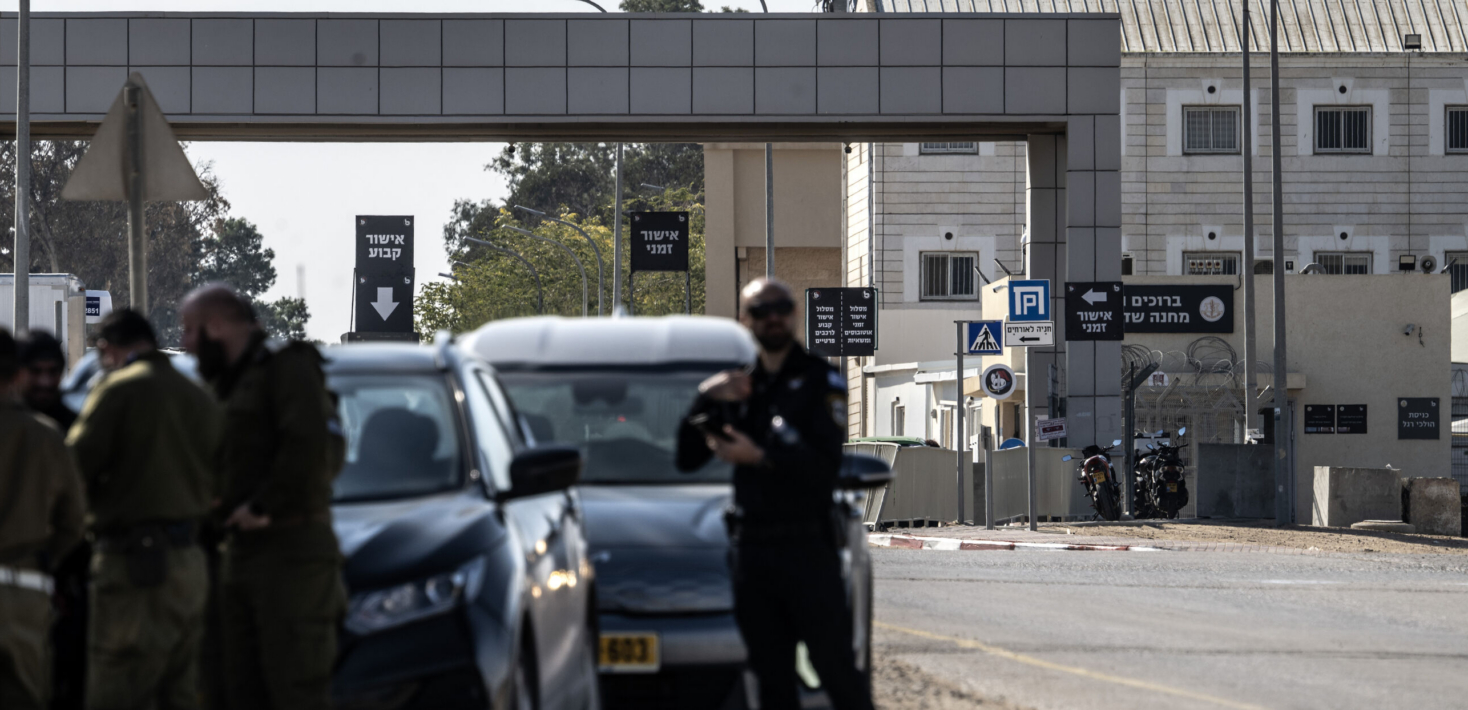
Impunity in Uniform/Israel’s Decision to Drop Charges Against Soldiers at Sde Teiman Is a Disgrace
The decision came at a moment of rising regional tensions and intense international scrutiny of Israel’s conduct in Gaza. That it was welcomed publicly by the prime minister, rather than...
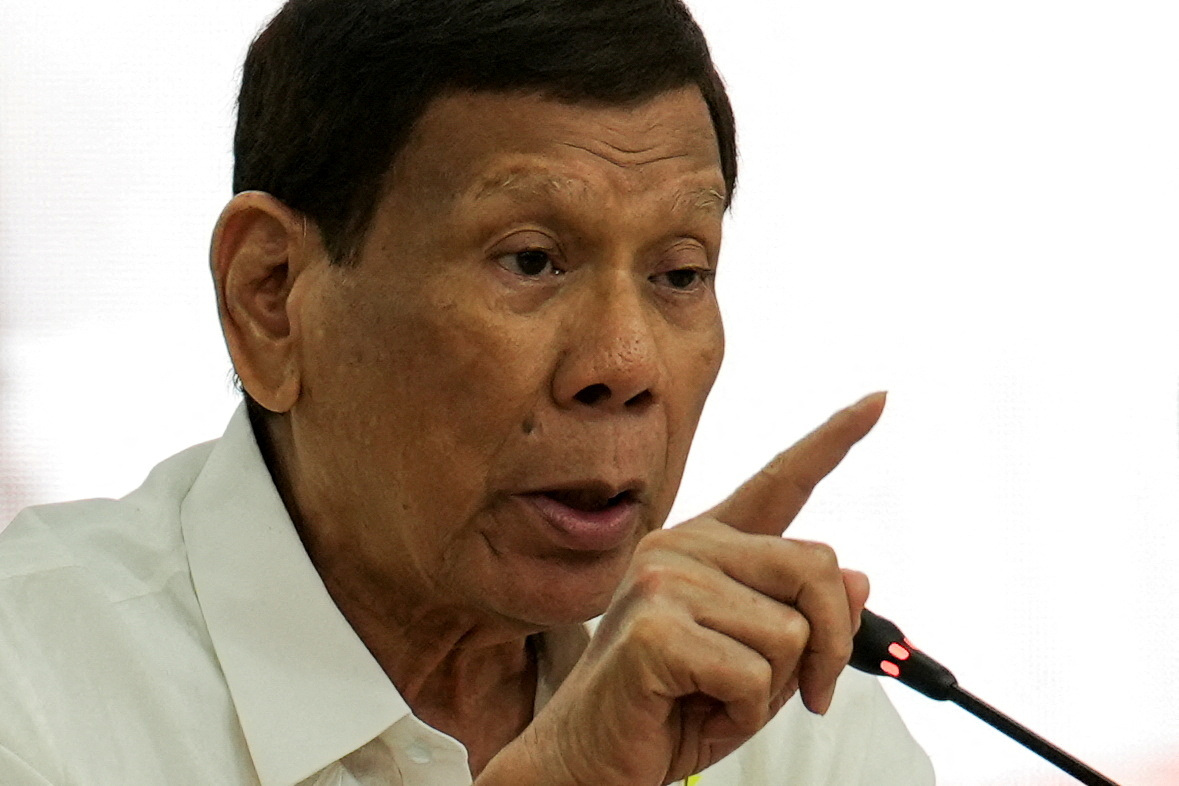
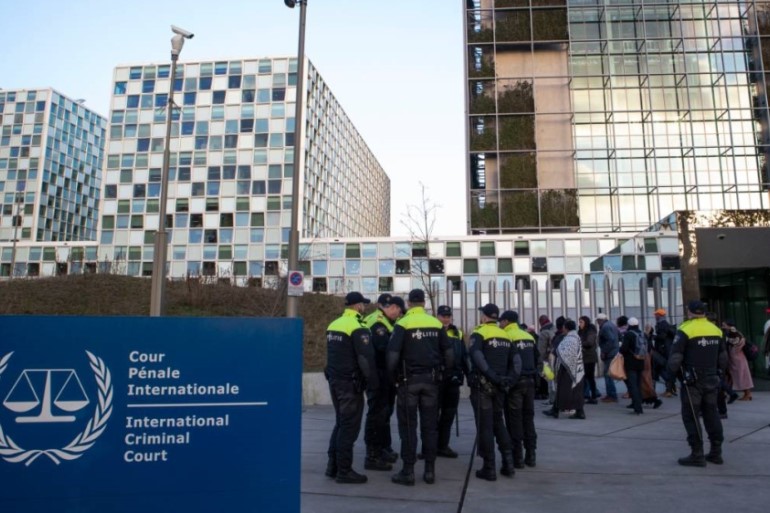
Duterte at the ICC, A Hague Hearing and the Burden of Domestic Justice
As discussions unfold in The Hague and beyond, the intersection of international and domestic efforts will be pivotal in addressing the legacy of Duterte’s administration and ensuring that...
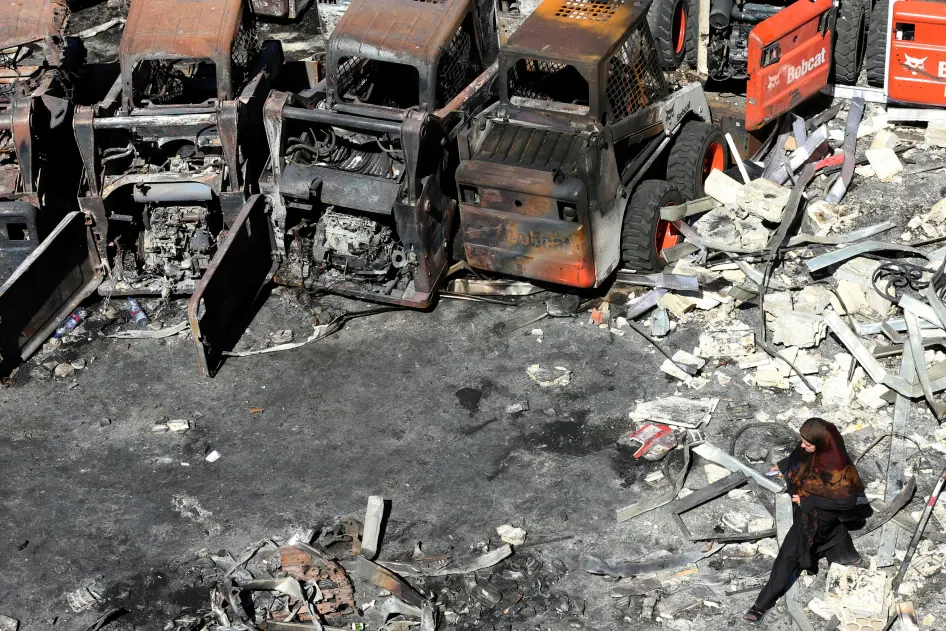
Lebanon’s Victims Await Remedies, A Roadmap for Justice, Truth, and Reparations
The letter recommends immediate steps: a public registrar of deaths and damage, independent domestic probes, an invitation to the UN special rapporteur on truth and reparations, and legislative...


Our Network
Our Channels

© 2026 Al Jazeera Media Network. All rights reserved.