

UK’s plan to use AI for asylum age verification raises child protection concerns

Archive/Al Jazeera.
On July 22, the UK government announced its intention to deploy AI facial recognition technology to determine whether asylum seekers are under 18. This move has sparked serious concern among child rights advocates. Asylum Minister Angela Eagle defended the decision, citing cost efficiency as a primary factor.
Critics argue that relying on unproven AI systems to assess a child’s age—and thereby their right to protection—is both unethical and legally questionable. Currently available facial age estimation tools have not been independently tested in real-life settings. Most have been designed to estimate if someone looks under 25 rather than under 18, creating a large margin of error, especially when distinguishing between older teenagers and young adults.
These AI systems analyze facial characteristics such as nostril spacing and skin texture, but do not account for the effects of trauma, malnutrition, dehydration, or harsh conditions endured during migration, all of which can prematurely age children’s appearances. This increases the risk of significant, harmful mistakes.
Additionally, the lack of transparency in how these AI tools reach conclusions undermines the ability of children to contest incorrect results and raises new issues around privacy and potential discrimination.
The UK government has a troubling record of misclassifying child asylum seekers as adults, subjecting them to harmful treatment.
Recently, the chief inspector of borders and immigration highlighted the emotional toll on young people who feel ignored and disbelieved by the Home Office.
While the government plans to open contracts for the technology in August and begin using it by 2026, experts urge a pause.
They recommend adopting age assessment procedures that align with international standards, are only used as a last resort to resolve serious doubts and are carried out by professionals trained in child welfare and trauma.
A young asylum seeker summed up the concerns, telling inspectors the government “should not be judging people on their appearance on the first day they meet them.”
Source: UN
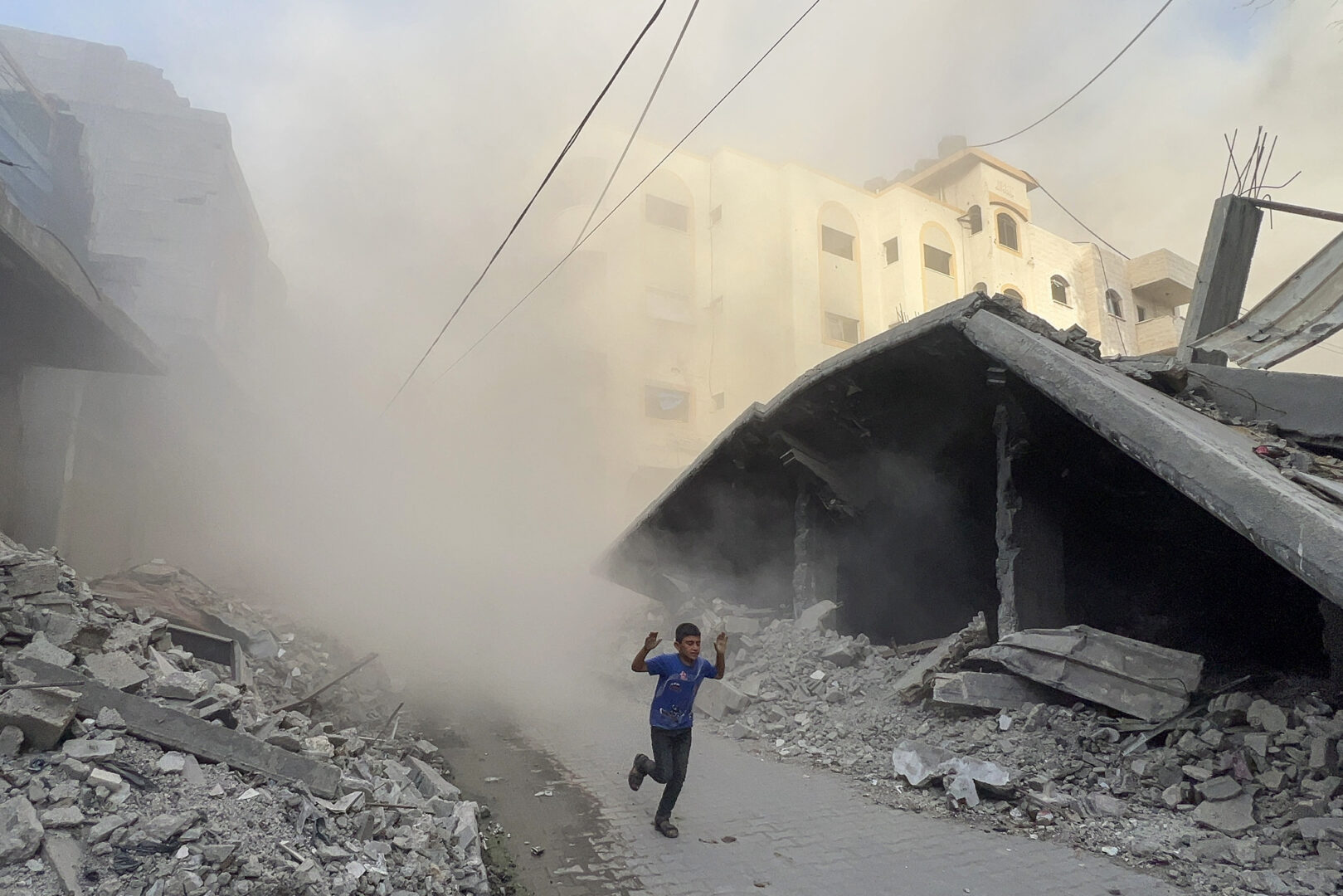
Lebanon’s Spillover and Gaza’s Board of Peace
The council’s exchanges on 03/24/2026 underscored an urgent human rights imperative: protect civilians across borders, ensure aid corridors such as Rafah and Kerem Shalom remain open, and make...

U.S. Immigration Policies Harm Pregnant Migrants
ICE’s official policy states that pregnant, postpartum, or nursing women are generally not to be detained for administrative immigration violations unless legally required or under exceptional...


- Most Viewed
- Most Popular






Our Network
Our Channels

© 2026 Al Jazeera Media Network. All rights reserved.