

The Rohingya’s Peril at Sea
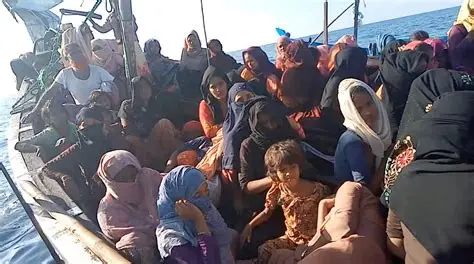
Archive/Al Jazeera.
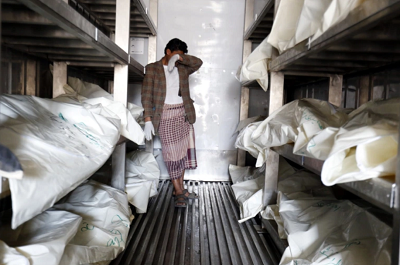
Once again, the Andaman waters have become a graveyard. Off the maritime border between Malaysia and Thailand, a boat crowded with refugees from Myanmar’s long-persecuted Rohingya community capsized late last week, leaving dozens unaccounted for. Twenty-one bodies have so far been recovered, twelve in Malaysia and nine in Thailand, according to Romli Mustafa, a senior official with Malaysia’s maritime agency. The search, he said, will continue for another seven days.
Thirteen survivors, most of them Rohingya, were pulled from the water after the vessel went down. They recounted a journey that began in Buthidaung, a township in Myanmar’s Rakhine State. Around 300 people are thought to have boarded the original boat, which was later divided into smaller craft to slip past coastal patrols undetected. Only a handful made it ashore alive.
For the Rohingya, exile has become a way of life. Decades of discrimination and a brutal military crackdown in 2017, one that forced some 750,000 people to flee to Bangladesh, have pushed many to risk everything at sea. Every year, as calmer weather settles between October and April, boats packed with men, women and children depart from Myanmar and Bangladesh, heading for the shores of Malaysia, Thailand or Indonesia. Few arrive safely.
The response from regional governments has been hesitant at best. Malaysia, which already shelters more than 100,000 registered Rohingya, often turns away new arrivals, citing limited capacity and security concerns. Others who land are detained indefinitely. In the absence of coordinated regional policy, smugglers and traffickers profit, while the stateless continue to drift between borders, trapped between indifference and despair.
For those still missing in the waters off Langkawi, the sea that once seemed a path to freedom now holds only silence.

Living in Limbo, An Iranian Refugee’s Plea to an Inconsistent Australia
The urgency for sustainable and compassionate solutions that prioritize human rights cannot be overstated. Upholding the fundamental values of family unity, facilitating accessible avenues for...

Militarized Immigration Enforcement in the USA
The focus is on the intersection of immigration policy and military tactics, highlighting the consequences of this approach and potential alternatives for a more humane and effective...

A Damning Report on UK and France’s Handling of Child Asylum Seekers in the English Channel
The report is replete with heart-wrenching testimonies from children suffering serious chemical burns from dinghy fuel, enduring symptoms of trauma, and tragically, experiencing fatalities due...
- Most Viewed
- Most Popular





Our Network
Our Channels

© 2026 Al Jazeera Media Network. All rights reserved.