

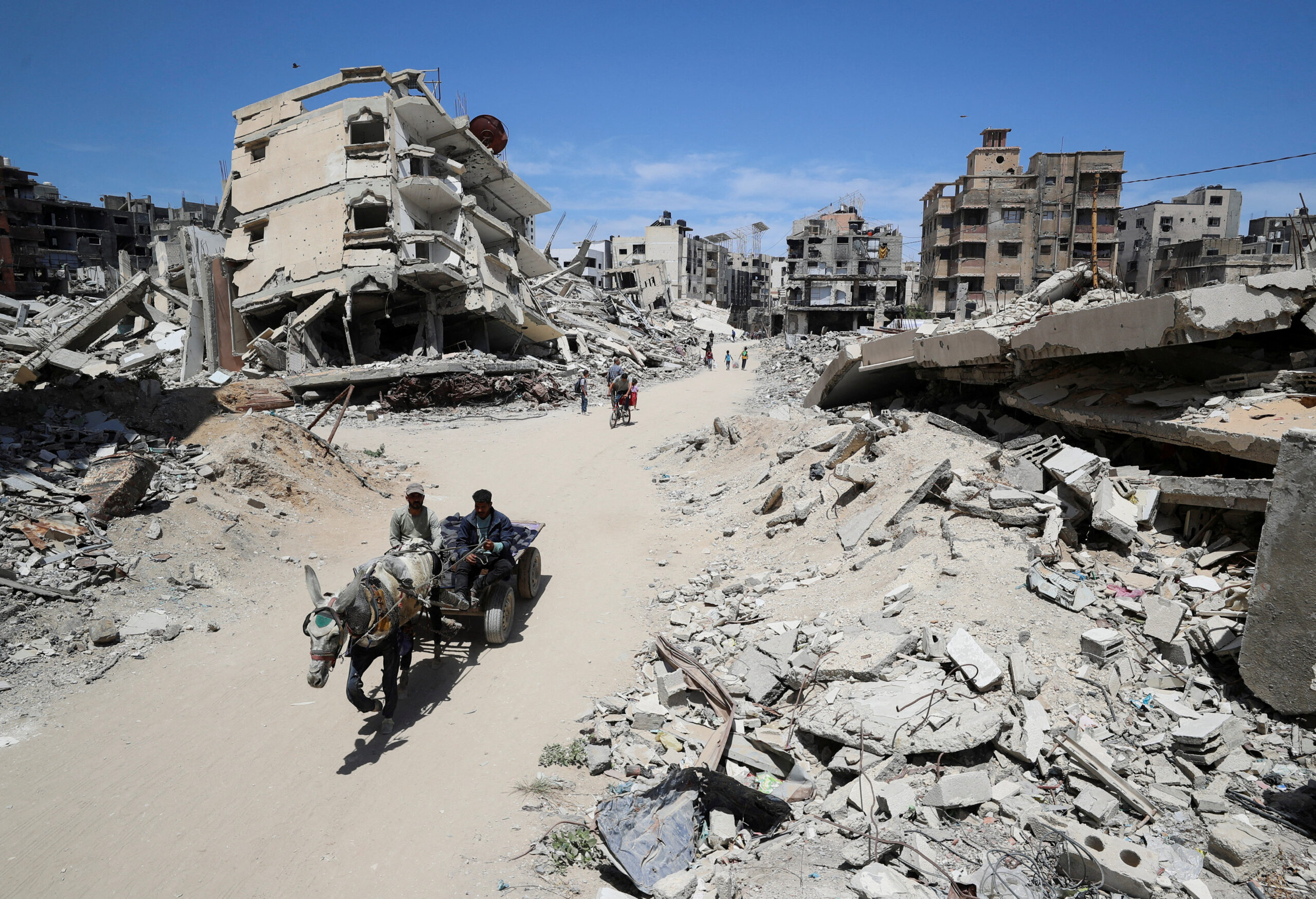
Gaza/Archive/Al Jazeera.
The relentless pulverising of cities from Ukraine’s Donbas to Gaza’s cramped alleys has revived an old debate: whether states that fight in urban terrain can be trusted to protect those who live in it. A new report from Human Rights Watch and the International Human Rights Clinic at Harvard argues that they cannot be left to their own devices, and that the political declaration adopted in Dublin three years ago needs sharper teeth.
Explosive weapons behave predictably in one respect: they flatten the places where most people now live. Artillery shells, missiles, rockets, and air-dropped munitions create blast and fragmentation effects that do not respect property lines or civilian status. Casualties are overwhelmingly civilian. Infrastructure collapses: water and power networks fail; cultural heritage is erased. The refugee flows that follow can remake entire regions.
The Dublin declaration, though nonbinding, sought to curb this by urging signatories to “restrict or refrain” from using such weapons in populated areas, to collect data on their effects, and to assist victims. The report being circulated ahead of the second international conference on the declaration, due in San José, takes governments several steps further. It sketches seven principles that, if adopted, would turn vague pledges into operational constraints.
The gist is simple but radical: treat civilian protection as the centre of military planning, not its periphery. That means understanding the full humanitarian consequences of each strike; cooperating widely with civil society; making data public; internalising the norms through national legislation; and promoting them to countries that have not endorsed the declaration at all.
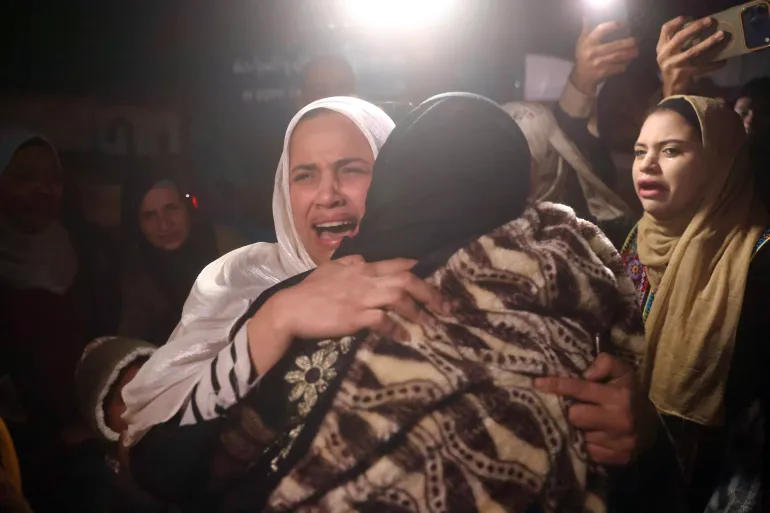
Conflict zones today offer ample evidence of the alternative. Whether in the ruins of Mariupol, the shattered quarters of northern Gaza, or the tormented east of Congo, artillery and aerial bombardment have repeatedly shown their tendency to make civilians the primary casualties. States that continue to argue that international humanitarian law provides sufficient guardrails are increasingly difficult to take seriously.
If the declaration is to matter, governments will need to prove through budgets, doctrine, and political will that the protection of civilians is not optional. The Dublin text may be only a political instrument, but norms have a habit of hardening into expectations. Standards pioneered by a few can, over time, shape the behaviour of many.
Laws of War, Human Rights Watch Demands Scrutiny of All Strikes
HRW emphasised protection of civilians, scrutiny of weapon use such as cluster munitions and landmines, and immediate steps to release arbitrarily detained protesters in Iran who face risks of...
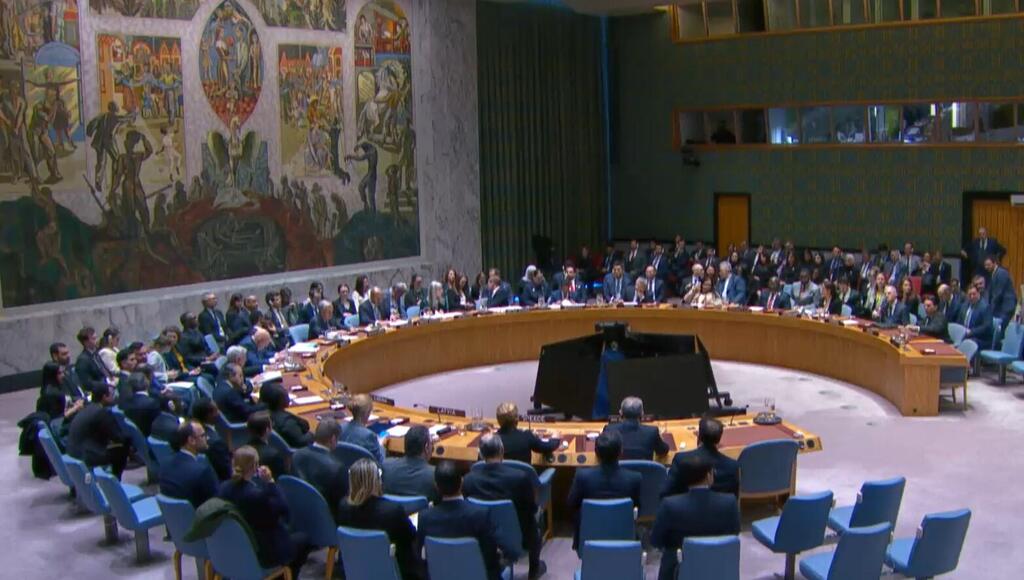
A Blaze on Human Rights & Diplomacy
Humanitarian stakes are high, with credible reports of civilian casualties following strikes on densely populated areas, and disruptions to aid flows to Gaza and elsewhere (Reuters, 28 Feb...



Our Network
Our Channels

© 2026 Al Jazeera Media Network. All rights reserved.