


The Human Rights Case for a Fair Energy Transition
Archive/Aljazeera.
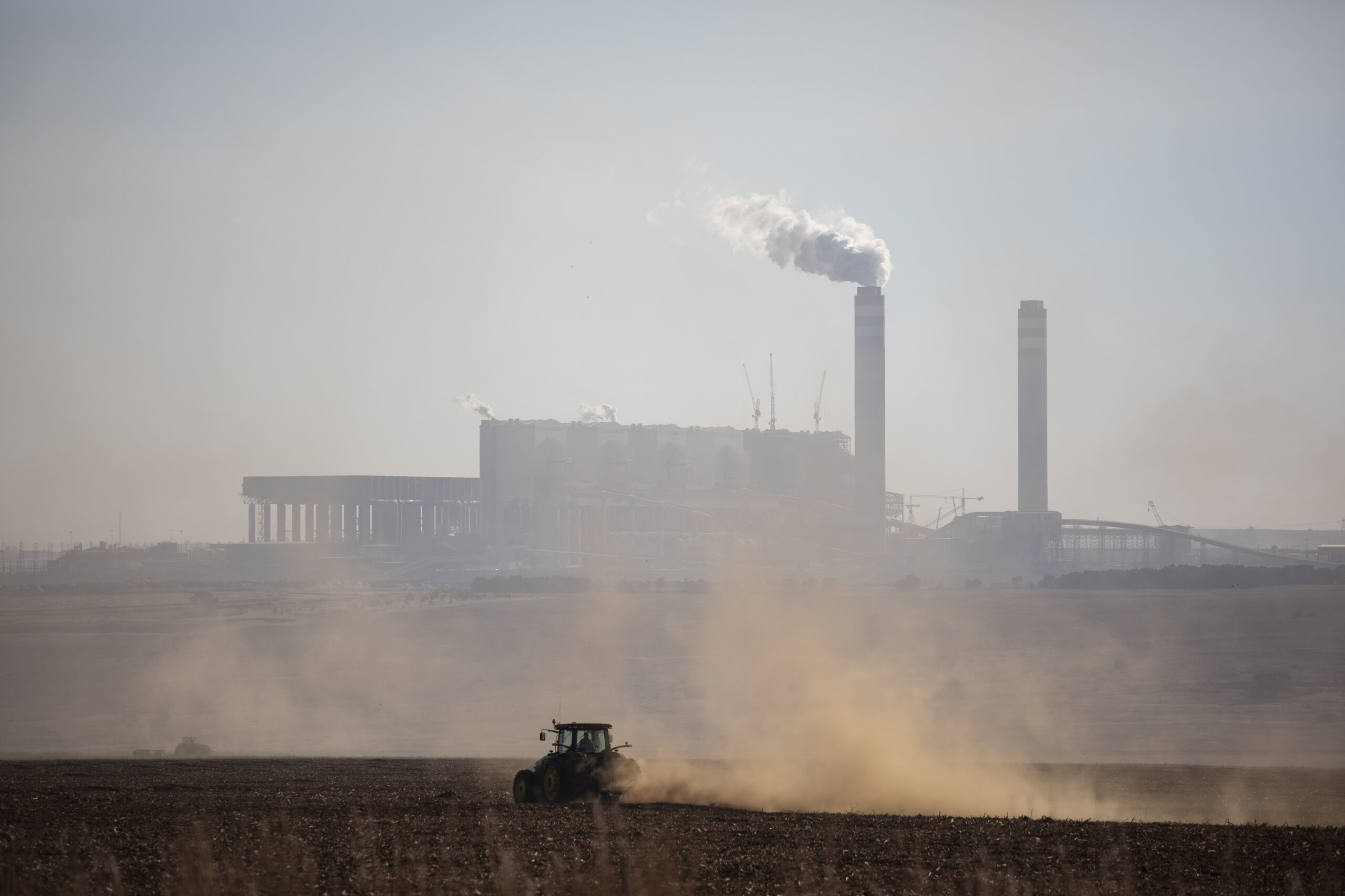
It is a question that has shadowed every climate summit since Paris: who bears the cost of getting the world off fossil fuels, and who decides the pace? A submission by Amnesty International to the COP30 presidency stakes out a clear answer. Human rights law, it argues, is not a soft adjunct to climate diplomacy, it is the only reliable compass for navigating what follows.
The core of the submission is a principle that sounds simple but carries enormous political weight: that those who caused the crisis should bear primary responsibility for addressing it. The language of “polluter pays” has circulated in environmental law for decades, but Amnesty insists it be given teeth in the transition framework. Rich nations and the corporations that profited from a century of carbon extraction cannot, in this view, simply write cheques for green infrastructure at their own convenience and call it justice.
The 1.5°C target must remain non-negotiable, not as an aspiration, but as a legal and moral commitment to the communities already losing land, livelihoods, and lives.
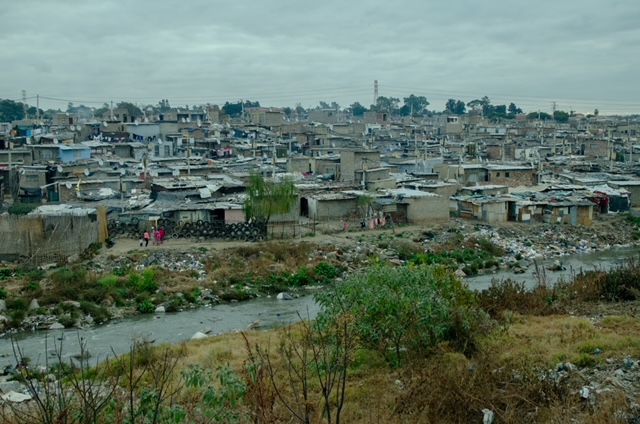
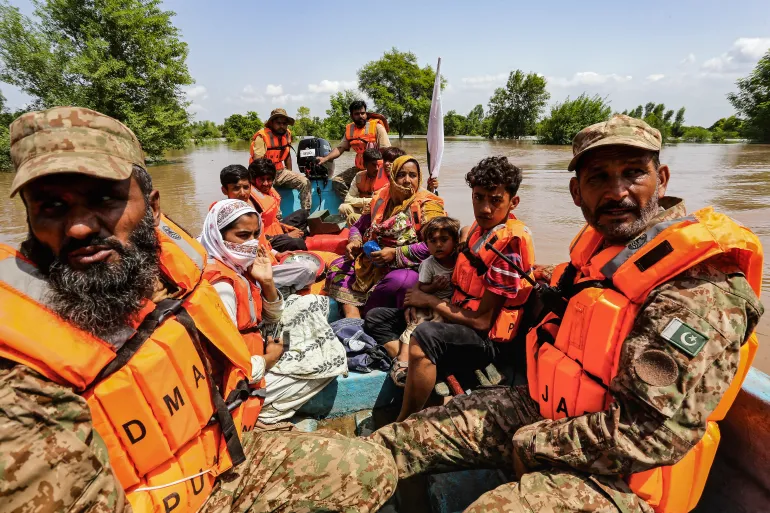
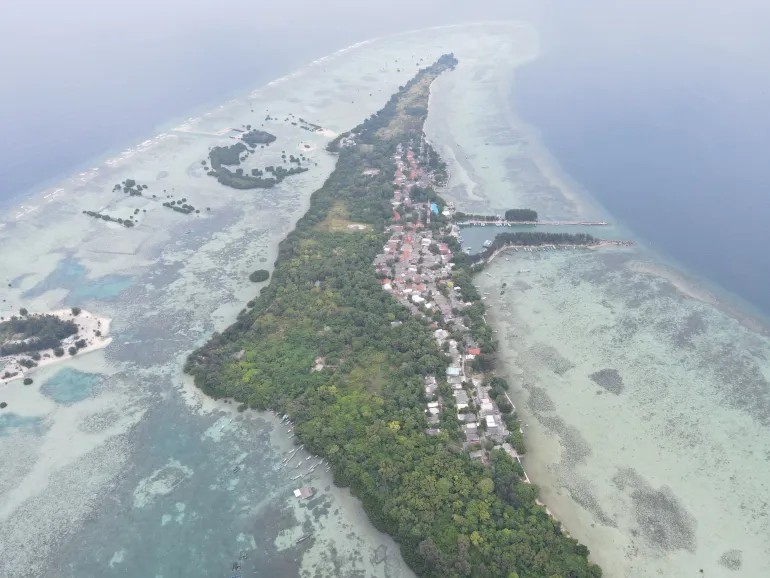
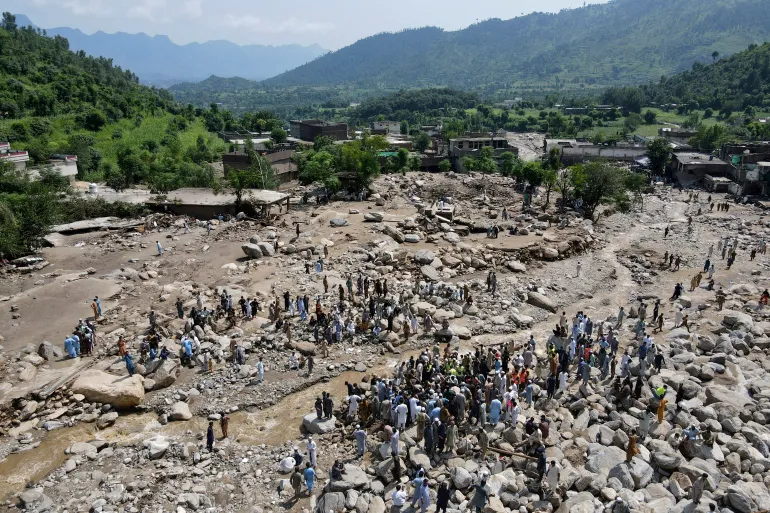
The submission is particularly pointed on the question of inequality. Climate change does not strike evenly. Small island states, sub-Saharan communities, indigenous peoples, and the urban poor are losing the most while having contributed the least. Any transition plan that fails to account for this — that treats the energy shift as a purely technical exercise in swapping one fuel source for another — will, Amnesty argues, deepen the injustices it claims to address.
Whether the COP30 presidency in Belém will embed such language into the final negotiating text remains, as ever, uncertain. The gap between the principled submission and the bracketed compromise is the terrain on which climate diplomacy has always been fought.
Mozambique, Flooding, and Imminent Dam Risk
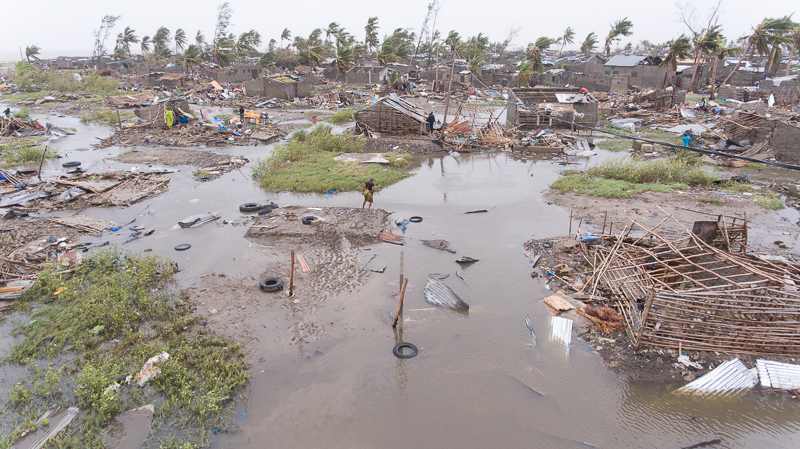
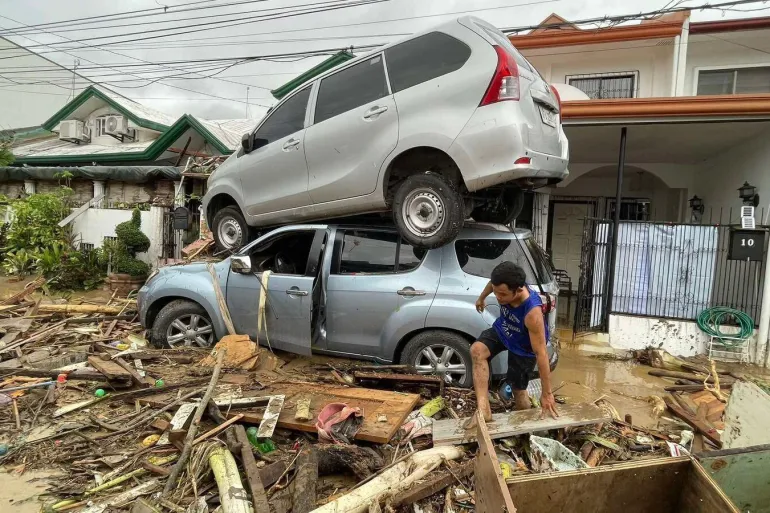
The United Kingdom dispatched search-and-rescue teams on Tuesday and Thursday to support Mozambican authorities, underscoring an international response to a fast-moving humanitarian emergency.
United States, Winter Storm, Transport Paralysis and Federal Emergency Declarations
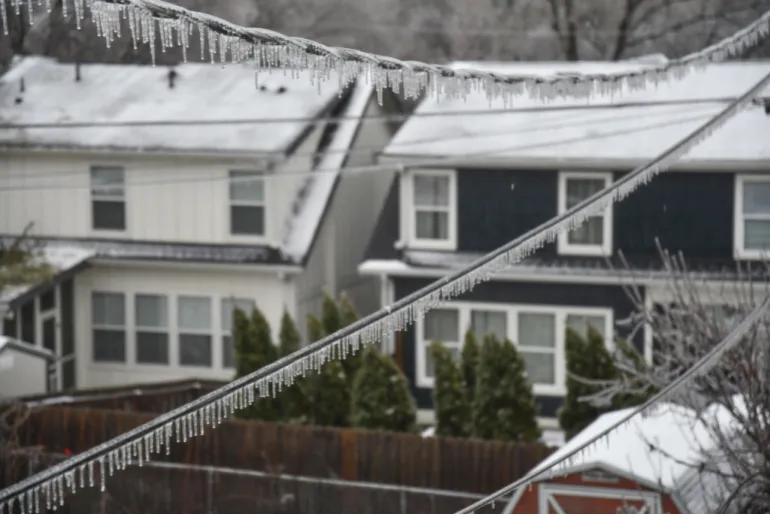
President Donald Trump approved federal emergency disaster declarations for 12 states: South Carolina, Virginia, Tennessee, Georgia, North Carolina, Maryland, Arkansas, Kentucky, Louisiana,...




Our Network
Our Channels

© 2026 Al Jazeera Media Network. All rights reserved.