
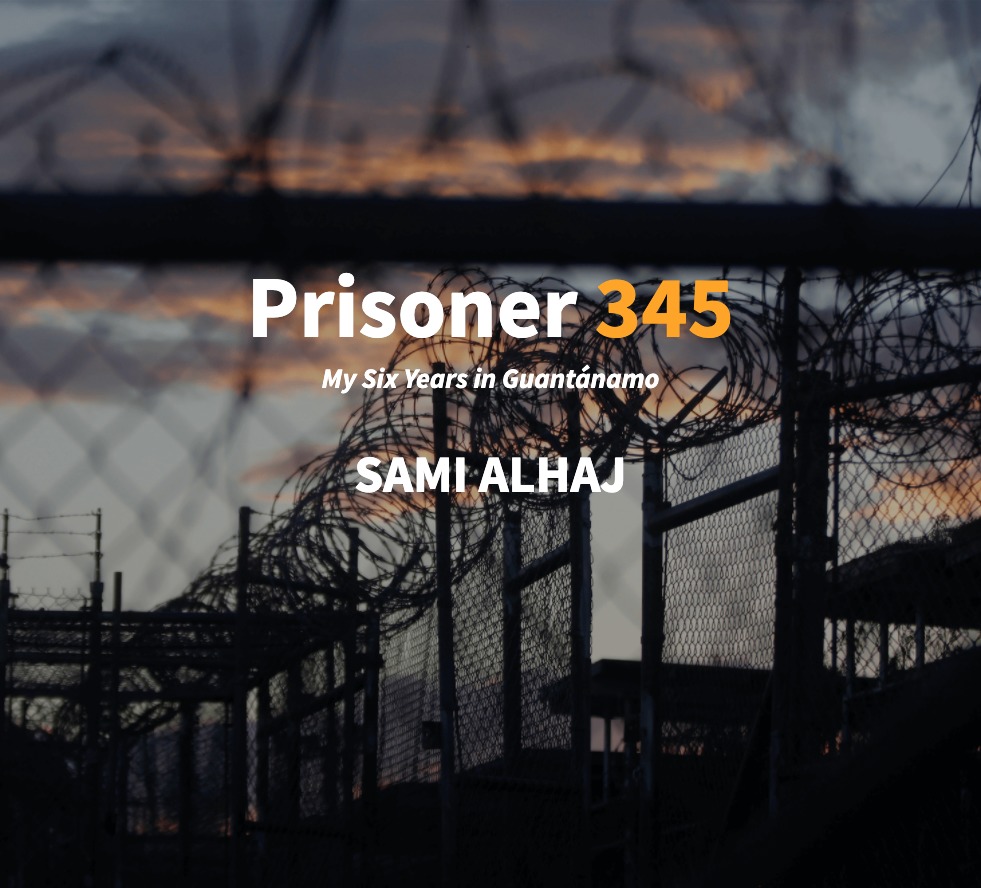

The Human Cost of Military Aggression
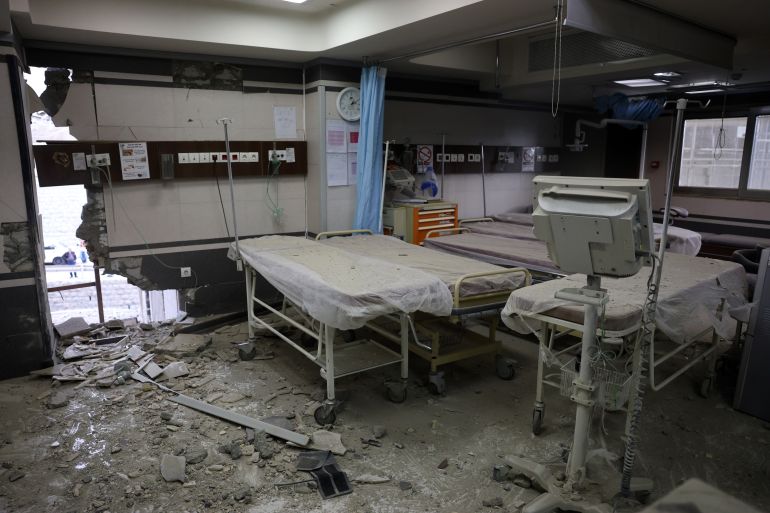
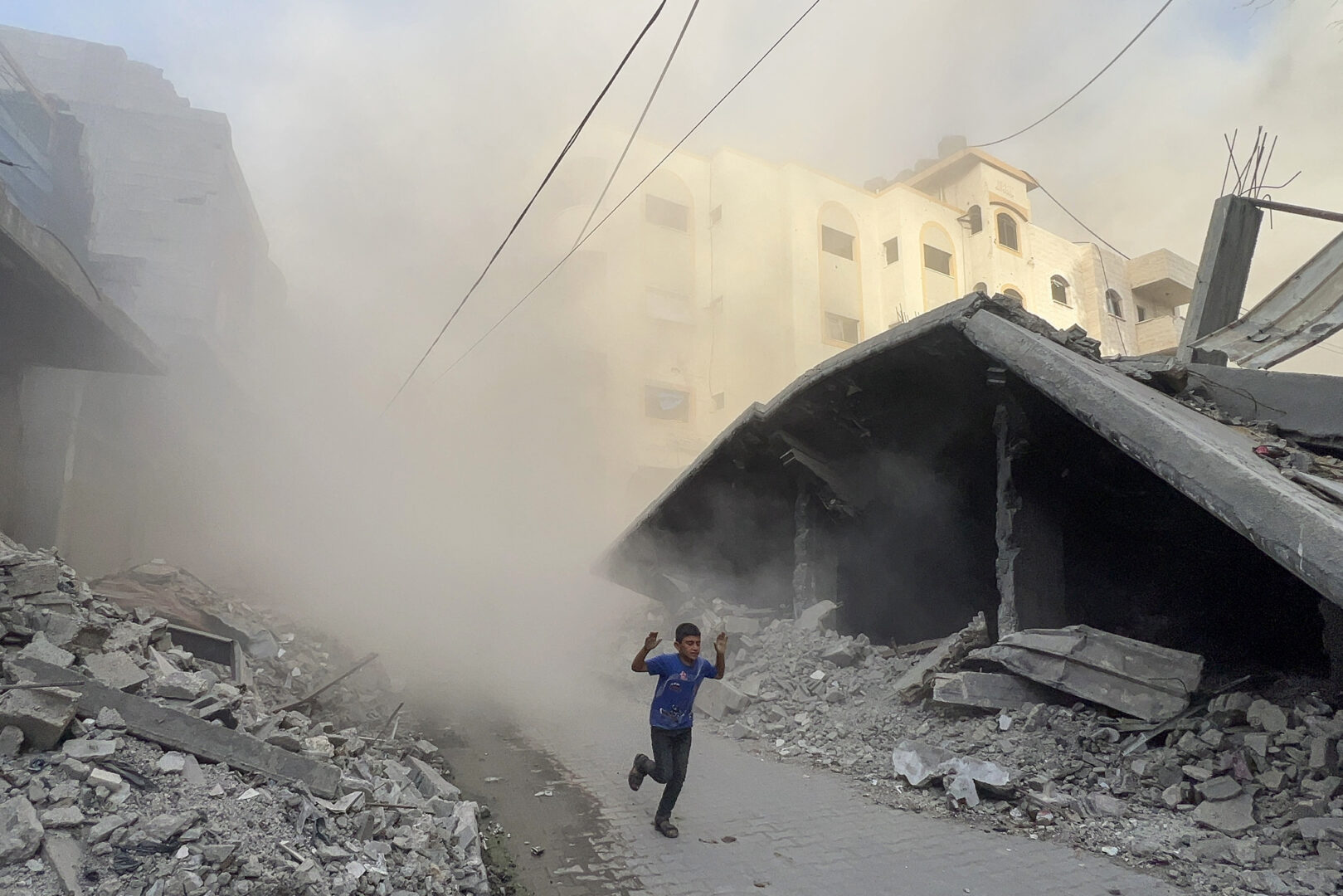
Source: EPA
The recent bombing of a primary school in Minab, southern Iran, during a series of military attacks by the United States and Israel, has drawn international outrage and condemnation. UNESCO, the United Nations education agency, has described this tragic incident as a profound violation of humanitarian law, emphasizing that educational institutions should remain sanctuaries of learning, free from the ravages of conflict.
Reports indicate that the strike obliterated a girls’ primary school, resulting in approximately 150 fatalities and nearly 100 injuries, many of whom were innocent students. The agency has expressed grave concern over the ongoing military onslaught, which persisted into Sunday, highlighting the risks posed to both students and educators amidst such violence. UNESCO’s statement underscores that international humanitarian law mandates protection for pupils in educational settings and that attacks on schools fundamentally jeopardize the right to education.
This calamity has spurred a unified response from various factions within the United Nations system, including Secretary-General António Guterres, who have denounced not only the initial military actions but also the subsequent retaliatory strikes by Iran affecting several nations across the Middle East. Such a cycle of violence risks escalating tensions further in an already fragile region.
Prominent figures have voiced their dismay over this humanitarian crisis. Malala Yousafzai, the United Nations Messenger of Peace and Nobel laureate, expressed her heartbreak and outrage at the assault. In a poignant social media post, she characterized the killing of civilians, especially children, as an “unconscionable” act, calling for an immediate halt to the tide of violence and seeking accountability for those responsible. She urged all nations involved to honor their commitments under international law to safeguard civilian lives and protect educational institutions, asserting that every child has the right to learn and grow in peace.
Malala, widely recognized as a champion for girls’ education following her near-fatal shooting in Pakistan in 2012 for opposing Taliban constraints, now stands as a powerful advocate for the protection of human rights in conflict zones. Her passionate plea reflects a broader call for a collective response from the international community to ensure that such atrocities do not become the norm in any part of the world. The tragic events in Minab serve as a stark reminder of the pressing need for sustained efforts to uphold humanitarian principles and to strive for a future where all children can pursue their education without fear.
Words That Kill …
Officials from the United States, Iran, and Israel are using rhetoric that signals dangerous contempt for the laws of war. The civilians caught in between will pay the price.
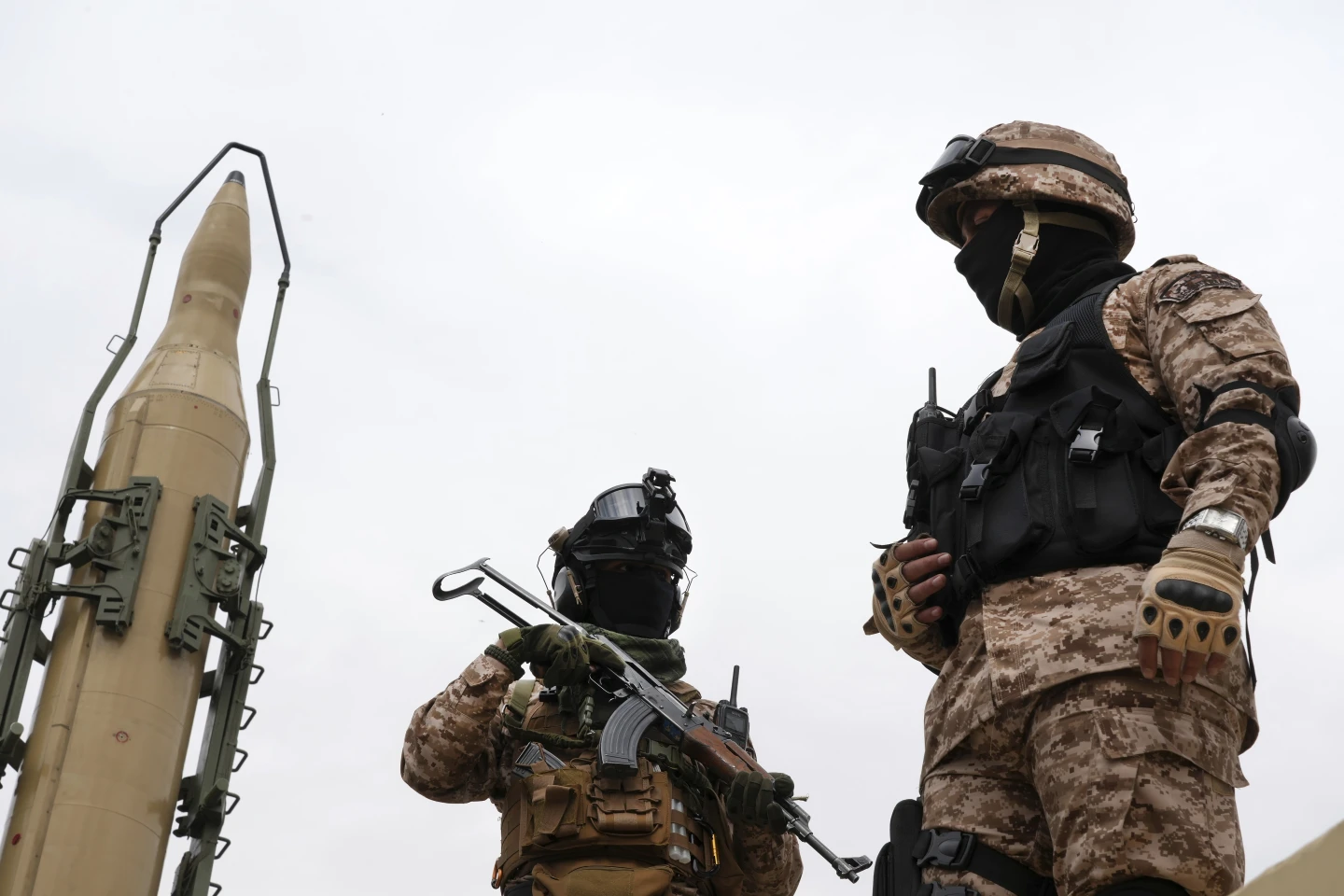
Iran War/Twelve Years Old and Fit for Duty!
Iran’s Revolutionary Guards are recruiting children as young as 12. Under international law, enlisting those under 15 is a war crime.


Our Network
Our Channels

© 2026 Al Jazeera Media Network. All rights reserved.