

The Hague’s Test of Credibility
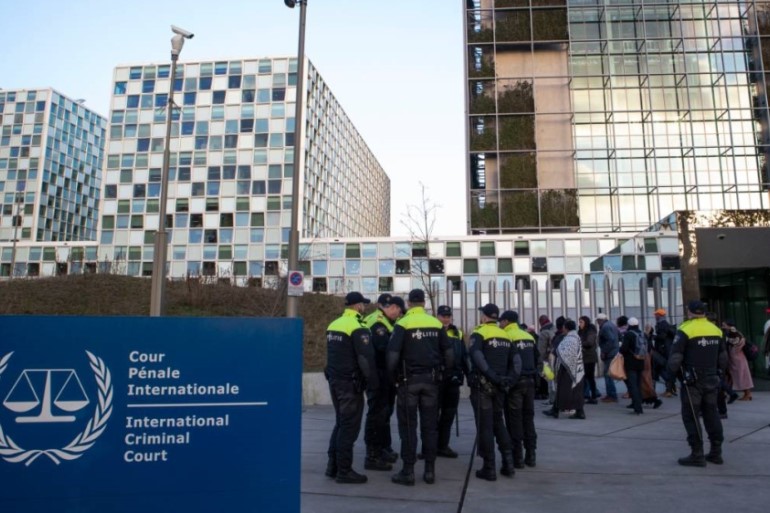
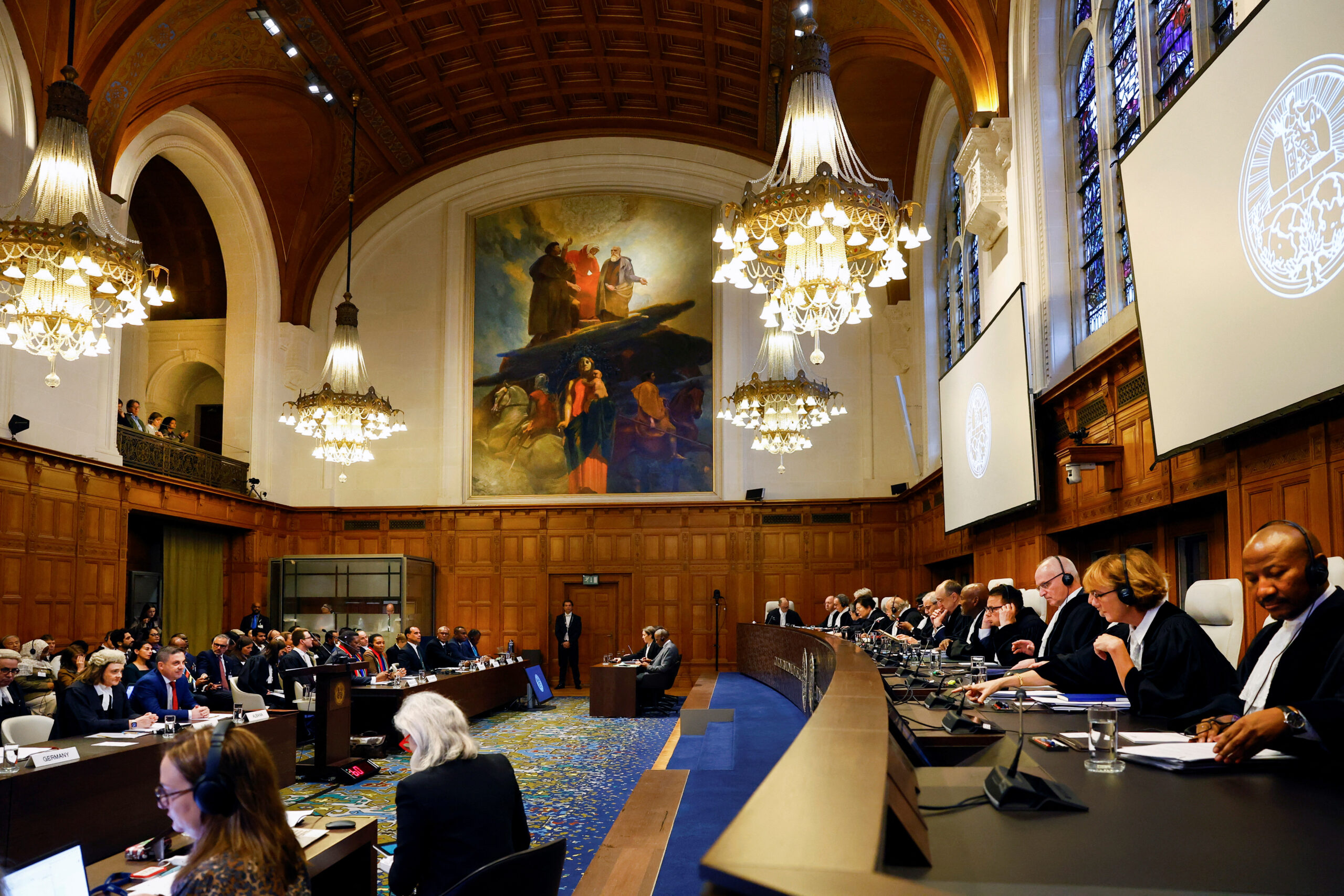
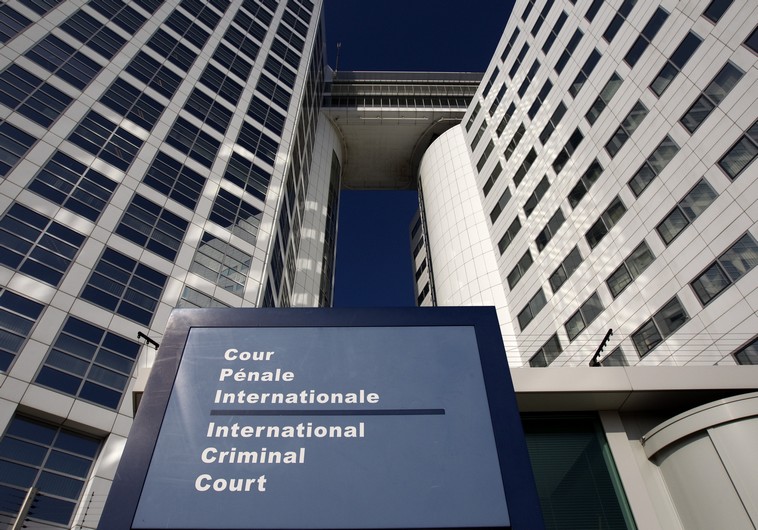
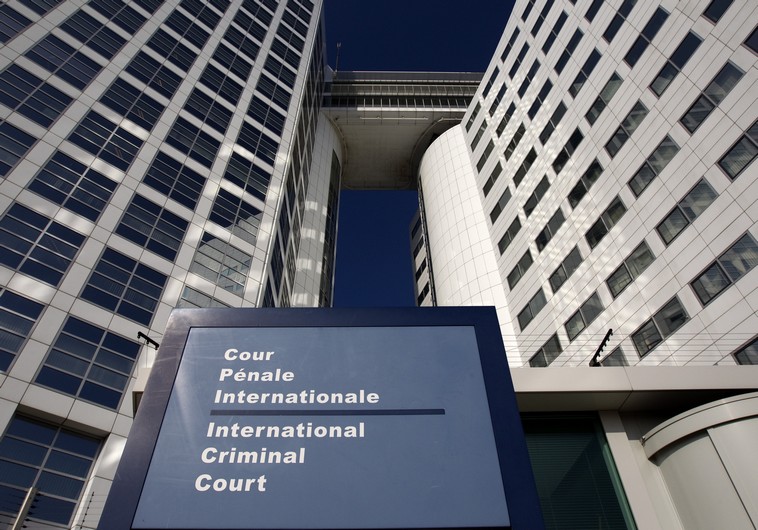
The International Criminal Court will this week deliver its first verdict on atrocities committed in Sudan’s Darfur conflict more than two decades ago. The defendant, Ali Muhammad Ali Abd-Al-Rahman, known as “Ali Kushayb”, stands accused of orchestrating murder, rape and torture as a Janjaweed commander between 2003 and 2004. Judges are expected to rule on charges of war crimes and crimes against humanity linked to the campaign that left hundreds of thousands of dead.
Yet the judgment comes at a precarious moment for the court itself. Several African states, including Burkina Faso, Mali and Niger, have withdrawn recognition of the ICC, accusing it of selective justice and neo-colonial bias. Rwanda, too, has voiced scepticism, echoing a wider discontent over the court’s heavy focus on African defendants.
Critics note that of the ICC’s 33 cases since its founding in 2002, nearly all have involved African countries. Supporters counter that the latest withdrawals coincide with deepening military ties to Russia, a country whose president remains subject to an ICC arrest warrant. Hungary’s recent exit, as Moscow’s closest ally in the EU, has further strained perceptions of the court’s universality.
As the Darfur verdict looms, The Hague faces a familiar paradox: delivering justice for past horrors while defending its own legitimacy in an increasingly divided world.
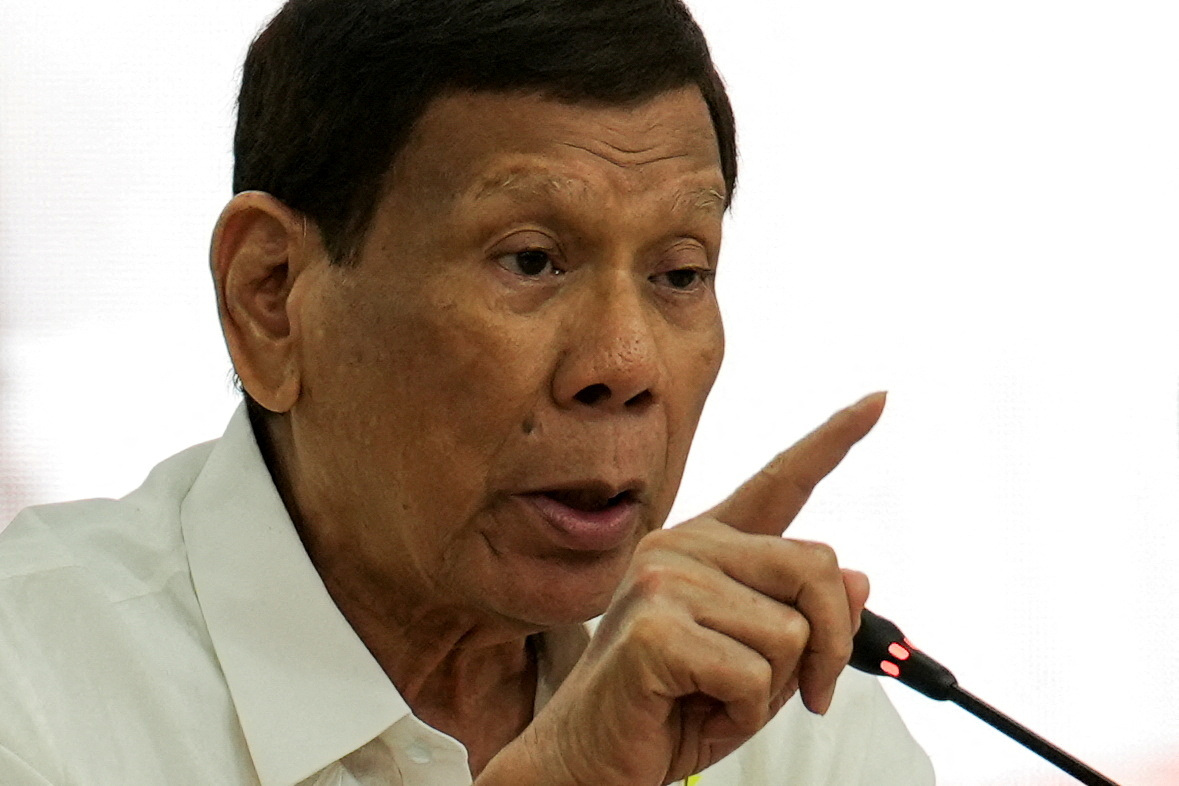
Duterte at the ICC, A Hague Hearing and the Burden of Domestic Justice
As discussions unfold in The Hague and beyond, the intersection of international and domestic efforts will be pivotal in addressing the legacy of Duterte’s administration and ensuring that...
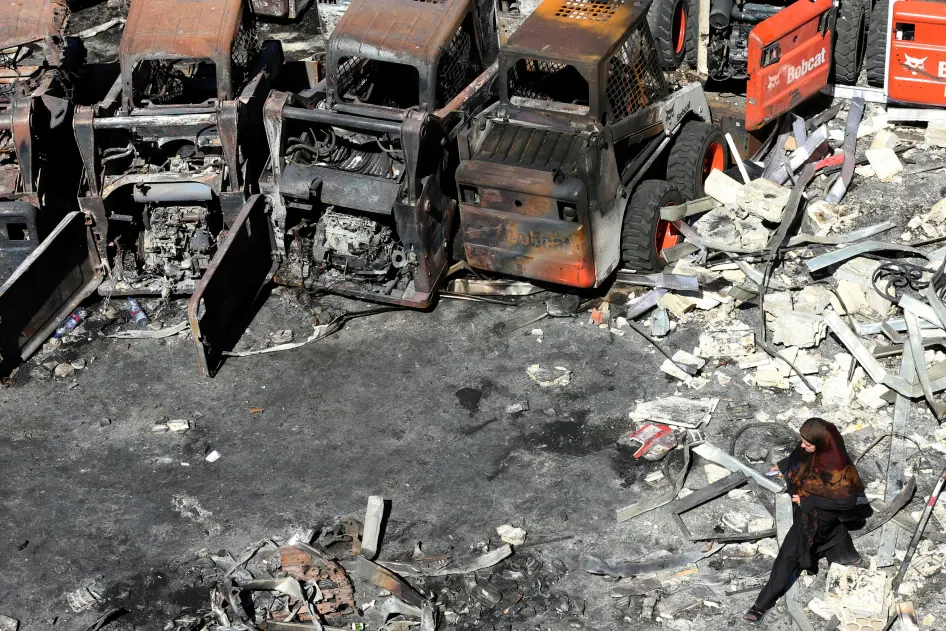
Lebanon’s Victims Await Remedies, A Roadmap for Justice, Truth, and Reparations
The letter recommends immediate steps: a public registrar of deaths and damage, independent domestic probes, an invitation to the UN special rapporteur on truth and reparations, and legislative...
The ICC’s Unfinished Work, Prosecuting Grave Crimes in Ukraine Remains Essential
Western partners should support investigative capacity in Ukraine, fund documentation efforts, and coordinate to ensure that warrants do not become symbolic, but tools that can lead to arrests...
- Most Viewed
- Most Popular




Our Network
Our Channels

© 2026 Al Jazeera Media Network. All rights reserved.