

Students, Scholars, and Survivors Gather in Graz to Confront the Politics of Camps
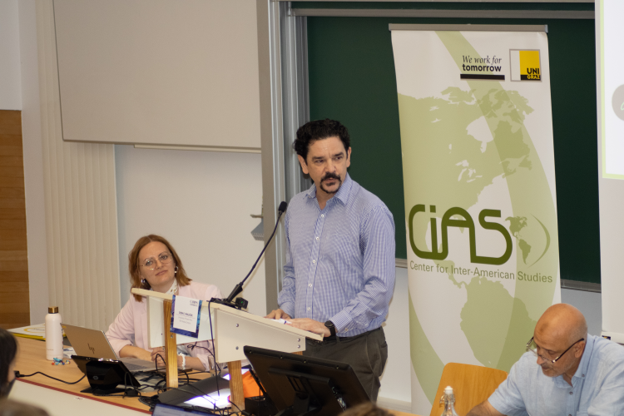
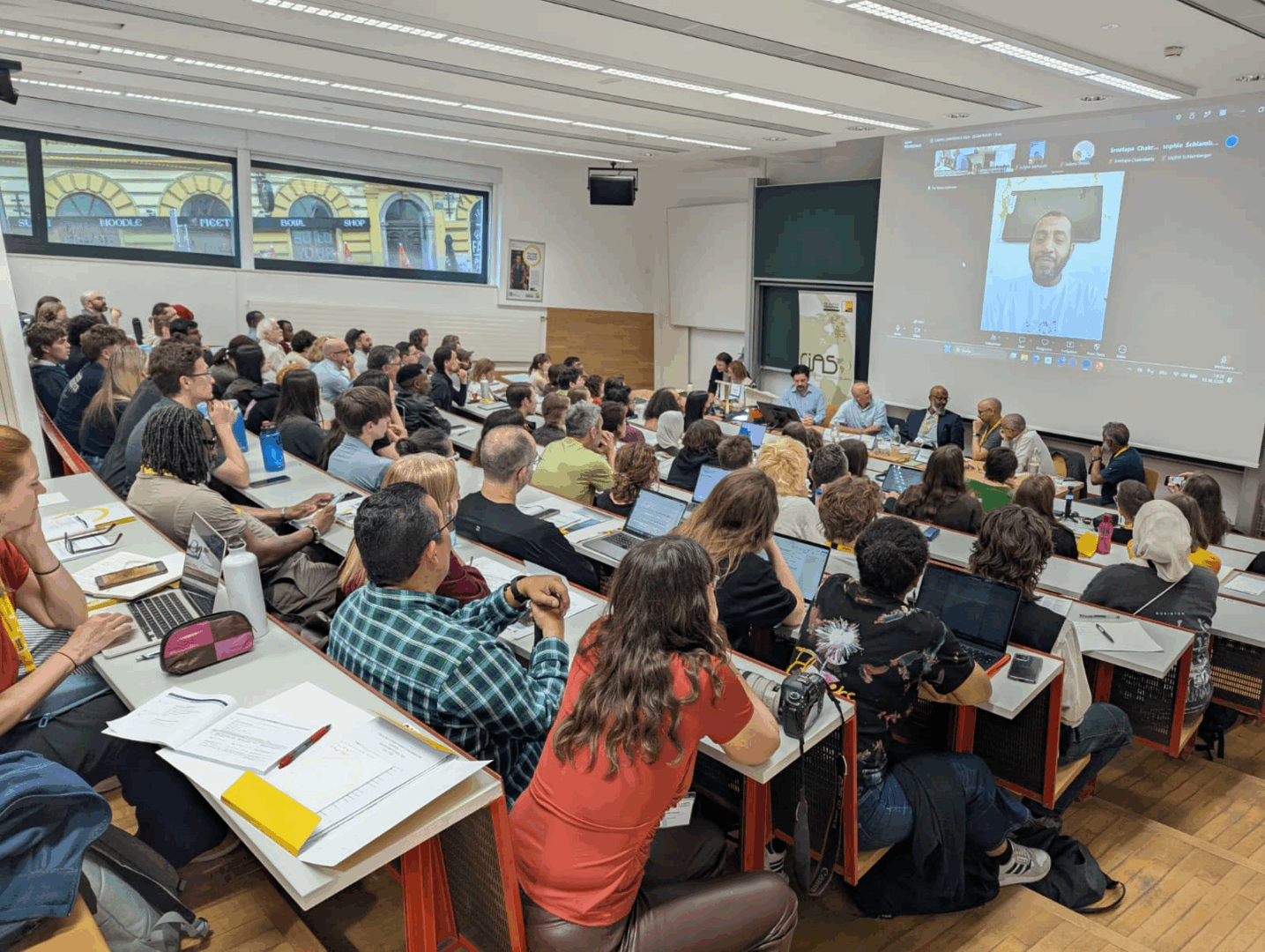
Over four days, the conference featured 125 individual presentations spanning history, literature, anthropology, law, discourse analysis, and political science, alongside special events featuring music, poetry, and visual art.
GRAZ, Austria. More than 125 students, scholars, writers, and others with interests in human rights convened here from 4 to 7 June for “Camps, Belonging, and Abolition Democracy,” the third instalment of a biannual conference series examining the social, legal, and cultural dynamics of detention, displacement, and confinement around the world, as well as the perspectives, critical, humanistic, and hopeful, that emerge both from those spaces and from the creative work and scholarship that focuses on them.
The conference was co-sponsored by the Centre for Inter-American Studies at the University of Graz, together with the Institute of Caribbean Studies and the Department of English at the University of Puerto Rico, Río Piedras Campus. It was organised by Nicole Haring of the University of Graz and Don E. Walicek of the University of Puerto Rico, continuing a partnership that has, over three iterations, built a sustained international forum for research at the intersection of the humanities, the social sciences, and questions of human rights. Participants travelled from 42 different countries and territories to take part.
One of the key concepts in this year’s theme, abolition democracy, gave the gathering a framework that organisers said was deliberately both critical and constructive. The concept, rooted in the work of theorists such as Angela Davis who trace its origins to W.E.B. Du Bois’s writing on Reconstruction, names not only the dismantling of unjust carceral institutions but also the building of the democratic structures and social commitments needed to replace them. Conference organisers said the framing responds to the rapid expansion of camps, camp-like spaces, and detention facilities worldwide, which has led to the holding of millions of migrants, refugees, asylum seekers, and others, including prisoners confined without due process, in conditions that increasingly risk becoming normalised.
Over four days, the conference featured 125 individual presentations spanning history, literature, anthropology, law, discourse analysis, and political science, alongside special events featuring music, poetry, and visual art. A central roundtable brought together scholars for a sustained critical reflection on the concept of freedom itself, examining how it has been mobilised historically and in the present to justify bondage, liberation, and international conventions and institutions charged with the protection of rights.
Three keynote speakers anchored the conference: Rinaldo Walcott, a scholar known for his work on Black studies and the afterlives of slavery; Elithet Silva Martínez, a social worker whose research addresses displacement, women’s migration in the Caribbean and community alliances; and Diana Coleman, a scholar of religion and cultural studies who has published on the rhetoric and ritual functions of American empire.
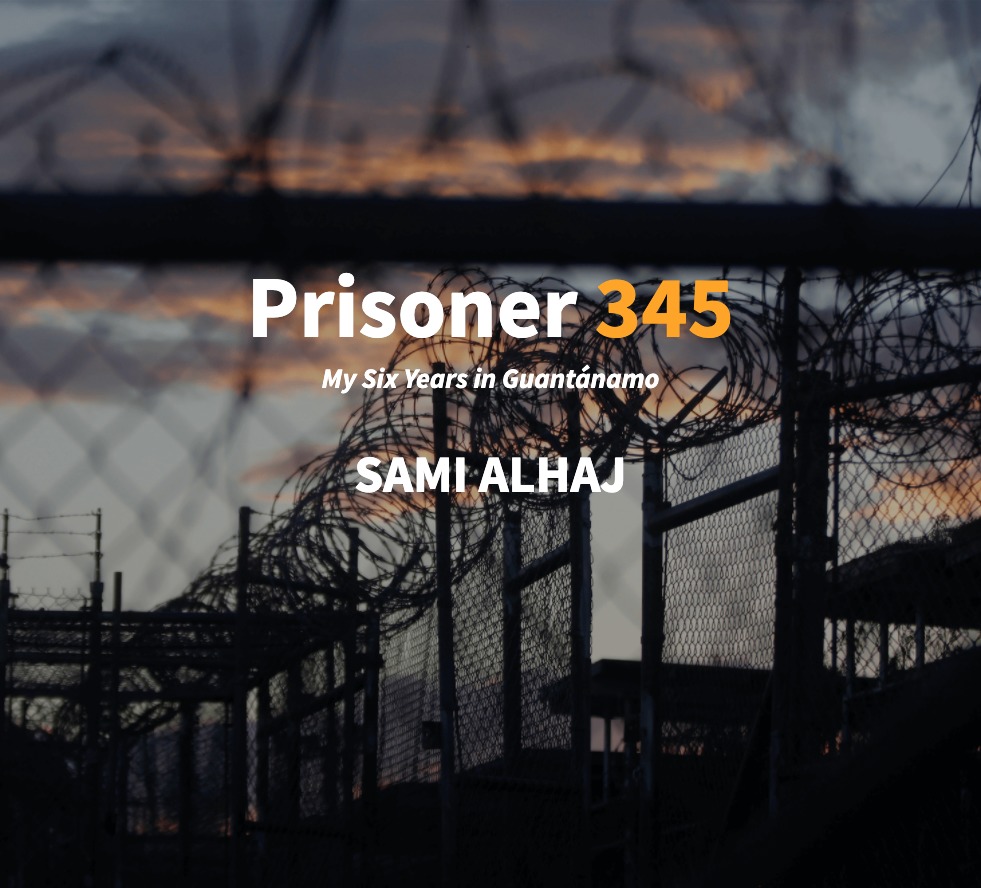
Among the conference’s most striking features was the participation of former prisoners of the United States naval base at Guantánamo Bay, Cuba, including authors of memoirs recounting their experiences of detention and how they resisted it. Sami Al-Hajj, author of “Prisoner 345: My 2,330 Days in Guantánamo,” took part in the conference, along with Moazzam Begg, author of “The Enemy Combatant”; Lakhdar Boumediene, author of “Witnesses of the Unseen: Seven Years in Guantánamo”; and Mohamedou Ould Slahi Houbeini, author of the best-selling memoir “Guantánamo Diary.” Like hundreds of other Muslim men held at the base in the aftermath of 9/11, these men were detained for extended periods without charge, denied due process, and subjected to torture, according to extensive documentation by human rights organisations and their own published accounts.
The presence of people who have been incarcerated at the conference reflects a recurring emphasis on testimony as a form of scholarship in its own right, treating the published memoirs and artwork of former detainees not merely as works awaiting analysis but also as literary and intellectual contributions to be engaged on their own terms, in conjunction with the work of students, researchers, and others with interests in human rights.
Organisers said the conference’s location in Graz, a site where camps were used under National Socialism, was intentional, reflecting the city’s status as a designated City of Human Rights and the series’ broader ambition to internationalise discussion of detention and confinement beyond the national frameworks in which they are often configured. The Centre for Inter-American Studies has hosted the series since 2022, nurturing an ongoing exchange between European and American academics that gives substantial attention to Caribbean and Latin perspectives on questions of empire, modernity, and solidarity.

A Personal Reflection on the Global Call for Health Equity
The figures speak for themselves. WHO’s latest report reveals that, in 2022, 141 countries spent less than 5% of their GDP on healthcare—a figure that many experts consider the bare minimum...

A Global Economic Gamble
Retaliation from U.S. trading partners has already begun. China, predictably, announced a 34% tariff on all U.S. goods, effective April 10, 2025. Canada, in turn, has signalled it will mirror...
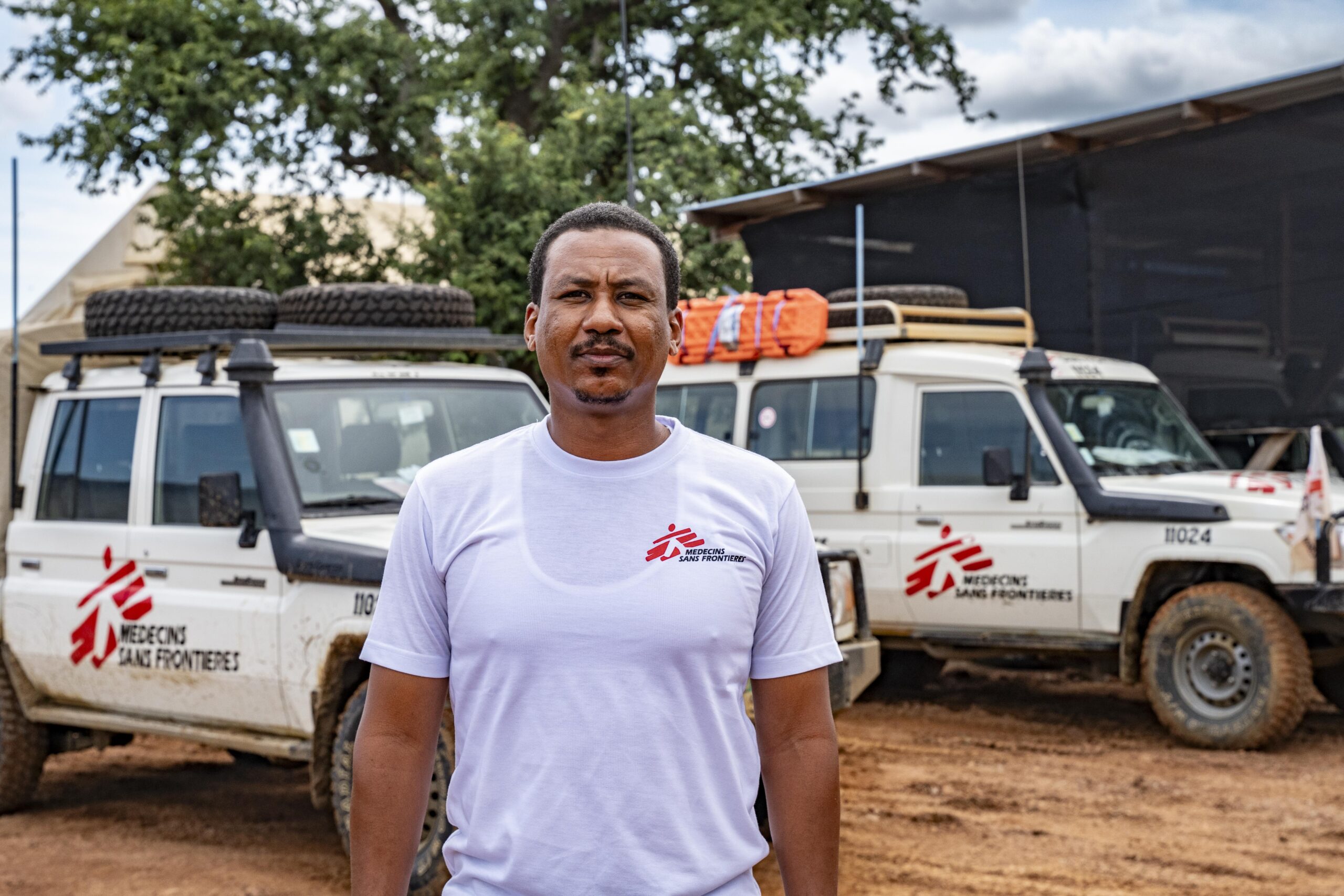
Healing Hands of Sudan: A Call for Compassion – Dispatch from South Sudan/In a World Where Hope Seems Distant,...
Dr. Mohamed Bashir reflects on his ongoing work in South Sudan amidst the civil war’s devastation in his homeland. Despite being away, he feels deeply connected to the suffering of the...

- Most Viewed
- Most Popular


Our Network
Our Channels

© 2026 Al Jazeera Media Network. All rights reserved.