

Learning Under Fire: UNESCO’s Commitment to Safeguarding Education in Times of Crisis Instead of Safeguarding Futures in Times of Crisis: UNESCO’s Commitment to Education


What distinguishes Qatar's response is the understanding that continuity demands preparation, and that preparation requires precisely the kind of capacity and lead time that crises rarely afford.
Learning Must Not Wait
When conflict reshapes a region, governments and international bodies alike tend to treat schools as secondary casualties, things to be rebuilt once the shooting stops. That instinct is both wrong and costly.
The Middle East offers an uncomfortable illustration. Even before the current bout of regional instability, an estimated 30 million children across the Arab world were out of school, their futures hollowed out by displacement, chronic underfunding, and the cumulative damage of recurring conflict. The present escalation risks compounding that toll considerably. Education systems already stretched thin are now under fresh strain; the children least equipped to absorb disruption are invariably the most exposed to it.
Against that bleak backdrop, Qatar has made a sensible decision: to keep learning going. Schools resumed in-person teaching on 29th March 2026, universities a week earlier. The preparation, comprising preventive maintenance, safety assessments, and briefings for more than 1,200 school leaders and safety officials, was methodical rather than hurried. The result was continuity where disruption might easily have prevailed.
What distinguishes Qatar’s response is the understanding that continuity demands preparation, and that preparation requires precisely the kind of capacity and lead time that crises rarely afford.
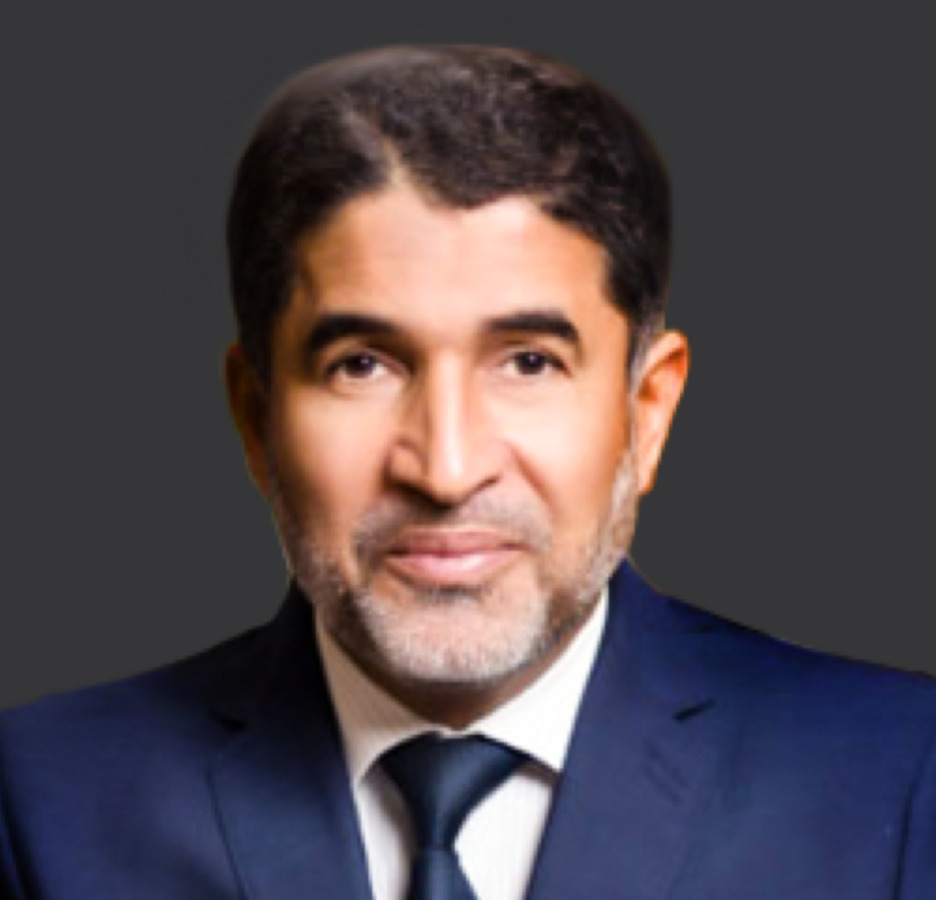
The broader principle is not in doubt. Khaled Al-Anany, UNESCO’s Director-General, recently condemned attacks on universities and educational institutions in unambiguous terms, rejecting any attempt to target them as acts of retaliation. The language is right. Education must not become a weapon, a bargaining chip, or a theatre of war. Its protection is not a sentiment but a legal and moral commitment, one that all parties to conflict are obliged to honour and that the international community is obliged to enforce.
Declarations, however well-worded, are insufficient. What regional stability ultimately requires is coordinated, adequately funded action: governments that treat schools as critical infrastructure rather than soft targets; donors who sustain humanitarian education budgets when conflict drags on well past the initial emergency; and institutions willing to do the unglamorous work of rebuilding proper systems, not merely symbolic gestures, that can survive the next crisis as well as the current one.
The stakes are not abstract. Societies that fail to educate their young during periods of upheaval pay for it across decades, in diminished productivity, weakened institutions and the festering grievances of a generation that feels written off. The remedy is neither complicated nor novel. It is a school, open, safe, and functioning, on every day that it possibly can be.

A Personal Reflection on the Global Call for Health Equity
The figures speak for themselves. WHO’s latest report reveals that, in 2022, 141 countries spent less than 5% of their GDP on healthcare—a figure that many experts consider the bare minimum...
A Global Economic Gamble
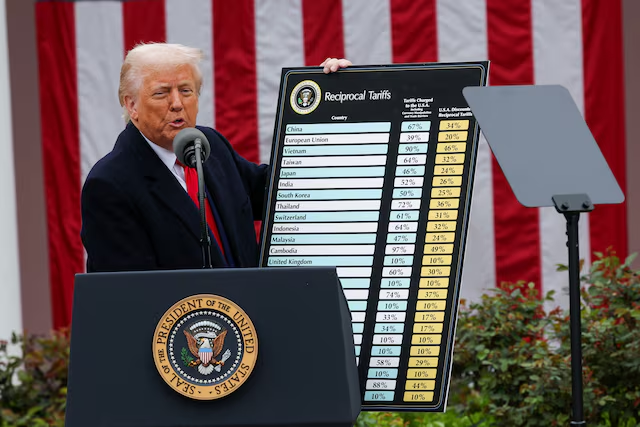
Retaliation from U.S. trading partners has already begun. China, predictably, announced a 34% tariff on all U.S. goods, effective April 10, 2025. Canada, in turn, has signalled it will mirror...
Healing Hands of Sudan: A Call for Compassion – Dispatch from South Sudan/In a World Where Hope Seems Distant,...
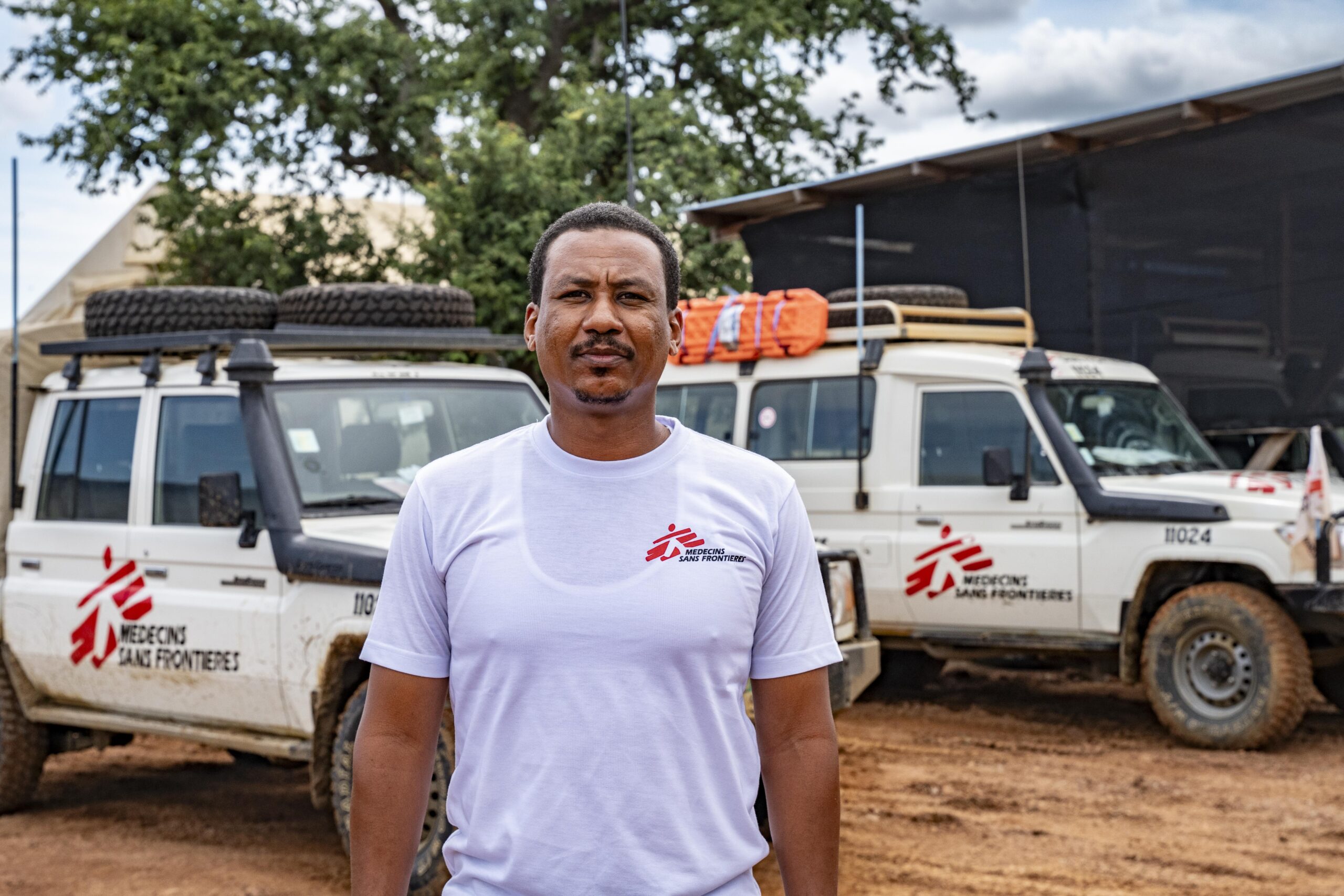
Dr. Mohamed Bashir reflects on his ongoing work in South Sudan amidst the civil war’s devastation in his homeland. Despite being away, he feels deeply connected to the suffering of the...
- Most Viewed
- Most Popular




Our Network
Our Channels

© 2026 Al Jazeera Media Network. All rights reserved.