

South Sudan Pushes the UN to the Edge
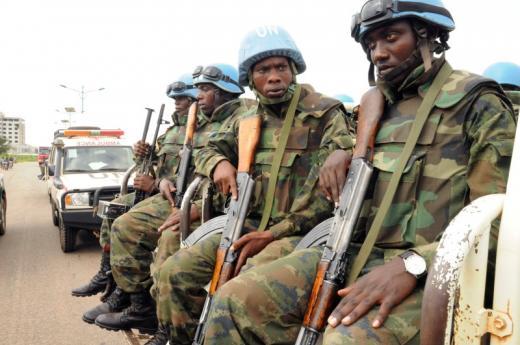
Archive/Al Jazeera.
The government in Juba has a knack for timing. Just as violence is again curling through the countryside, officials have demanded that the UN peacekeeping mission shrink to a fraction of its size, losing most of its international troops, grounding the helicopters that survey trouble spots, and closing bases that double as havens for the displaced. It is presented as a sovereign decision. In practice, it looks like an attempt to dim the lights before the next storm.
Jean-Pierre Lacroix, the UN’s peacekeeping chief, did not dress it up. Removing the mission’s mobility and stripping away its early-warning tools, he told the Security Council, would snap the backbone of its civilian-protection mandate. Even without Juba’s pressure, UNMISS has already begun trimming budgets and retreating from remote areas. A forced downsizing would turn a worrying trend into a rout.
None of this comes out of nowhere. Successive South Sudanese governments have pushed back against almost every form of outside scrutiny, even as armed factions have treated civilians as expendable. The human cost is climbing. UN researchers documented that casualty figures from fighting have roughly doubled since the previous year. Human Rights Watch found evidence of government aircraft dropping improvised incendiaries on communities in Upper Nile state, burning people alive, and hitting a hospital run by Médecins Sans Frontières.
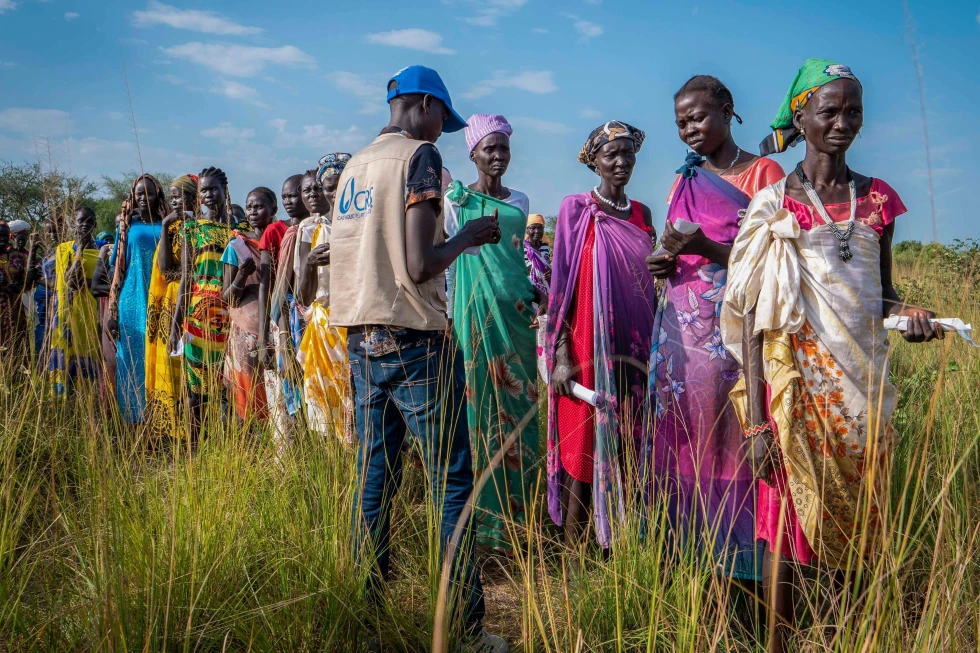
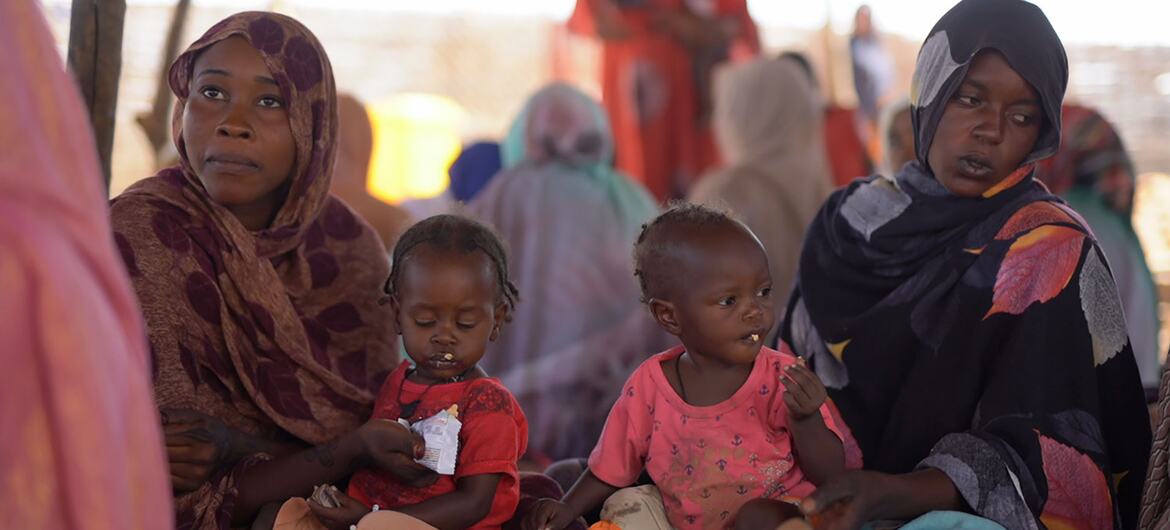
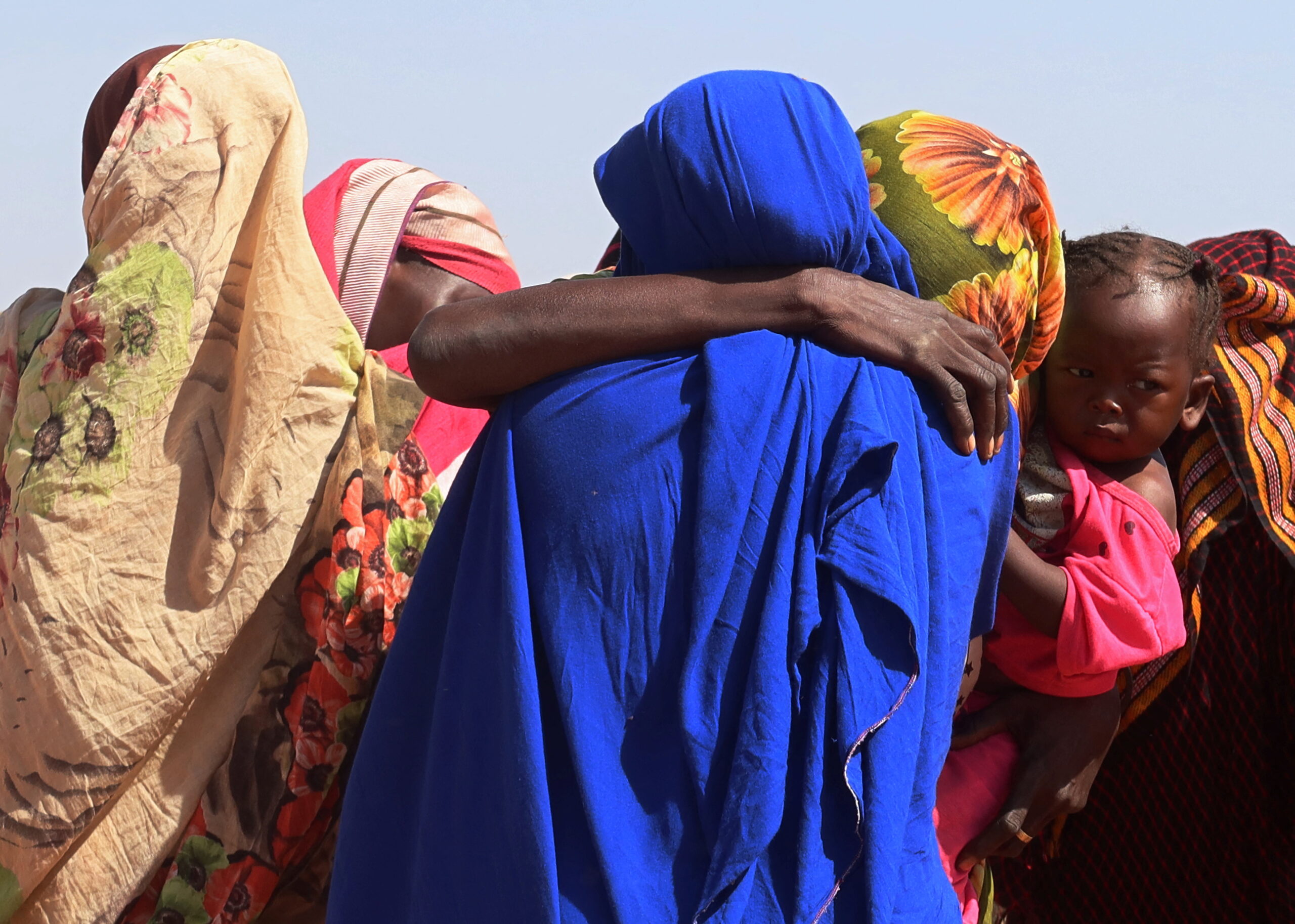
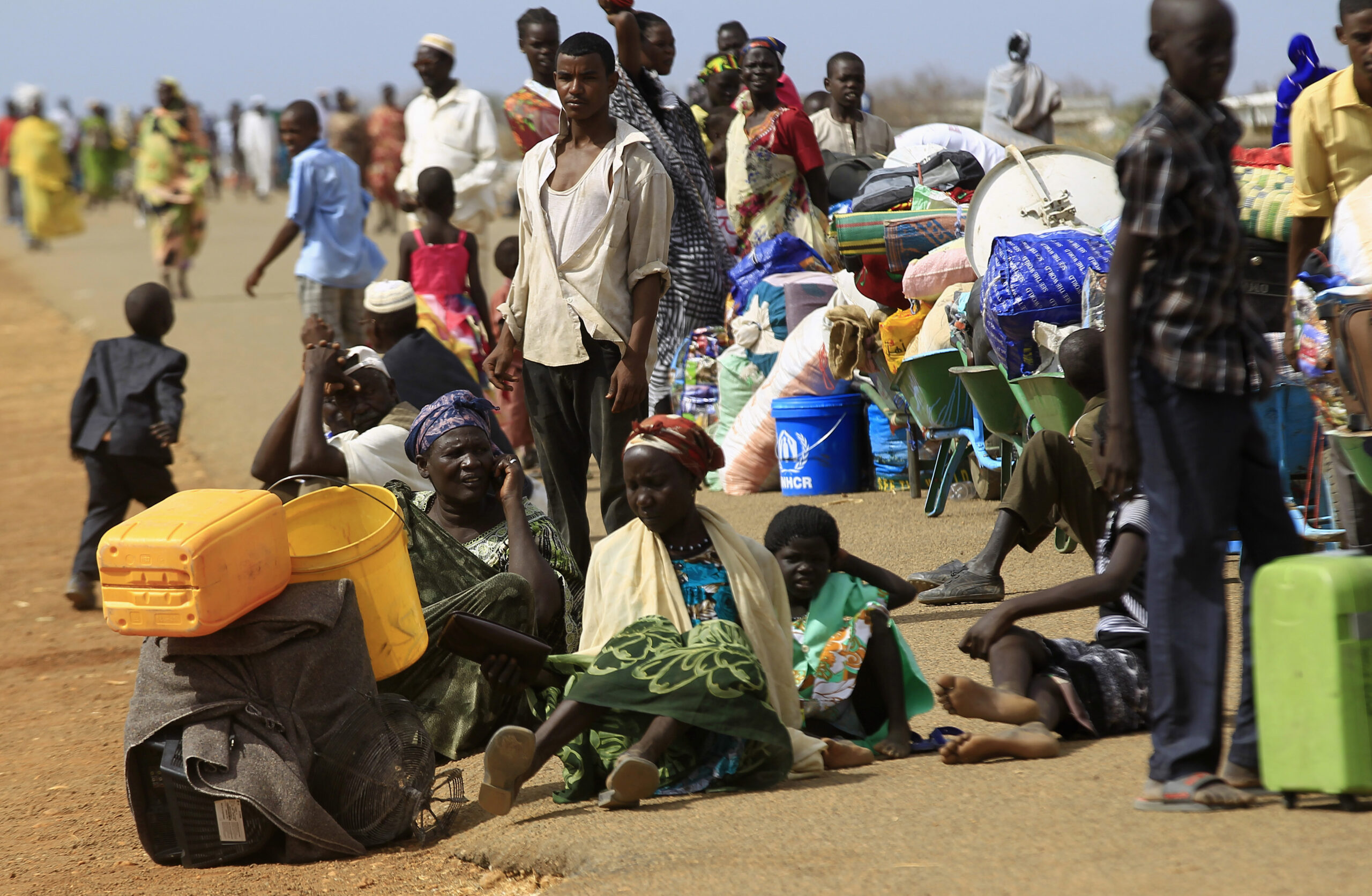
In other regions, Western Equatoria, Central Equatoria, Upper Nile, the fighting has splintered again, dragging with it the usual catalogue of violations: rape, abductions, the terrorising of children, families on the move once more. And the country’s food insecurity is no abstraction. Over a million people need urgent assistance, while some countries are teetering toward famine. Aid convoys are often turned back or slowed to a crawl by the authorities.
The Council’s task is simple to articulate and maddeningly hard to execute resist South Sudan’s attempt to hollow out the peacekeeping mission, insist on unfettered humanitarian access, and preserve the independent monitoring that Juba finds so irksome. Strip those away, and the country’s civilians, already exhausted by conflict layered upon conflict, will be left to fend for themselves in a place where the state is often the source of danger, not protection.
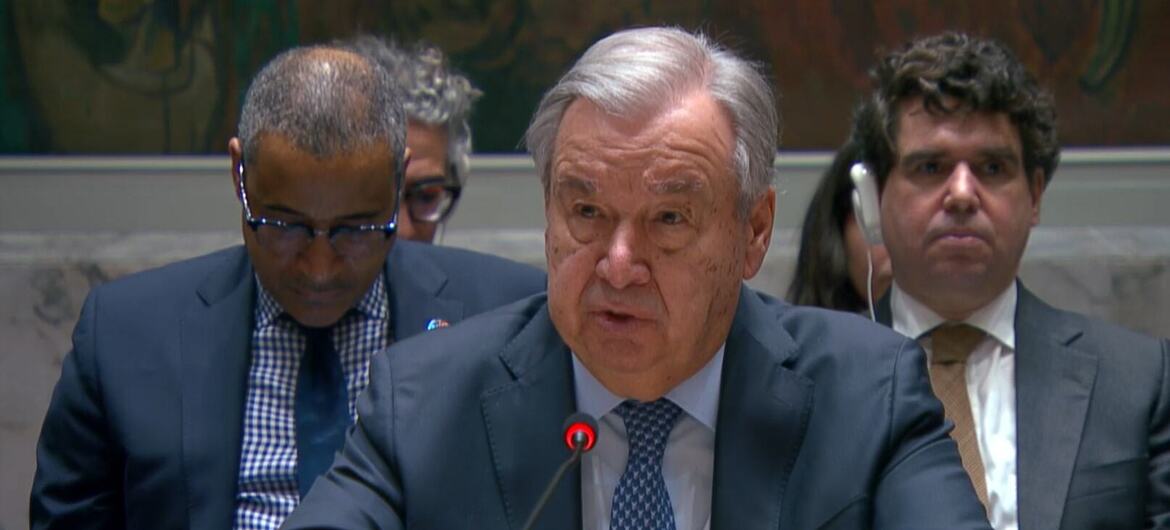
Laws of War, Human Rights Watch Demands Scrutiny of All Strikes
HRW emphasised protection of civilians, scrutiny of weapon use such as cluster munitions and landmines, and immediate steps to release arbitrarily detained protesters in Iran who face risks of...
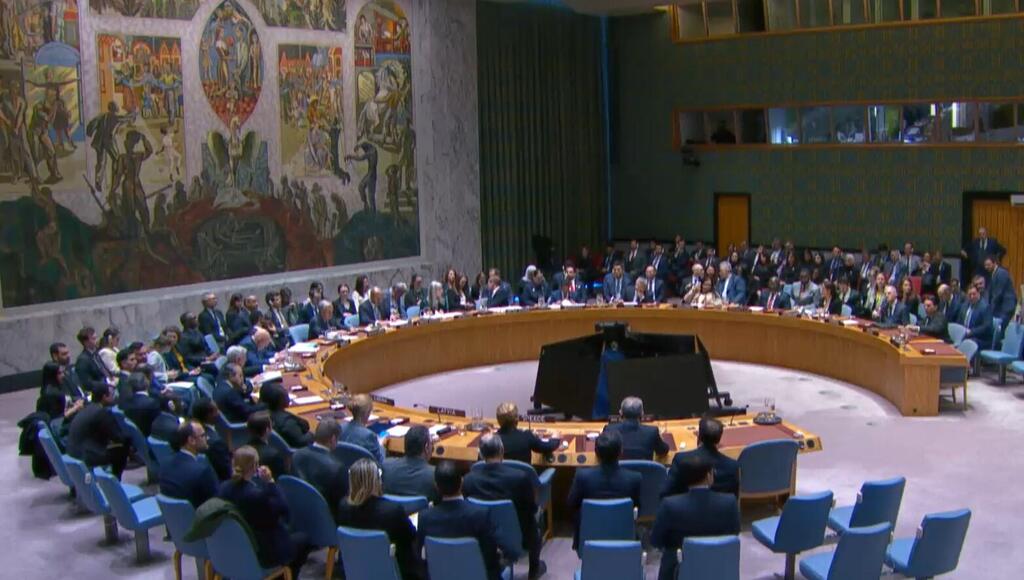
A Blaze on Human Rights & Diplomacy
Humanitarian stakes are high, with credible reports of civilian casualties following strikes on densely populated areas, and disruptions to aid flows to Gaza and elsewhere (Reuters, 28 Feb...

Our Network
Our Channels

© 2026 Al Jazeera Media Network. All rights reserved.