

Sea Rescuers Break with Libya’s Coast Guard
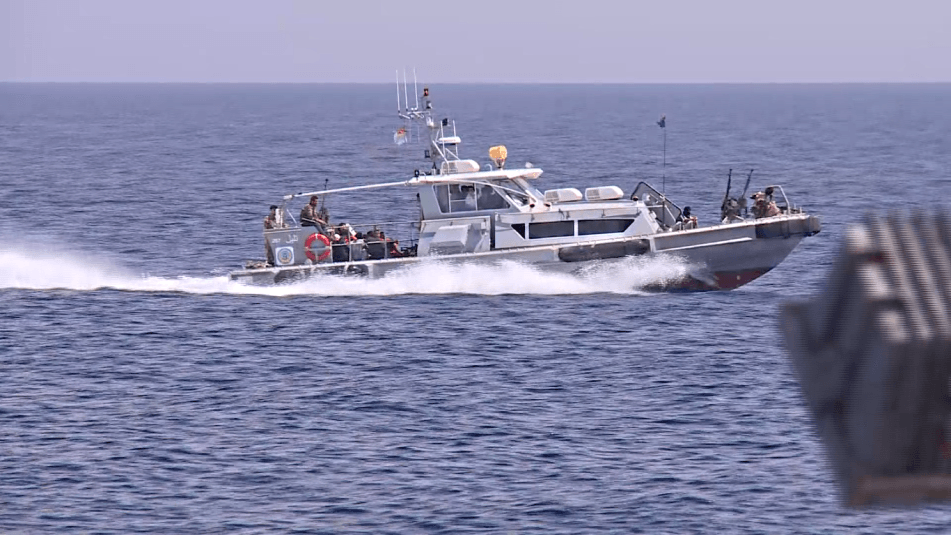
Archive/HRW.
After years of uneasy coordination, humanitarian rescuers in the Mediterranean have had enough. Thirteen non-governmental organisations announced this week that they would end all operational contact with Libya’s coastguard, accusing it of violence and collusion in human-rights abuses.
The decision marks a direct challenge to Europe’s policy of enlisting Libyan forces to curb migration.
The NGOs, among them Sea-Watch, SOS Méditerranée, and the German group Compass, say they can no longer work with “armed militias masquerading as rescue authorities.”
They cite repeated incidents of refugees being intercepted at sea, beaten, and sent to camps where torture and forced labour are common. UN investigators have described such abuses as potentially amounting to crimes against humanity.
“We have been asked to legitimise a system built on cruelty,” said one rescuer. “We refuse.” The EU and Italy continue to train and fund Libya’s coastguard as part of efforts to deter crossings. However, critics argue that the partnership merely obscures the human cost offshore.
Since 2016, NGO monitors have documented dozens of shootings, collisions, and assaults involving Libyan patrols. In August, one coastguard unit was accused of firing on a vessel operated by SOS Méditerranée.
To push back, the NGOs have formed a new alliance dubbed the “Justice Fleet,” pledging to track incidents and pursue legal cases. The risks are high: their ships face fines, impoundment, and arrest. Yet their stance reflects a growing moral fatigue among rescuers, who have long been vilified for saving lives.
Over the past decade, civilian crews have pulled more than 155,000 people from the sea. “For ten years we’ve been blocked, slandered, criminalised,” their statement reads. “Now we stand together to defend the law, not break it

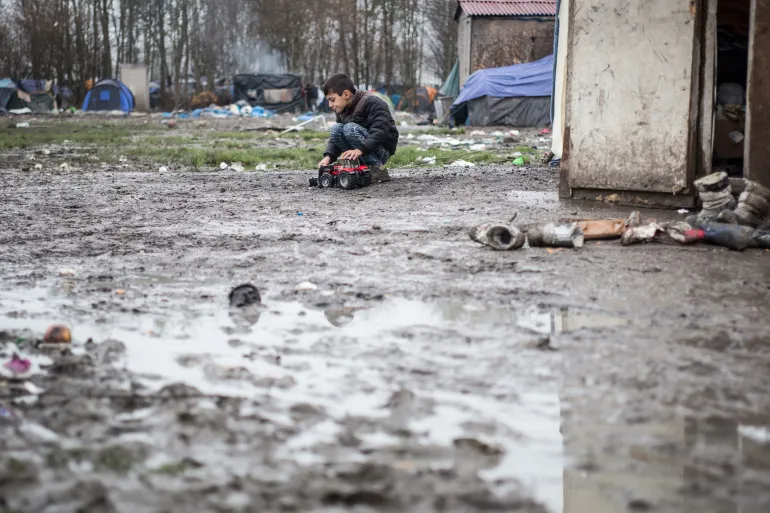
A Damning Report on UK and France’s Handling of Child Asylum Seekers in the English Channel
The report is replete with heart-wrenching testimonies from children suffering serious chemical burns from dinghy fuel, enduring symptoms of trauma, and tragically, experiencing fatalities due...
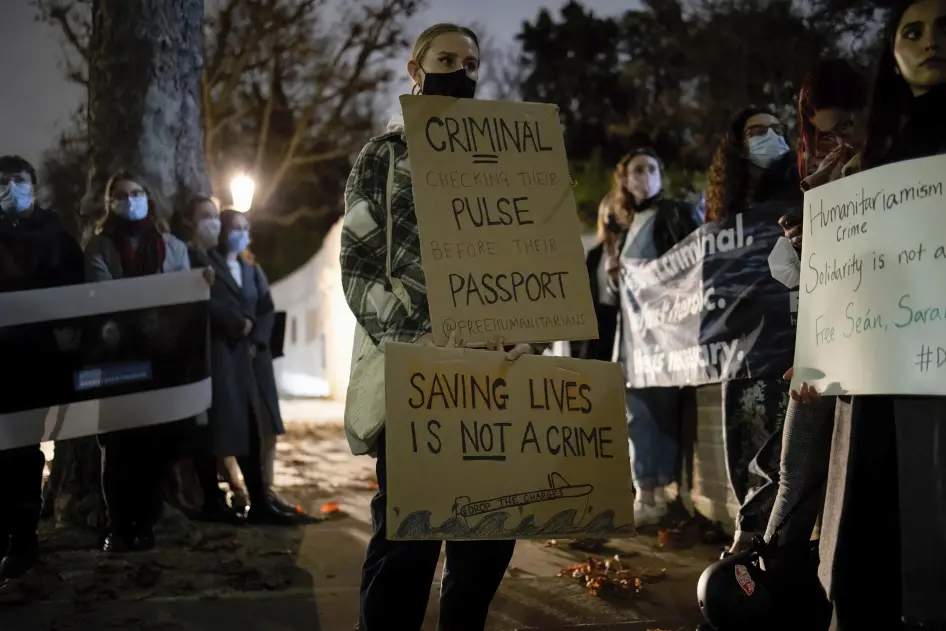
Alarming Developments for Human Rights Defenders in Greece
Human Rights Watch has echoed these concerns, stressing the critical nature of defending human rights and the imperative to safeguard those who stand up for the marginalized in society. The call...

Navigating the Surge in Migration
The call for a shift in policy is clear: providing shelter and thorough evaluations of each case must take precedence over aggressive detentions. Countries must prioritize safeguarding the lives...









Our Network
Our Channels

© 2026 Al Jazeera Media Network. All rights reserved.