

Prioritising Human Life
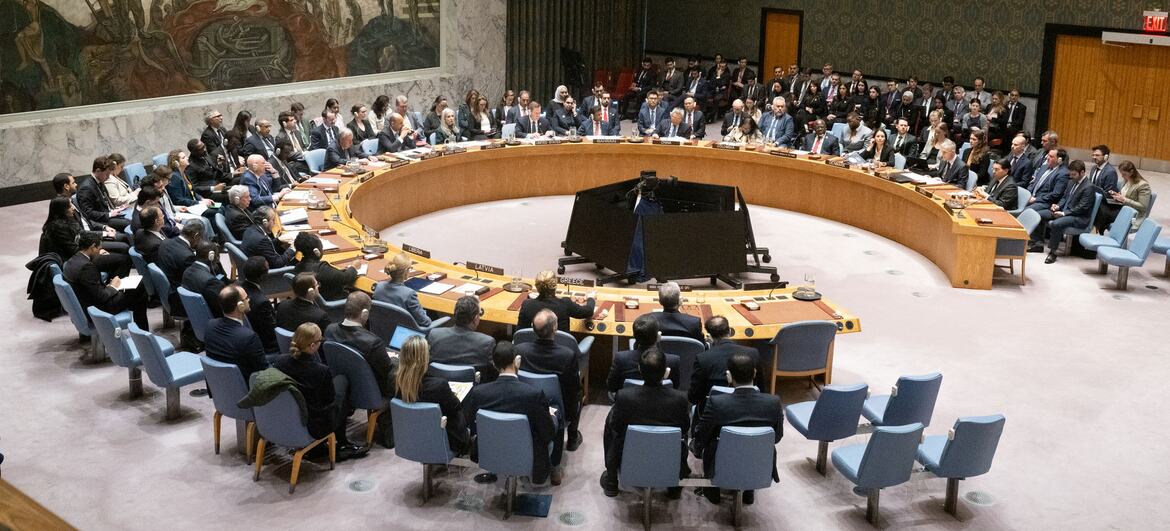
UN News Diplomats gather at the UN Security Council to discuss the fast-evolving crisis in Iran and the whole Middle East regio
Speaking at the UN Security Council on 28 February 2026, Colombia’s Ambassador Leonor Zalabata Torres placed the protection of human life at the core of international responses to the Iran strikes, condemning unilateral military actions that contravene the UN Charter and warning that civilians are the first victims when “force replaces law” (UNTV, 28 Feb 2026).
Colombia reiterated support for nuclear non‑proliferation yet insisted that any concerns must be addressed through legal mechanisms, inspections, and negotiated settlements rather than bombardment.
Her intervention reflects a broader, often overlooked, concern: states that champion norms of sovereignty and human rights are asking whether powerful actors adhered to the same rules they expect of weaker states. The Colombian stance calls for immediate safeguards for civilians, protection for detainees and protesters in Iran, and renewed diplomatic channels, particularly given reports of large numbers of civilian casualties and internet blackouts obstructing independent monitoring (IRNA, NetBlocks, AP reporting, 28 Feb–1 Mar 2026).
In practice, Colombia’s plea translates into concrete demands: humanitarian pauses, unfettered access for relief and human‑rights monitors, accountability for unlawful strikes, and a revitalised push for negotiated solutions to nuclear concerns.
Sources: UNTV, Ambassador Leonor Zalabata Torres, 28 Feb 2026; IRNA, NetBlocks, Associated Press, 28 Feb–1 Mar 2026.

America’s Cluster Munition Problem
When a US admiral condemned Iran’s weapons conduct, reports pointed out the obvious difficulty: Washington has a cluster munition policy of its own that it has yet to resolve.

Lebanon at a Breaking Point
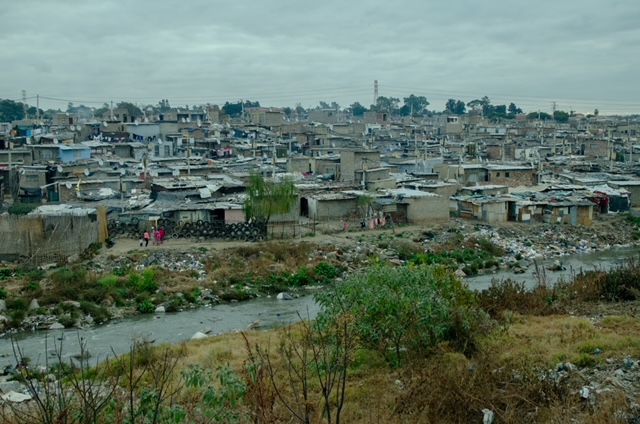
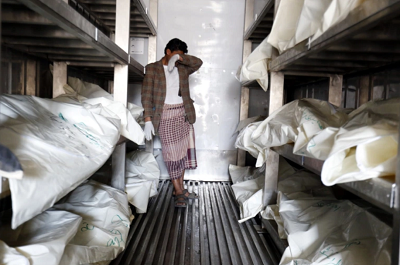
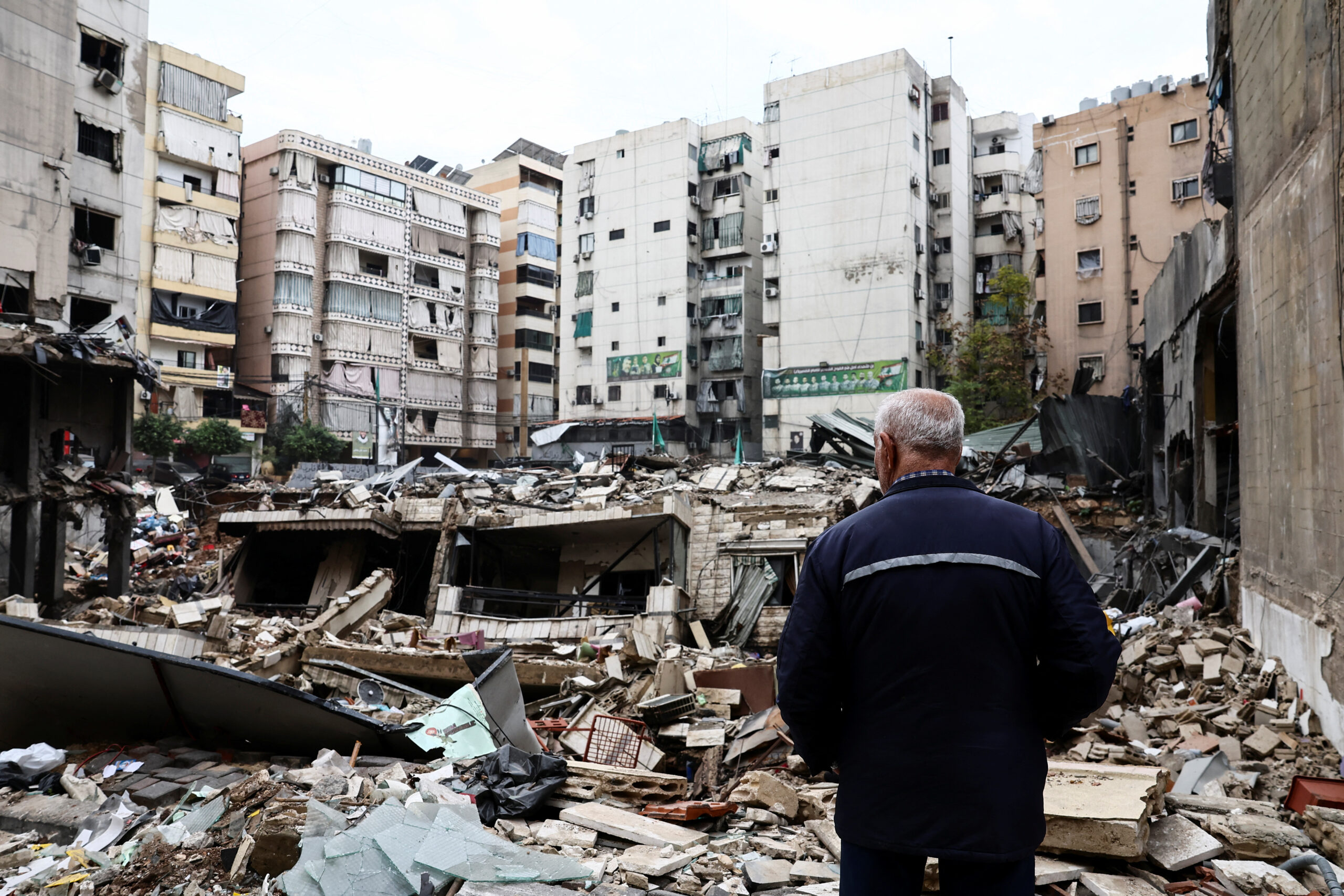
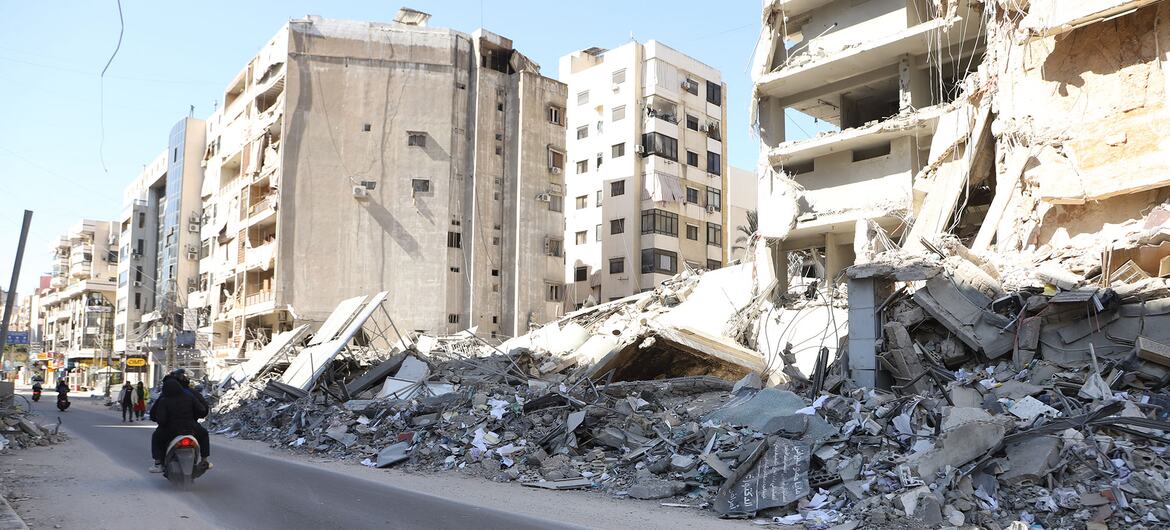
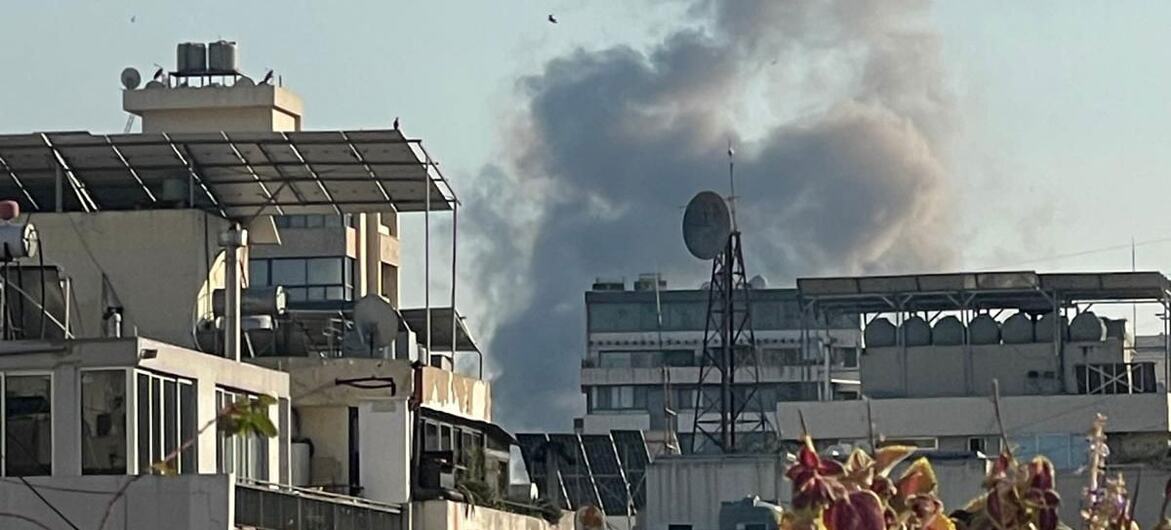
The UN’s most senior humanitarian official has warned the Security Council that Lebanon is staring into an abyss. The country’s crises have a way of outlasting the attention...





Our Network
Our Channels

© 2026 Al Jazeera Media Network. All rights reserved.