

Oil and the Rule of Law
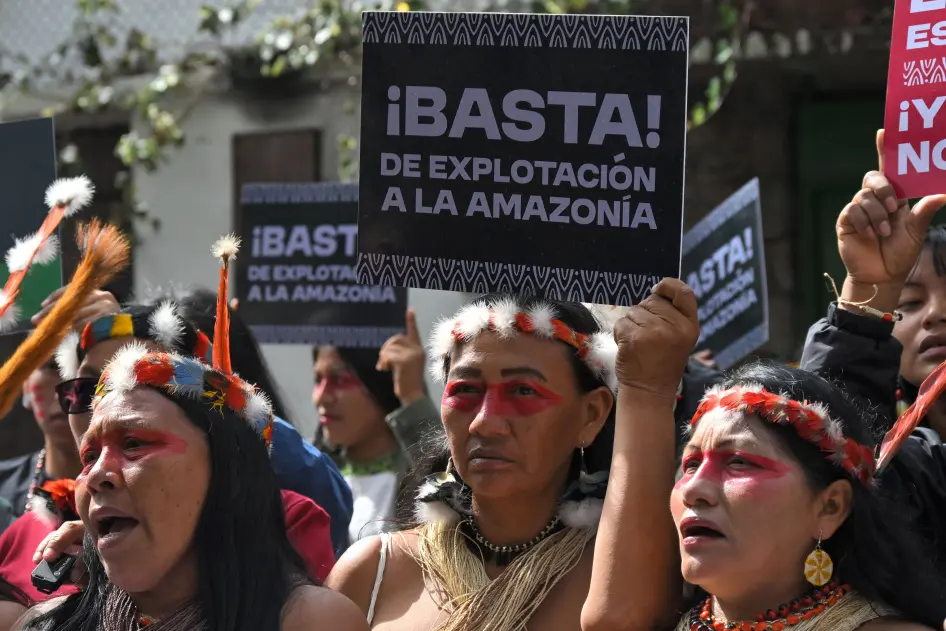
Waorani Indigenous leaders protest in front of the Constitutional Court in Quito, Ecuador on August 20, 2025, two years after an Indigenous-led referendum to halt exploitation of an oil block in Yasuni National Park, the ancestral home of the Waorani people. © 2025 RODRIGO BUENDIA/AFP via Getty Images
Ecuador’s reluctance to halt oil extraction in Block 43 inside Yasuní National Park is not merely an environmental quarrel, it is a confrontation with regional human‑rights jurisprudence. In March 2025 the Inter‑American Court of Human Rights ordered Ecuador to suspend oil operations in Block 43 to protect the Tagaeri and Taromenane peoples living in voluntary isolation; yet by March 2026 the government had failed to implement critical provisions, prompting condemnation from Human Rights Watch and Indigenous leaders (IACtHR ruling communicated March 2025, HRW report, 2026).
Block 43 overlaps with ancestral territory and produces significant crude: Petroecuador data indicate average monthly output in 2025 around 1.2m barrels, representing roughly 9–10% of national output (Petroecuador reports, 2025). State monitoring records and community testimony point to recurrent spills—29 incidents recorded for 2016–2024 in official registries—and meaningful signs of ecological harm, including fish kills and skin rashes reported by nearby Waorani communities (Ministry monitoring, 2016–2024; HRW interviews, Nov–Dec 2025).
The Inter‑American Court found that extraction in adjacent blocks increases risks of contact, disease, displacement, and cultural extinction for the Tagaeri and Taromenane, and it ordered Ecuador to implement precautionary protections, create an expert technical commission to monitor presence and movements of isolated groups, and repeal inconsistent authorisations. Ecuador’s 2023 national referendum to halt Block 43, affirmed by the Constitutional Court, added democratic weight to the ruling. Yet compliance remains partial: the technical commission was not established by the September 2025 deadline, monitoring reports are missing from public records since April 2024, and some wells have been shuttered but production continued elsewhere (Inter‑American Court notifications, March 2025; Ministry letters, Aug 2025; HRW, 2026).
The human‑rights stakes are profound. International law recognises the rights of peoples in isolation to maintain their autonomy and territory, and to be protected by precautionary state action. Ecuador’s choice to prioritise short‑term hydrocarbon revenue over legally mandated protections risks irreversible harm to fragile cultures and ecosystems. Remedies require immediate suspension of extraction in Block 43, transparent publication of environmental monitoring, establishment of the court‑ordered technical commission with Indigenous participation, and a credible, funded plan for ecological restoration and just economic transition away from fossil reliance (HRW, Nov–Dec 2025; Inter‑American Court, Mar 2025).
Sources: Inter‑American Court of Human Rights judgment and compliance orders, March 2025; Human Rights Watch research and interviews, Nov–Dec 2025 and HRW briefing, 2026; Petroecuador production data, 2025; Ministry of Environment monitoring correspondence, Aug 2025
Mozambique, Flooding, and Imminent Dam Risk
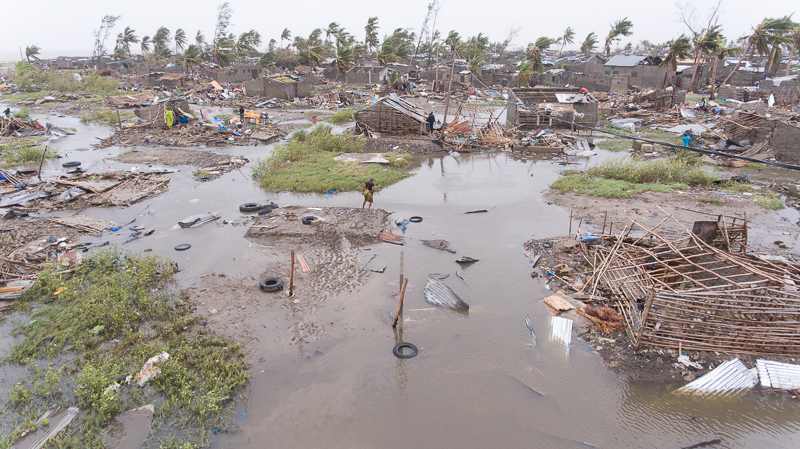
The United Kingdom dispatched search-and-rescue teams on Tuesday and Thursday to support Mozambican authorities, underscoring an international response to a fast-moving humanitarian emergency.
United States, Winter Storm, Transport Paralysis and Federal Emergency Declarations
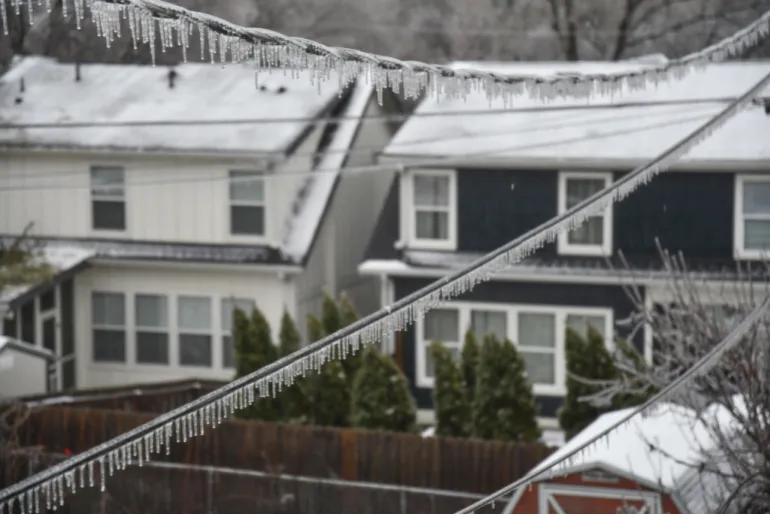
President Donald Trump approved federal emergency disaster declarations for 12 states: South Carolina, Virginia, Tennessee, Georgia, North Carolina, Maryland, Arkansas, Kentucky, Louisiana,...





Our Network
Our Channels

© 2026 Al Jazeera Media Network. All rights reserved.