

Occupied Palestinian Territory/The Slow Annexation
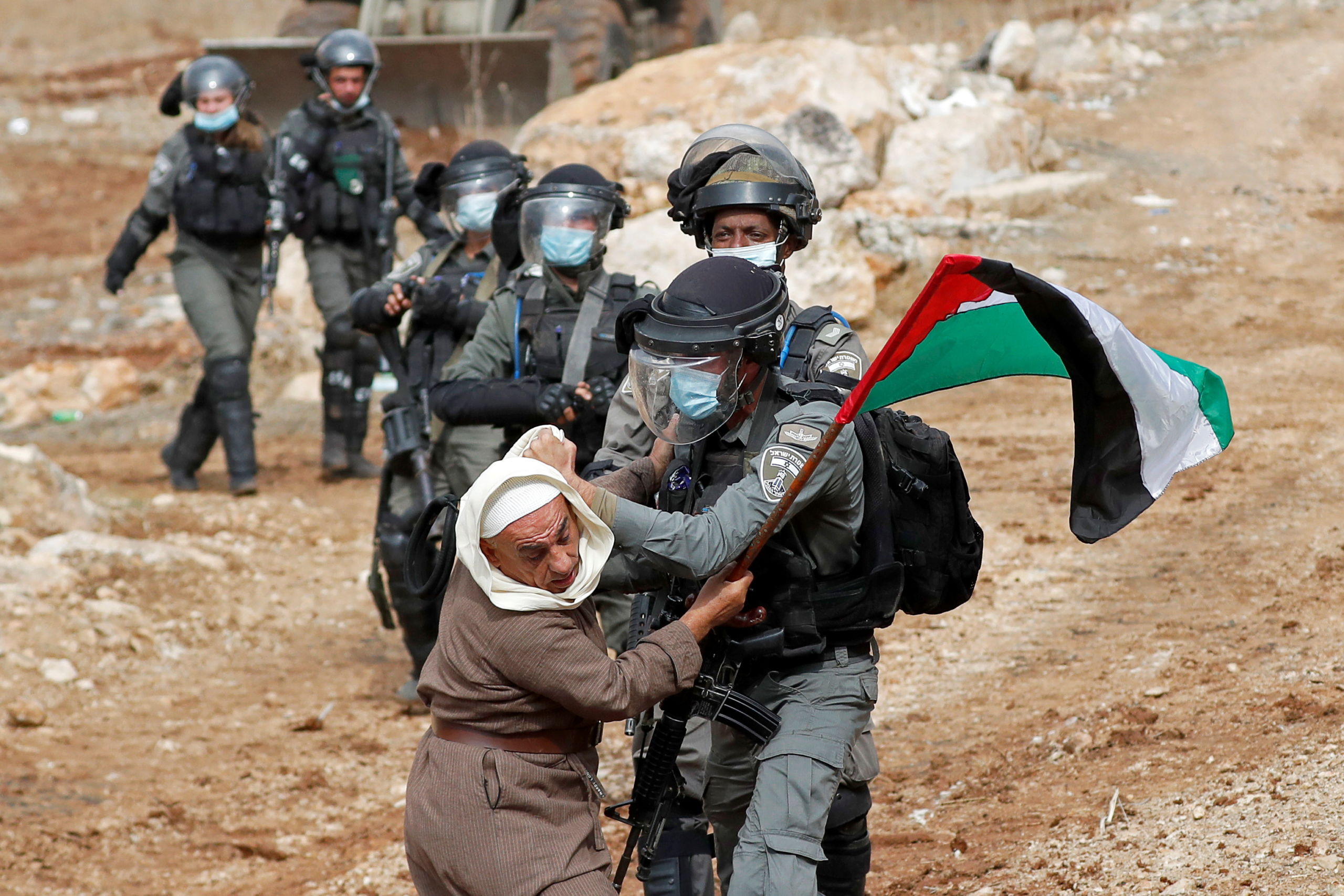
Archive Al Jazeera.
The mechanisms are mundane, which is part of what makes them so effective. A report submitted to the UN Human Rights Council’s 61st session, covering November 2024 to October 2025, documents how Palestinian land in the occupied West Bank, East Jerusalem and the Syrian Golan are steadily absorbed, through dramatic seizure, through demolitions, legal reclassification and the stark pressure of settler violence.
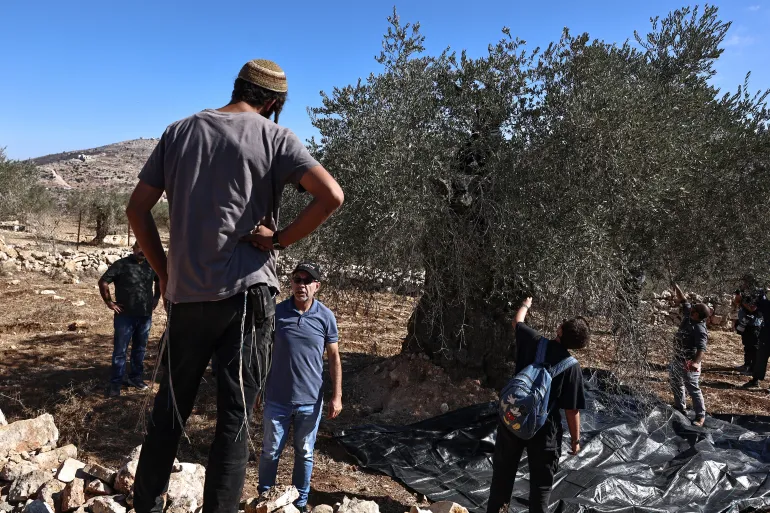
In Area C—roughly 60% of the West Bank under full Israeli control, Palestinian construction permits are almost never granted. Structures built without them are demolished. The land, once cleared, may then be declared state property and folded into settlement expansion. Settler violence accelerates the process: attacks on villages and the uprooting of olive groves drive families from land they have farmed for generations.
Prosecutions of perpetrators remain rare.
Each demolished structure, each dunham declared state land, narrows the range of political outcomes still available.
More than 700,000 Israeli settlers now live across the West Bank and East Jerusalem, in communities whose construction the International Court of Justice ruled unlawful last year. Israel rejected the ruling; construction continued. Diplomats still speak of a two-state solution as though it were a living possibility.
The land, reshaped settlement by settlement, tells a different story
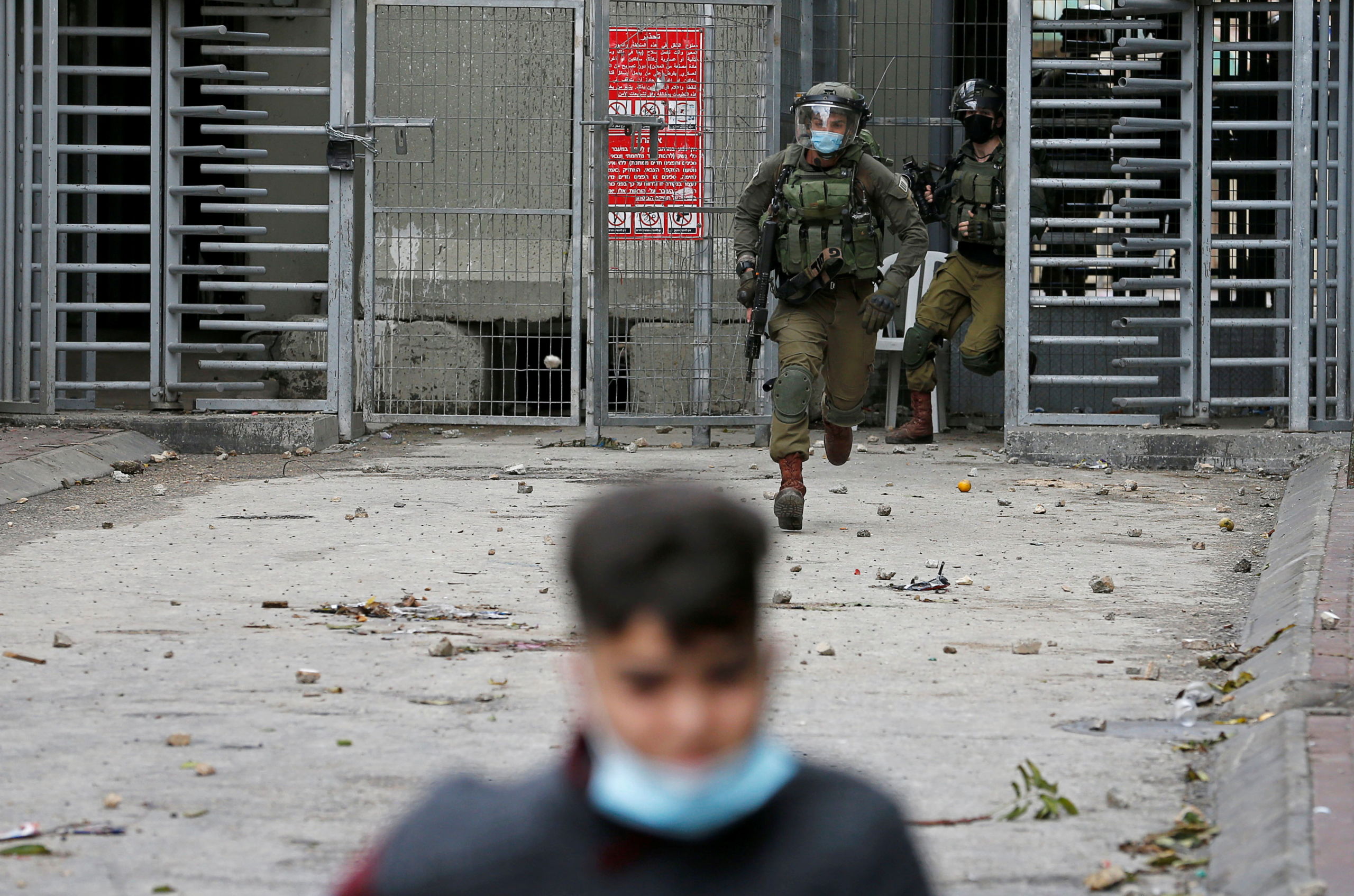
West Bank, Incidents, Demolitions, and International Concern
The mounting restrictions and dispossessions reinforce the need for impartial monitoring and protection of Palestinian civilians under international law.
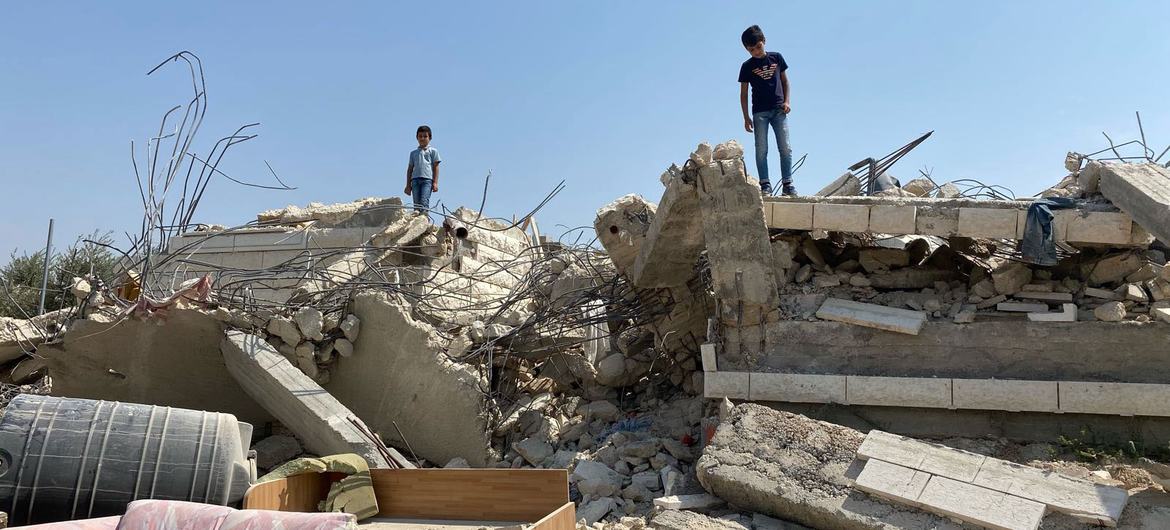
Israel’s Land Registration Move, A Setback for Palestinian Rights
The move undermines Palestinians’ property and self‑determination rights and erodes the two‑State prospect; the UN called for reversal and protection of civilians under occupation.

- Most Viewed
- Most Popular



Our Network
Our Channels

© 2026 Al Jazeera Media Network. All rights reserved.