

Living in Limbo, An Iranian Refugee’s Plea to an Inconsistent Australia
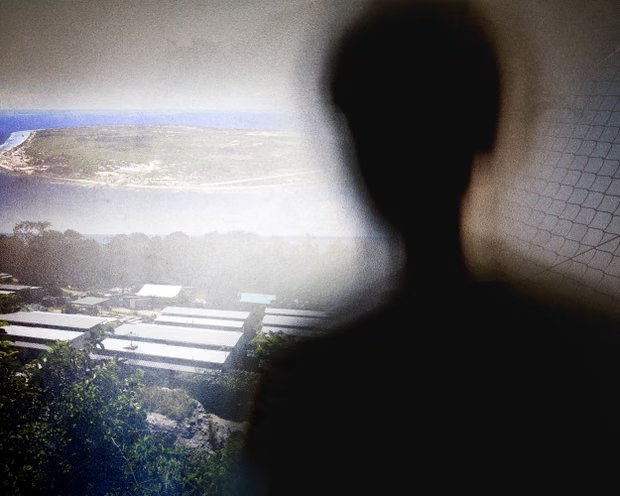
‘Like many others, we came to Australia believing it was a country that respected freedom, safety and fairness. But the Australian government sent my family to Nauru under the offshore processing policy.’ Composite: Guardian Design/AFP/Getty Images/AP
Fatemeh Lahmidi, in her poignant firsthand account dated March 12, 2026, sheds light on a tumultuous journey spanning over 13 years in Australia, marked by the harsh realities of offshore detention in Nauru, the unsettling cycle of bridging visas, and the perpetual cloud of uncertainty despite being recognized as a refugee.
This powerful narrative not only serves as a stark reminder of the moral and legal contradictions that have permeated the Australian immigration system but also draws attention to the recent act of Canberra extending a humanitarian gesture towards Iran’s women’s football team, posing a stark contrast in treatment.
The plight of thousands who linger in a state of limbo, constantly labeled as “transitory” without viable pathways to secure permanent residency and reunite with their loved ones, is exacerbated by the enforcement of stringent regulations, particularly affecting visitors from Iran post the newly enacted legislation in March 2026.
The urgency for sustainable and compassionate solutions that prioritize human rights cannot be overstated. Upholding the fundamental values of family unity, facilitating accessible avenues for legal migration, and eradicating the prolonged administrative ambiguities are imperative steps that resonate strongly with the core principles of refugee protection agreements.
Australia’s inconsistent and selective stance on extending goodwill not only undermines the essence of safeguarding refugees but also perpetuates the notion of subjective judgments on who is entitled to humane treatment. The need for a comprehensive overhaul of the existing system to ensure fairness, dignity, and respect for all individuals seeking refuge remains a pressing humanitarian imperative in the face of ongoing challenges
Sources: The Guardian/Fatemeh Lahmidi op-ed, March 12, 2026; Australian migration law changes, March 2026.


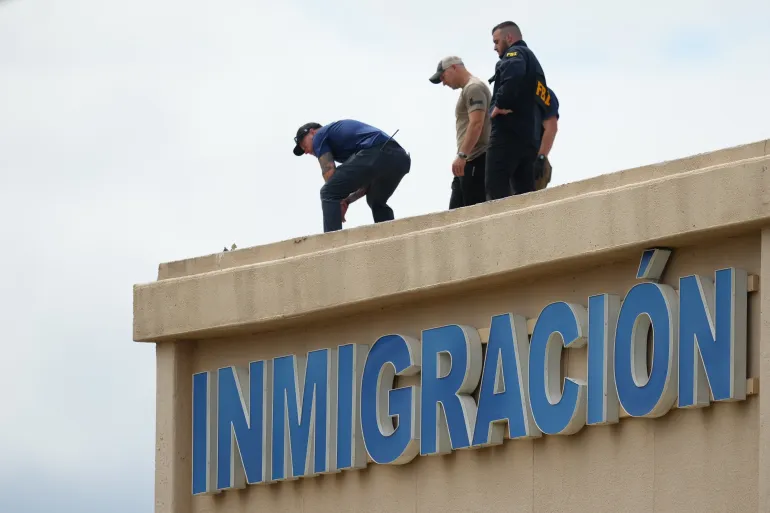
Militarized Immigration Enforcement in the USA
The focus is on the intersection of immigration policy and military tactics, highlighting the consequences of this approach and potential alternatives for a more humane and effective...

A Damning Report on UK and France’s Handling of Child Asylum Seekers in the English Channel
The report is replete with heart-wrenching testimonies from children suffering serious chemical burns from dinghy fuel, enduring symptoms of trauma, and tragically, experiencing fatalities due...
- Most Viewed
- Most Popular






Our Network
Our Channels

© 2026 Al Jazeera Media Network. All rights reserved.