

Libya’s Migrant Crisis

© UNICEF/Alessio Romenzi A migrant leans against a pillar in the courtyard of a detention centre in Al Khoms, Libya. (file)
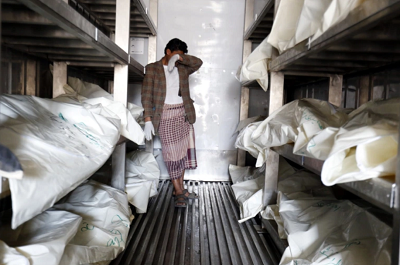
A UN human-rights report published on 17 February 2026 chronicles a “brutal and normalised” model of exploitation of migrants, refugees and asylum-seekers in Libya between January 2024 and December 2025 (OHCHR, 17 February 2026). Based on nearly 100 interviews, the report documents killings, torture, sexual violence, enforced disappearance, trafficking and extortion, often within facilities and trafficking hubs tied to armed networks with links to officials.
The account paints detention centres and hangars as commercial nodes in a market that profits from interception, ransom and forced labour, with women and children particularly vulnerable to sexual violence. At-sea interceptions and forcible returns amplify risks, and the UN High Commissioner for Human Rights called for suspension of interceptions to Libya until robust safeguards exist (Volker Türk, statement, 17 February 2026).
The international response must bridge humanitarian relief with accountability. Ending this cycle will require interdiction of transnational criminal networks, impartial investigations into collusion by officials, and regional cooperation to guarantee rescuers’ access and non-refoulement.
Source, OHCHR report, 17 February 2026
Living in Limbo, An Iranian Refugee’s Plea to an Inconsistent Australia
The urgency for sustainable and compassionate solutions that prioritize human rights cannot be overstated. Upholding the fundamental values of family unity, facilitating accessible avenues for...

Militarized Immigration Enforcement in the USA
The focus is on the intersection of immigration policy and military tactics, highlighting the consequences of this approach and potential alternatives for a more humane and effective...

A Damning Report on UK and France’s Handling of Child Asylum Seekers in the English Channel
The report is replete with heart-wrenching testimonies from children suffering serious chemical burns from dinghy fuel, enduring symptoms of trauma, and tragically, experiencing fatalities due...
- Most Viewed
- Most Popular








Our Network
Our Channels

© 2026 Al Jazeera Media Network. All rights reserved.