

Lebanon’s “Perfect Storm,” Deepening Displacement and Dwindling Aid
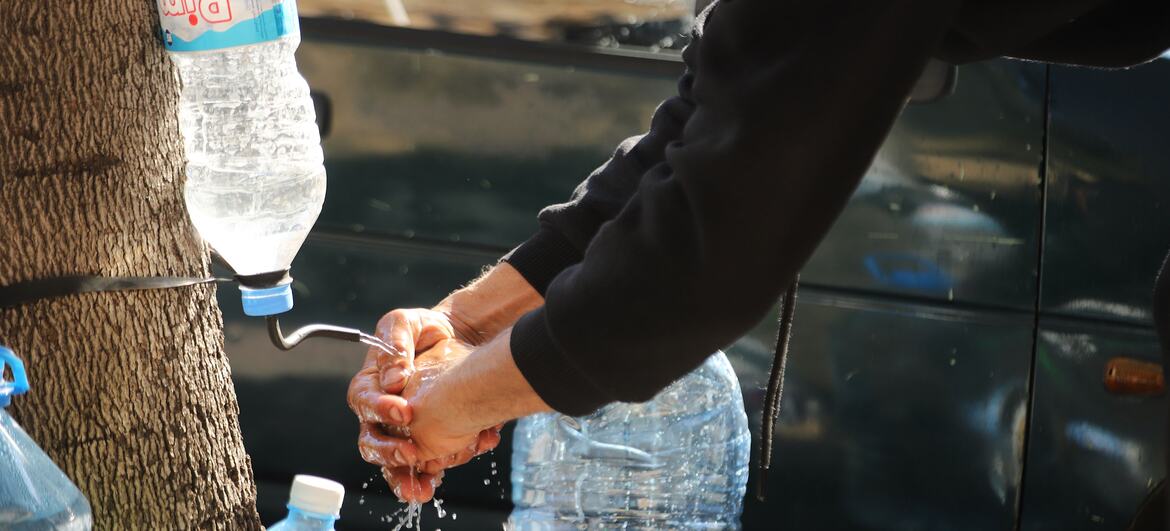
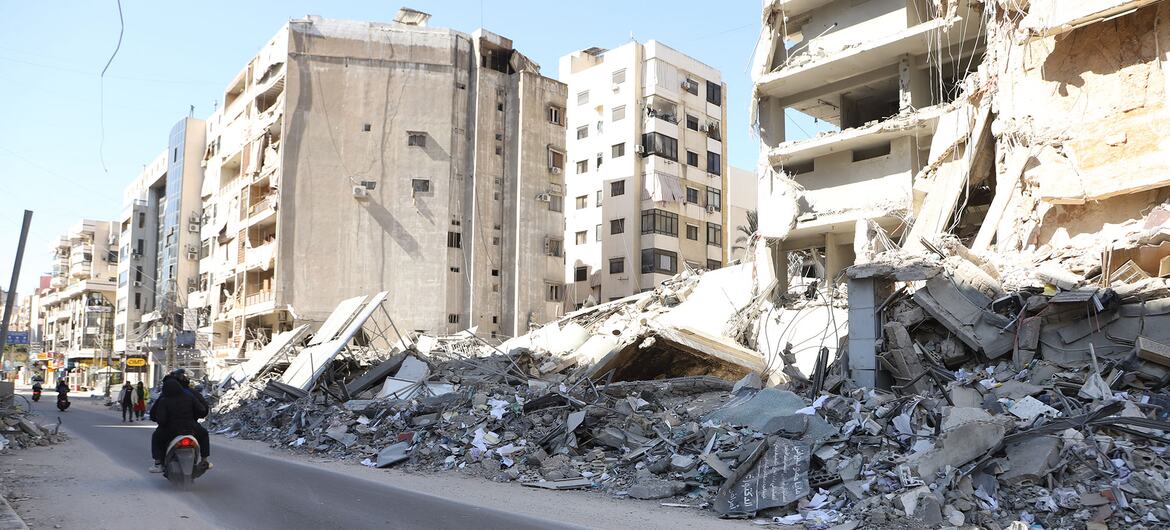
© WFP/Arete/Ali Yunes Some residents of Beirut who have been displaced by the conflict are now living on the streets of the Lebanese capital.
Lebanon’s humanitarian coordinator described a “perfect storm” on 12 March 2026 as conflict, displacement and shrinking resources collided, uprooting 815,000 people and closing schools and shelters that had become temporary homes (UN Resident/Humanitarian Coordinator Imran Riza interview, 12 March 2026). Children bore a disproportionate share, with reports of dozens killed and education disrupted as classrooms became collective shelters.
The crisis illuminates a human-rights paradox: Lebanon’s historical hospitality toward refugees has been exhausted by repeated escalations and a regional crisis that has siphoned off donor attention. Funding shortfalls and competing emergencies have left the Lebanese response strained, with repurposed funds offering only temporary relief.
The remedy requires immediate funding for protection, education, and maternal health, but also diplomatic pressure for a ceasefire that allows reconstructive and governance support. Donors must recognise that short-term relief without investment in state capacity and legal protections risks turning displacement into long-term deprivation and rights denial.
Sources: Interview with Imran Riza, UN News, 12 March 2026; UNHCR/IOM displacement figures, March 2026.
Words That Kill …
Officials from the United States, Iran, and Israel are using rhetoric that signals dangerous contempt for the laws of war. The civilians caught in between will pay the price.
Iran War/Twelve Years Old and Fit for Duty!
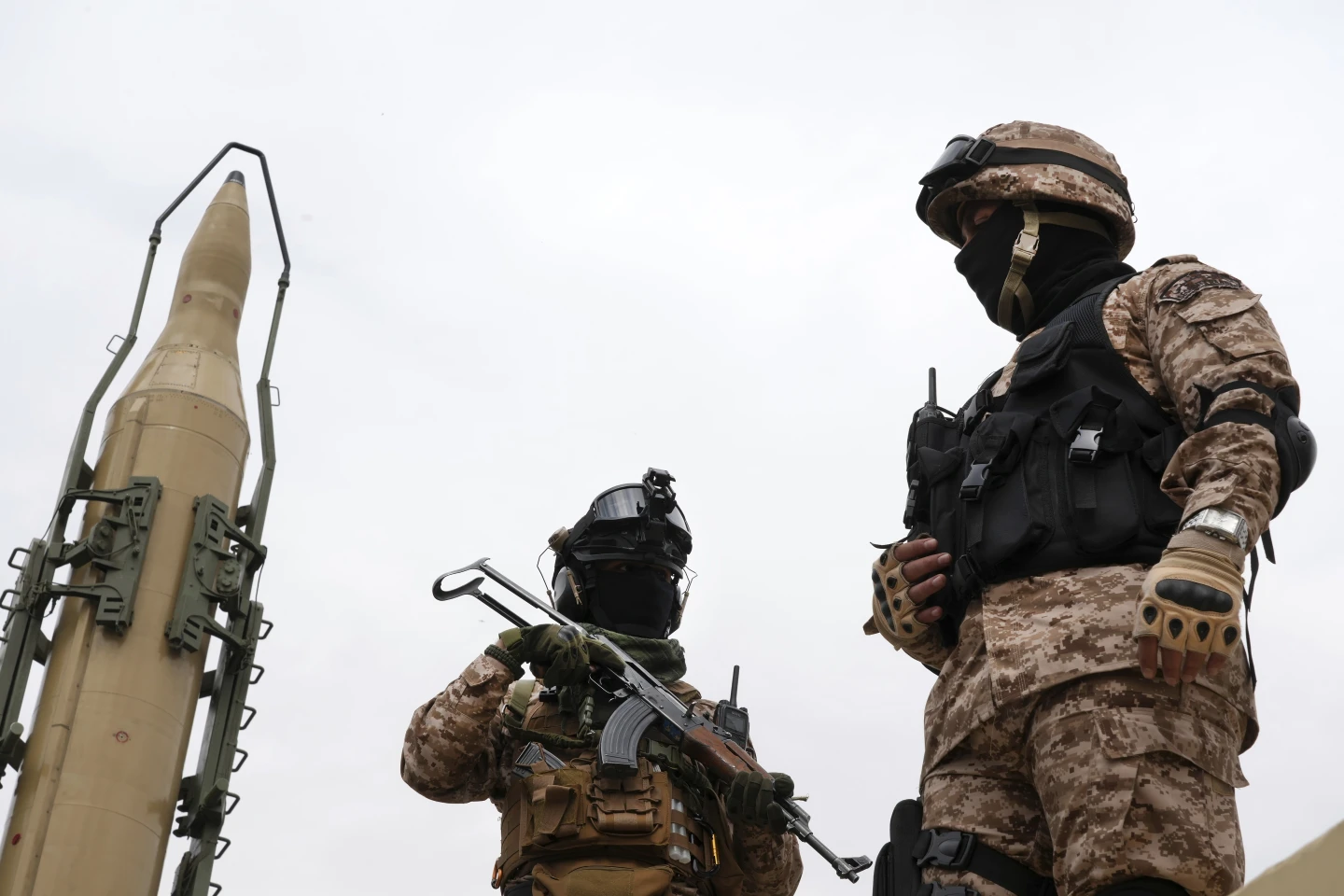
Iran’s Revolutionary Guards are recruiting children as young as 12. Under international law, enlisting those under 15 is a war crime.


Our Network
Our Channels

© 2026 Al Jazeera Media Network. All rights reserved.