

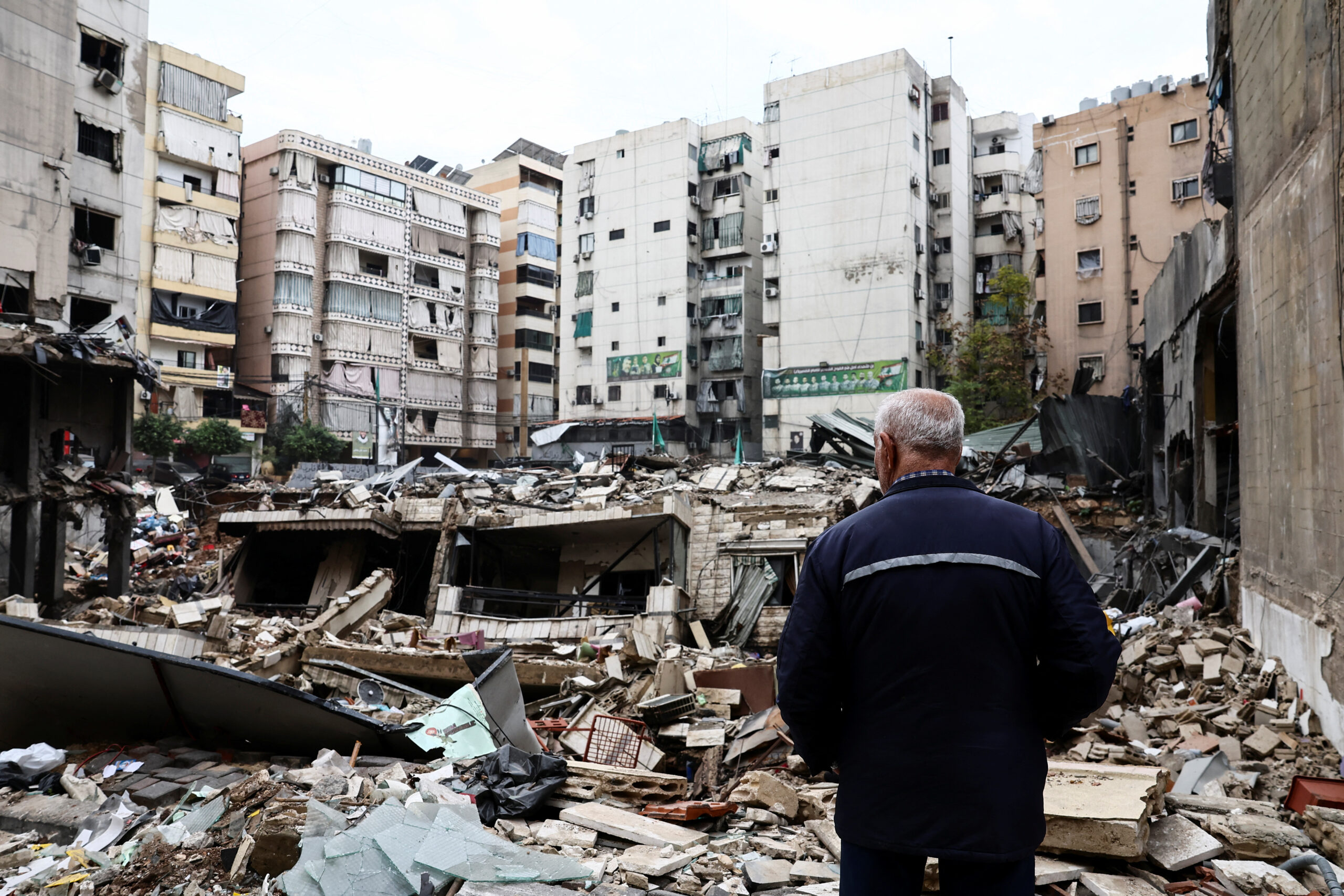
Lebanon at a Breaking Point

Archive/Al Jazeera
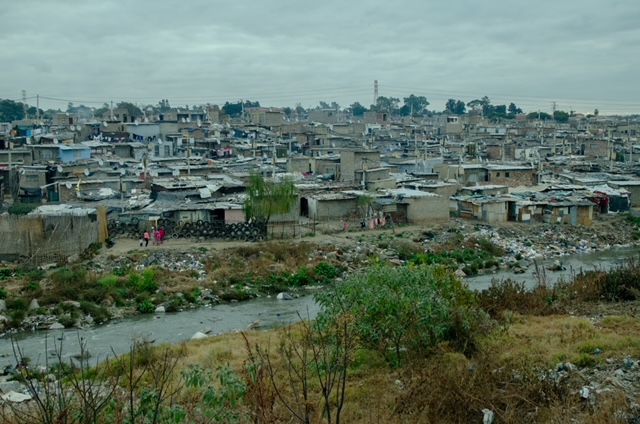
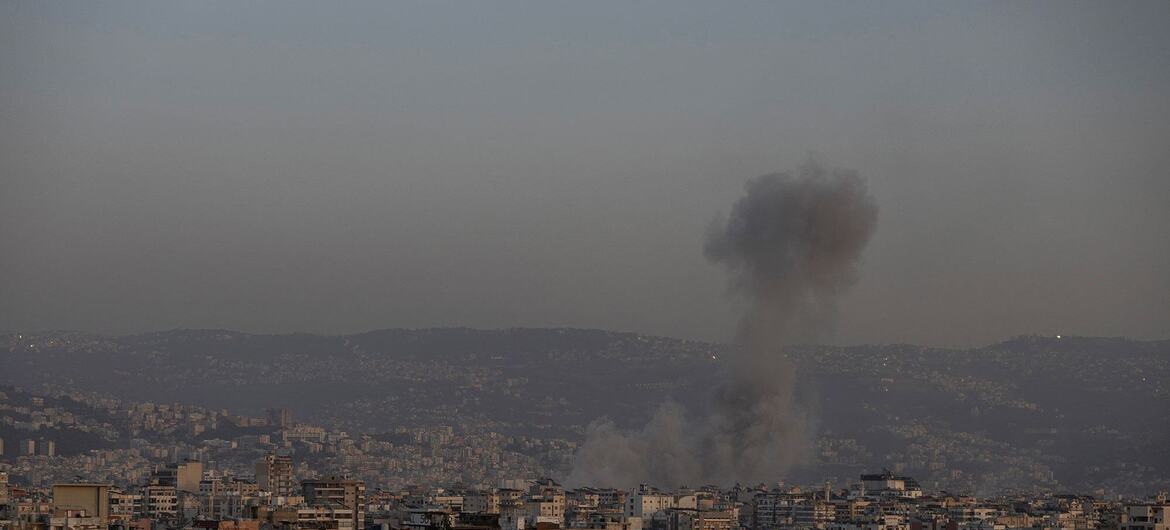
Lebanon has been here before, or somewhere uncomfortably close. The formula is familiar: a fractured government, an economy in ruins, displacement on a mass scale, and violence that refuses to respect the ceasefire lines drawn by exhausted mediators. What is new, according to the UN’s emergency relief coordinator, is the convergence of these pressures into something that may exceed the country’s already depleted capacity to absorb them.
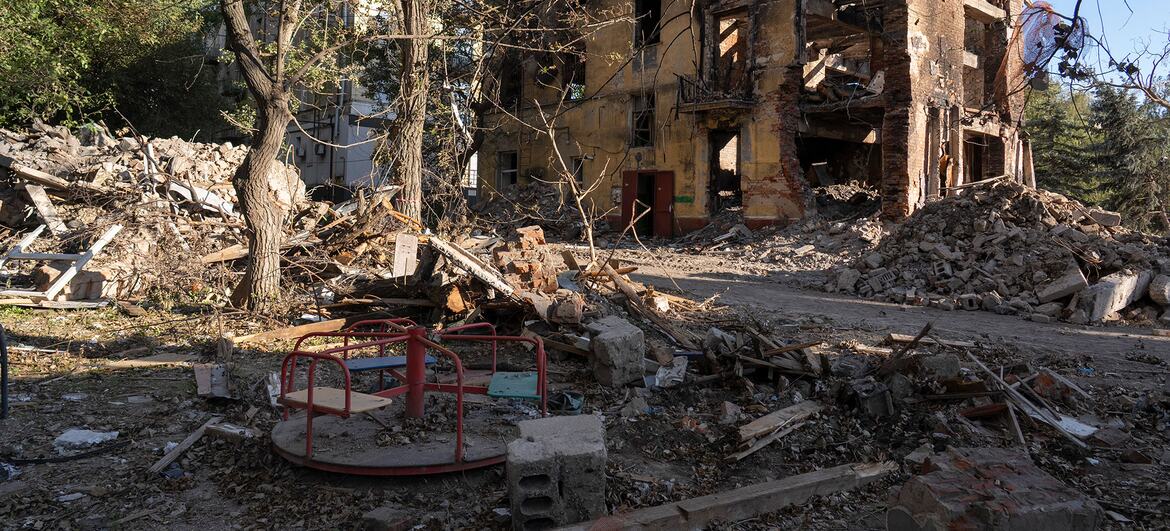
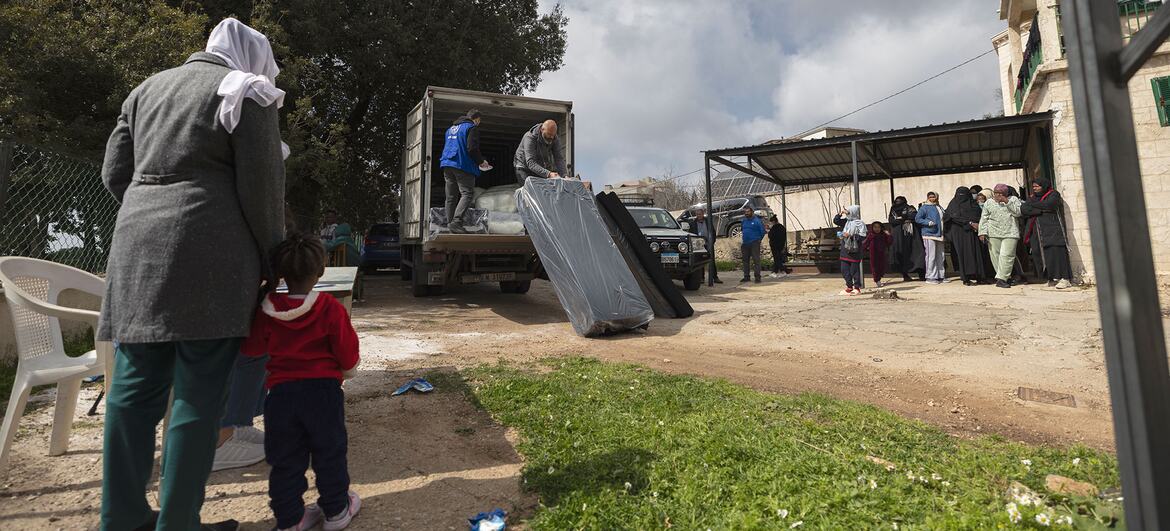
Addressing the Security Council on 31st March, the official described conditions that have pushed Lebanon to what diplomats are calling a “breaking point.” Mass displacement has strained infrastructure in regions that were already struggling. Escalating violence has made humanitarian access patchier. And the human suffering is not abstract: it is measured in families in tents, in hospitals without supplies, in children out of school.
Lebanon has long survived on the goodwill of its diaspora and the short attention of the international community. Neither is an inexhaustible resource.
The Security Council listened. It tends to. What Lebanon’s population requires, however, is not an audience but a sustained commitment from states with the means to provide one — and that has historically proved harder to secure than a seat at the table in New York.
Palestine/Israel/A Rope and a Double Standard
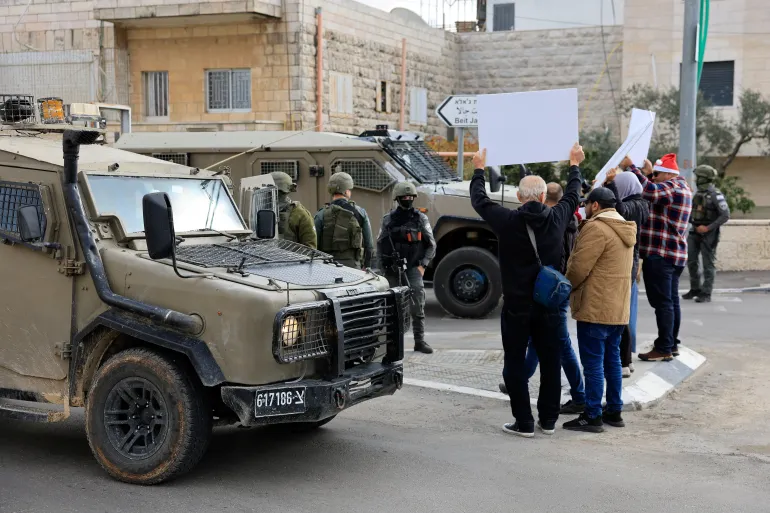
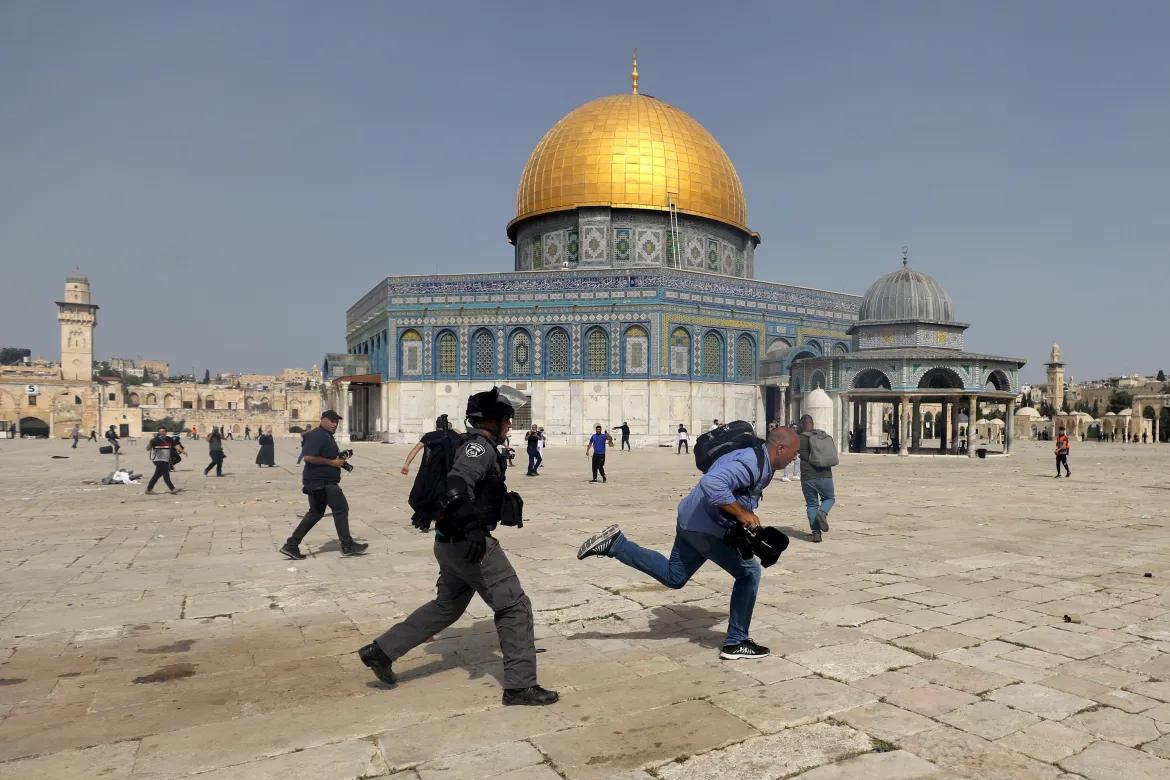
Israel’s new death-penalty law is designed to kill Palestinians faster, and with less scrutiny.
Blue Helmets in the Crossfire
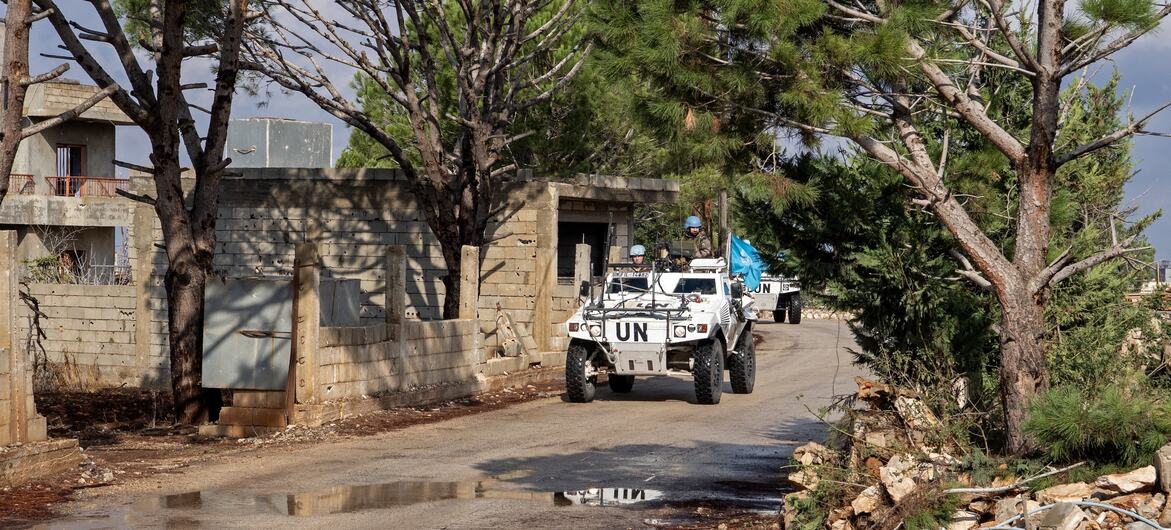
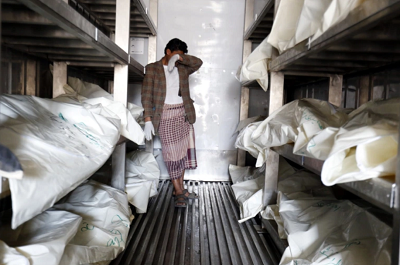
Secretary-General Guterres condemned the killing as a potential war crime and called for accountability, while the WHO reported that 51 Lebanese health workers had been killed since 2 March. The...



Our Network
Our Channels

© 2026 Al Jazeera Media Network. All rights reserved.