

Italy’s Troubled Memorandum with Libya
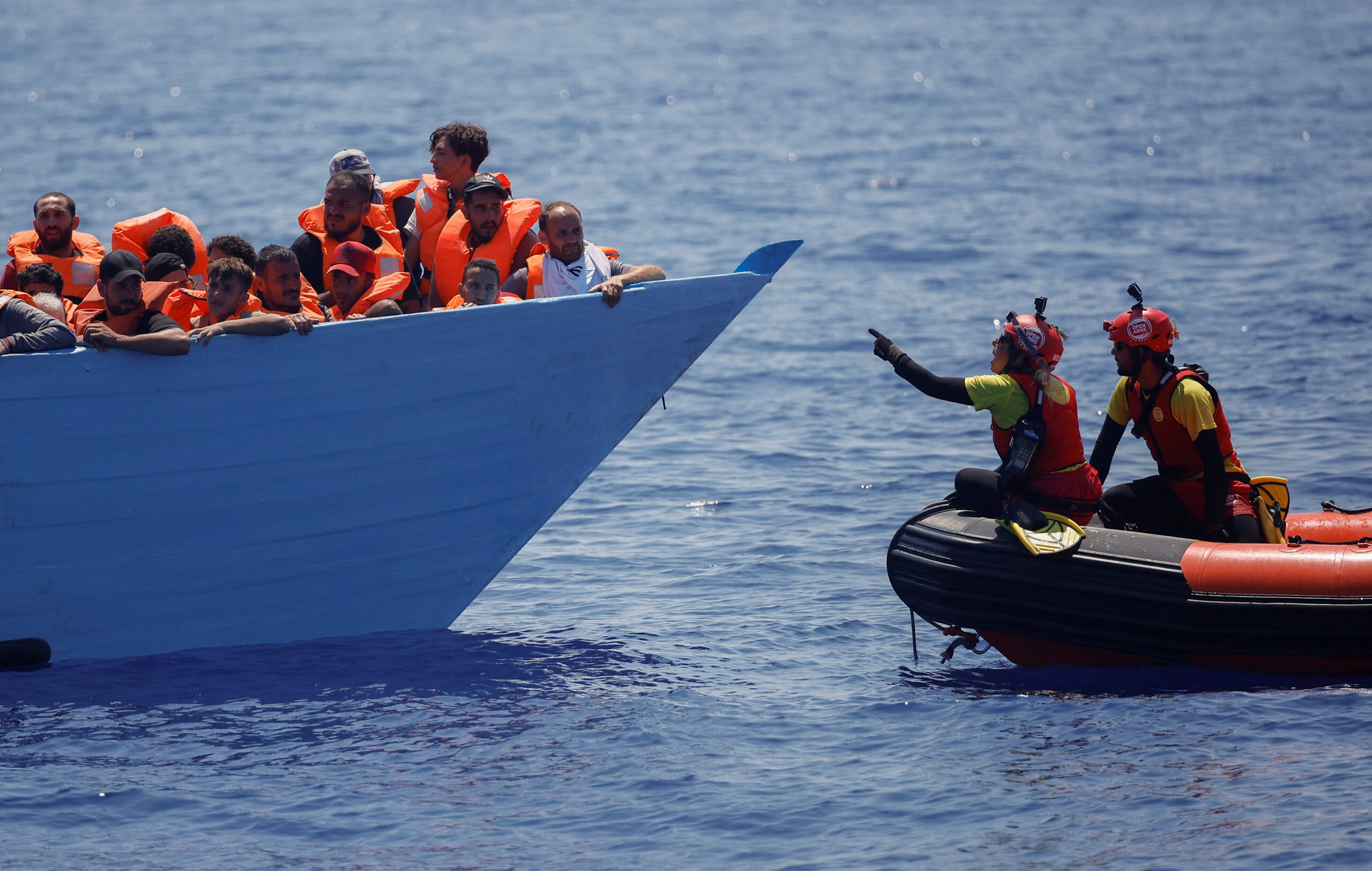
Archive/Al Jazeera.
As Italy’s migration accord with Libya approaches automatic renewal next month, calls are growing for Rome to end an arrangement that has turned the Mediterranean into a graveyard for Europe’s conscience.
Signed in 2017, the deal provides training, funding, and equipment to Libya’s coast guard in exchange for intercepting migrants bound for Italian shores.
Human-rights groups say the policy has merely outsourced abuse.
Over the past eight years, Libyan patrols have intercepted tens of thousands of people at sea and sent them back to detention centres notorious for torture, sexual violence, and forced labour. Armed groups linked to rival authorities in Tripoli and Benghazi profit from the system, while migrants languish in overcrowded cells with little food or medical care. The United Nations has documented evidence that some militias and state actors have engaged in sexual slavery and other crimes against humanity.
Italy’s assistance, ranging from patrol boats to surveillance training, has made the Libyan Coast Guard dependent on European largesse. Critics argue that Rome’s support, far from curbing migration, has bound it to a network of militias and traffickers who exploit human suffering for profit. Judith Sunderland of Human Rights Watch says the accord “has become a framework for violence and impunity” and should be revoked rather than renewed.
According to Human Rights Watch, the European Union bears part of the responsibility; through Frontex, its border agency, the EU conducts aerial surveillance that helps Libyan forces locate boats before they reach international waters. European funds have paid for vessels and communications gear, even after Libyan patrols opened fire on humanitarian rescue ships in August and September. Brussels insists that continued engagement is needed to “improve the situation,” but rights advocates say such logic only perpetuates abuse.
Civil-society groups, including Refugees in Libya, a collective of survivors of detention and trafficking, are campaigning for an end to Europe’s collaboration with Libyan authorities. They argue that the only humane alternative is to restore robust sea-rescue missions and expand legal routes for asylum.
For now, the memorandum is set to renew automatically on November 2nd.

A Damning Report on UK and France’s Handling of Child Asylum Seekers in the English Channel
The report is replete with heart-wrenching testimonies from children suffering serious chemical burns from dinghy fuel, enduring symptoms of trauma, and tragically, experiencing fatalities due...
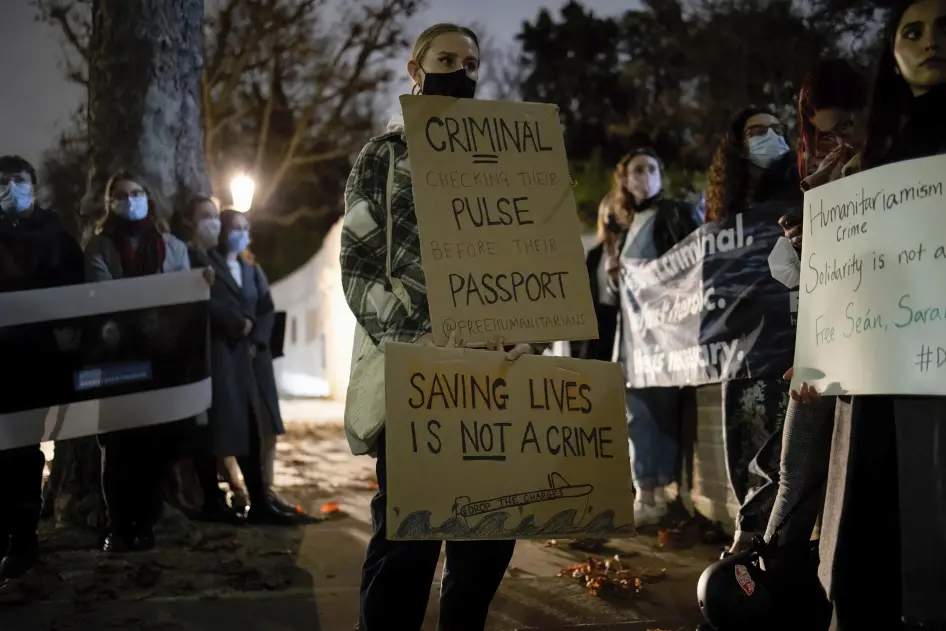
Alarming Developments for Human Rights Defenders in Greece
Human Rights Watch has echoed these concerns, stressing the critical nature of defending human rights and the imperative to safeguard those who stand up for the marginalized in society. The call...
Navigating the Surge in Migration
The call for a shift in policy is clear: providing shelter and thorough evaluations of each case must take precedence over aggressive detentions. Countries must prioritize safeguarding the lives...





Our Network
Our Channels

© 2026 Al Jazeera Media Network. All rights reserved.